 Skip to main content
The Margaret S. Glauber Faculty-Student Research Fellows and Scholarship Fund
The Glauber Fellowship is intended to support faculty-student research collaboration in the humanities and social sciences, and enhance the quality of our students’ undergraduate education by giving them the opportunity to engage in serious research under the supervision of faculty mentors. The program is made possible through the generosity of the late Margaret "Maggie" Glauber '51.
The Glauber Faculty Fellow is a W&M faculty member appointed for two years and receives $5,000 per year, which may be taken as either summer salary or research funds. This fellowship may be held in combination with another award or professorship. Research stipends and need-based financial aid are also provided to two undergraduate student fellows as detailed in the provisions below.
Eligibility: Tenured and tenure-eligible faculty in the humanities and social sciences. Faculty should have an excellent record as teachers and scholars, and a commitment to including undergraduates in their research. Because the fellowship includes student stipends and supervision of student fellows, eligible faculty must have a presence on campus during the 2-year term of academic years 2026-27 and 2027-28 and be able to mentor research students during the summers of 2026 and 2027.
Fellowship provisions include:
- The faculty fellow will receive $5,000 per year, which may be taken as either summer salary or research funds. This fellowship may be held in combination with another award or professorship.
- Stipends of $5,000 for each of two undergraduate student fellows, in each of the two summers of the faculty fellowship. Student fellows will be required to dedicate 10 weeks to full-time summer research. The faculty fellow will work with the Charles Center to coordinate the student fellow program. Student fellows may also be eligible for up to $3,000 in financial aid in each of the four semesters of the project, academic years 2026-27 and 2027-28.
Faculty Application: To apply, please submit a CV and 2-page letter of application as one combined PDF document. The application must include:
- a description of the research project that will be funded by the Fellowship.
- a summary of the applicant’s commitment to incorporating students in their research.
-
a summary of the specific role that student fellows will have in the proposed research project. These points may be addressed separately or in a single statement. It is expected that students will be brought into the research as true collaborators and not just as assistants to perform basic tasks. Proposals with an interdisciplinary approach to research are encouraged.
Applications are now closed.
Faculty Fellows for 2026-28
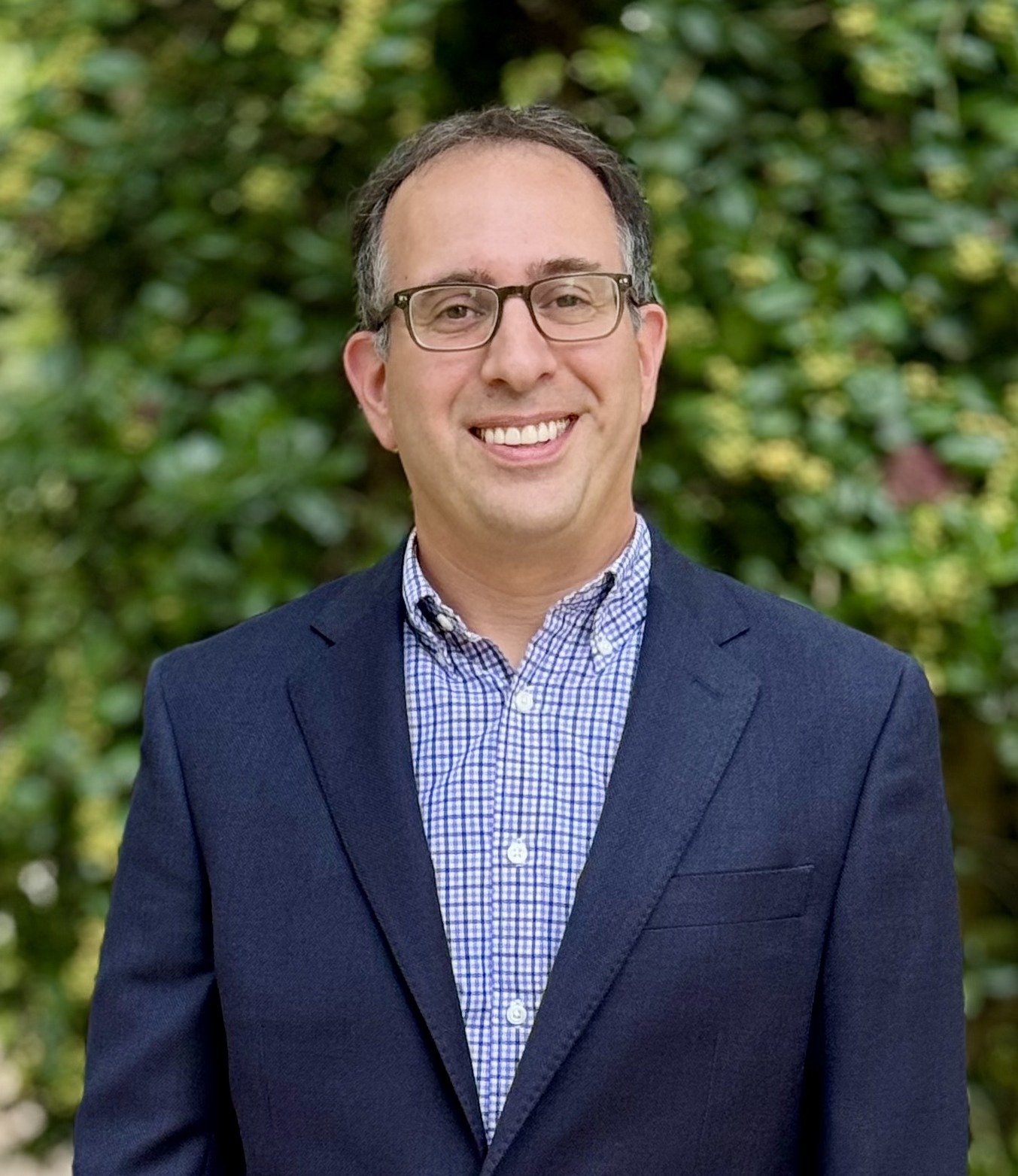 Jeffrey M. Kaplow is an Associate Professor in the Department of Government at William & Mary and Director of NukeLab at the Global Research Institute. His research and teaching focus on the causes and consequences of nuclear proliferation, nuclear deterrence and international conflict, and the implications of emerging technologies for international security and arms control. He is the author of Signing Away the Bomb: The Surprising Success of the Nuclear Nonproliferation Regime (Cambridge University Press, 2022) and has published in leading international relations journals including International Studies Quarterly, the Journal of Conflict Resolution, and the Journal of Global Security Studies. Kaplow’s current work examines how interstate nuclear agreements and new technologies—from artificial intelligence to virtual reality—are reshaping long-standing nonproliferation and deterrence practices. His research has been supported by organizations such as the Defense Threat Reduction Agency, the Stanton Foundation, the Smith Richardson Foundation, and the Carnegie Corporation of New York. He regularly teaches courses on international security, the politics of nuclear weapons, and prediction and forecasting, and he co-directs the Troy A. Cullen Emerging Technology Fellows Program for William & Mary undergraduates. Kaplow also co-hosts Cheap Talk, a podcast on international relations. He holds a Ph.D. in political science from the University of California, San Diego, an M.P.P. in international security policy from Harvard’s Kennedy School, and a B.A. in political science from Yale University.
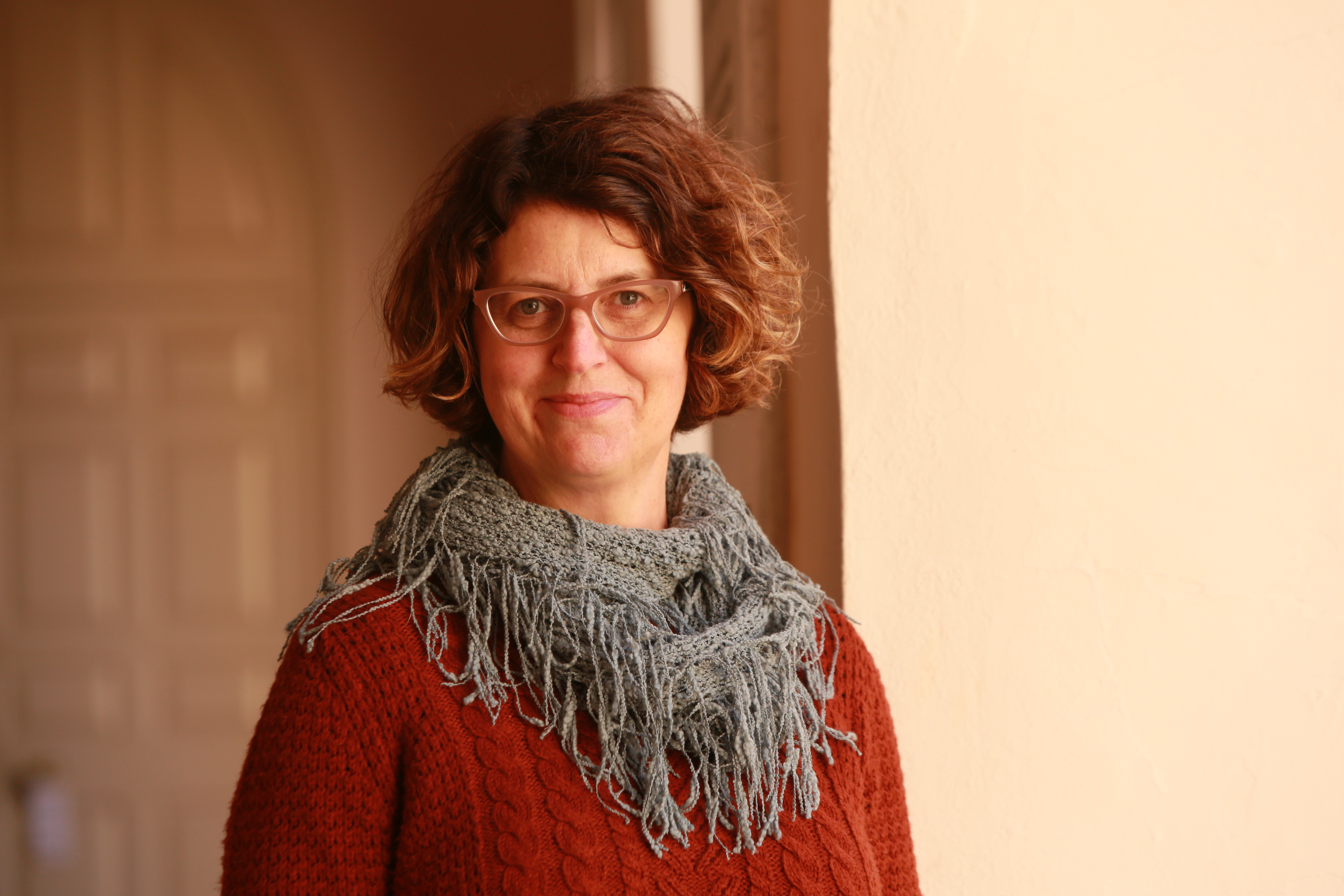 Jennifer Putzi is a Professor of English and Gender, Sexuality, & Women’s Studies at William & Mary. Her research and teaching are broadly focused on nineteenth-century American women’s writing. She is the author or editor of seven books, including most recently The Reconstruction Diary of Frances Anne Rollin: A Critical Edition (2025) and Fair Copy: Gender, Relational Poetics, and Antebellum American Women’s Poetry (2021). Her current research is on nineteenth-century African American women’s diaries and the relationship between material format and content in Black women’s everyday writing. Professor Putzi’s book-in-progress, titled Making Space: Geography and Material Form in African American Women’s Diaries, considers the way nineteenth-century Black women diarists use their diaries to negotiate, claim, and map geographical space as gardeners, travelers, city dwellers, and invalids. Along with Professor Kirsten Lee of Auburn University, Putzi is also Project Co-Director of the Black Women’s Diaries Project, a digital humanities project that scans, transcribes, annotates, and encodes manuscript diaries written by African American women between 1854 and 1905. The BWDP site will launch in the fall of 2026, with the 1902 diary of Norfolk resident Florence Barber.
Student Fellows for 2026-2028
To be added summer 2026!