Close menu William & Mary

History

From centuries-old traditions to campus icons that have stood the test of time, William & Mary is a place where the past, present and future come together to create something enduring, meaningful and uniquely our own.

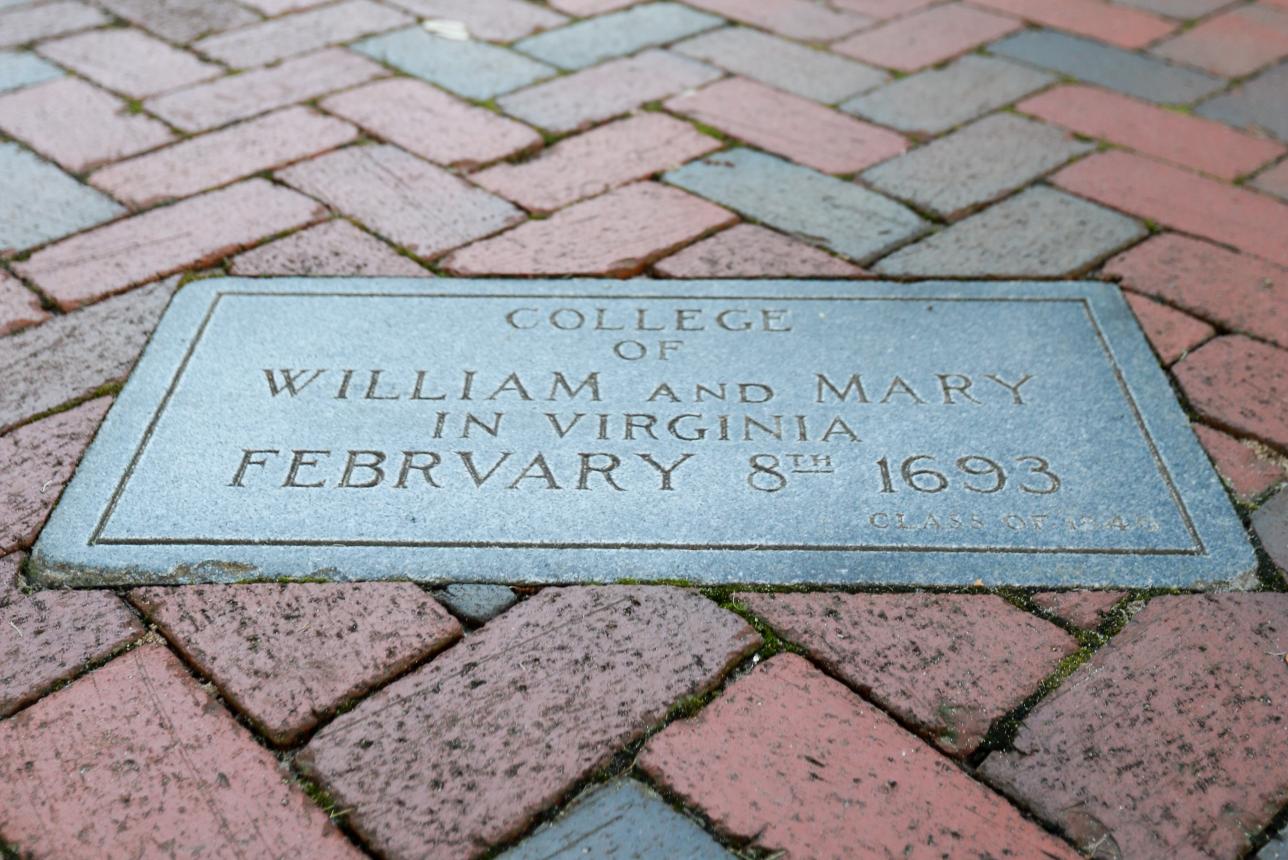
As the second-oldest college in the nation, our story began with a royal charter from King William III and Queen Mary II in 1693, establishing a “perpetual College” in Virginia dedicated to divinity, philosophy, languages and the arts and sciences. But our vision reaches even further back, with plans for the university taking shape as early as 1618.
Alma Mater of the Nation

William & Mary is known as the Alma Mater of the Nation due to its close ties to America' founding fathers.

${cardData.cardAlt}

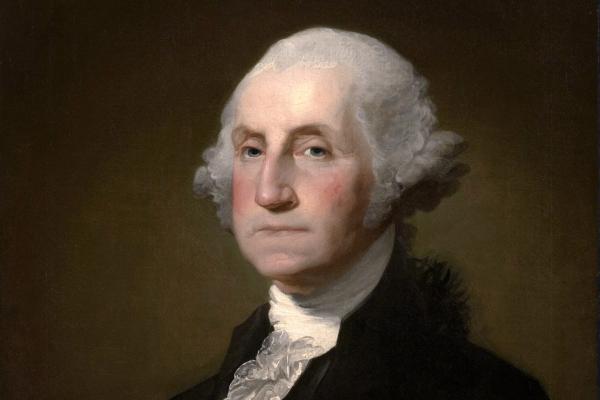
George Washington

Received his surveyor’s license and served as W&M’s first American chancellor

${cardData.cardAlt}

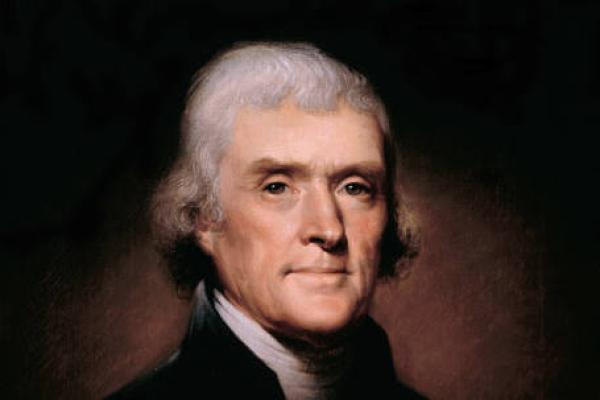
Thomas Jefferson

Completed his undergraduate studies at W&M

${cardData.cardAlt}

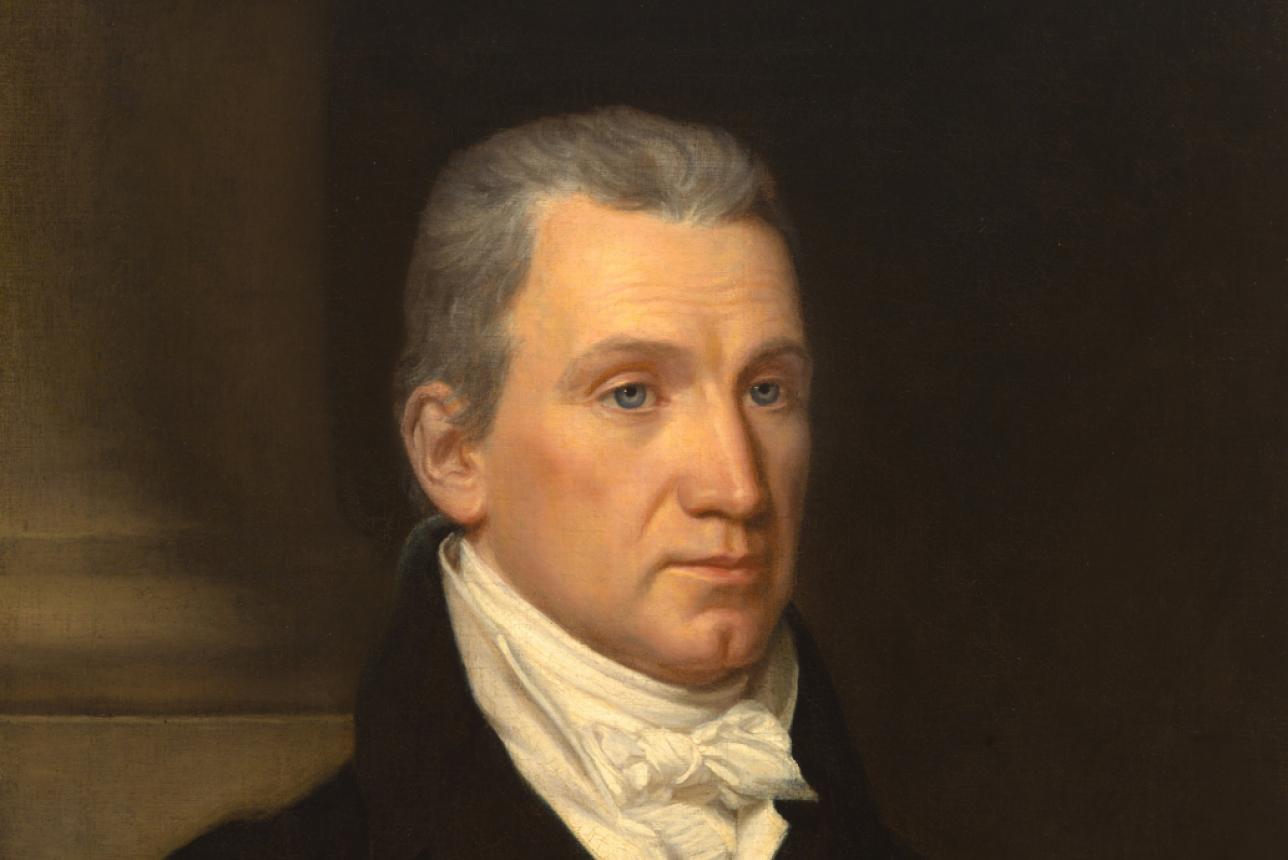
James Monroe

Completed his undergraduate studies at W&M

${cardData.cardAlt}

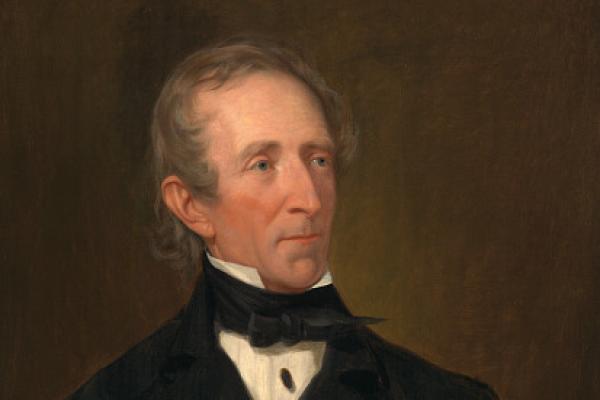
John Tyler

Completed his undergraduate studies at W&M

W&M Firsts

Not many universities can say they’ve canceled classes because the British invaded. At over 330 years old, William & Mary has a robust legacy of firsts.

  • 1694
    First U.S. institution with a royal charter and only school to receive a coat of arms from the College of Heralds
  • 1729
    First to boast a full faculty, consisting of a president, six professors, usher and writing master
  • 1771
    First to confer metallic prizes, which were gold medals donated by Lord Botetourt, governor of Virginia from 1768-1770
  • 1776
    First Greek-letter society, Phi Beta Kappa
  • 1779
    First elective system of study and honor code
  • 1779
    First law school in America, which made W&M the first college in the country to become a university
  • 1 st
    To offer programs in modern languages (1779), political economy (1784) and modern history

A Brief Campus History

More than 200 years after its founding as a private institution, William & Mary became a public, state-supported school in 1906 and went coed in 1918.

In 1928, John D. Rockefeller Jr. chose the Wren Building as the first to be returned to its 18th-century appearance as part of Colonial Williamsburg’s restoration.

Now in its fourth century, William & Mary’s long history starts on our Historic Campus.

Thomas Jefferson at W&M

One of four U.S. presidents to be educated at William & Mary, Thomas Jefferson graduated in 1762. He helped found William & Law School, the nation’s oldest law school, and later received an honorary degree from the university.

Learn more about Jefferson’s ties to William & Mary, his history as one of the nation’s founders, his personal life including connections to slavery and his legacies as a diplomat and politician from the Special Collections Research Center Knowledgebase at W&M’s Swem Library.