 Skip to main content

Wildflower Refuge
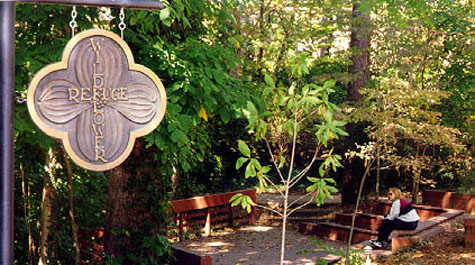
Lettie Pate Evans Wildlife Refuge
At the entrance to the Wildflower Refuge is an amphitheater with seating for presentations or for observing and appreciating the natural environs.
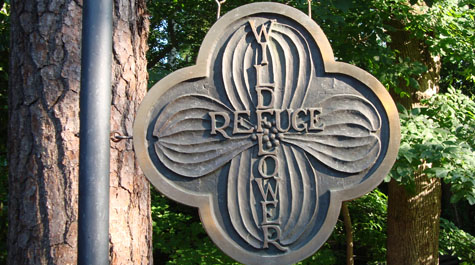
About the sign
This bronze version replaces an earlier version carved in wood, which is now housed in the Millington Greenhouse.
A Natural Sanctuary
Nestled in a moist, shady habitat, the refuge serves as a rich sanctuary for native ferns, common wildflowers, and woody plants. In 1976, the Board of Visitors passed a resolution mandating that the refuge be maintained in its natural state to ensure it remains a peaceful haven for the campus community.
History and Stewardship
The Refuge and its amphitheater were established in the late 1970s through a collaborative effort:
- Benefactors: Established with support from the Lettie Pate Evans Foundation.
- Key Figures: Developed through the efforts of Dr. Martin Mathes, President Thomas Graves, and dedicated volunteers like the late Caroline Will.
- Conservation: The site has historically served as a rescue location for uncommon plant species relocated from campus construction sites.
Botanical Sentinels
As you enter the refuge, look for these native "sentinels" and seasonal highlights:
- American Ash (Fraxinus americana): Stately trees guarding the entrance.
- Beauty Berries (Callicarpa americana): Known for their striking purple fruit.
- Sweetspire (Itea virginica): A native shrub with fragrant white blooms.
- American Fringe Tree (Chionanthus virginicus): A young specimen with unique, fringe-like white flowers.
- Golden Ragwort: Look for the vibrant yellow blooms (featured in the secondary image).
Walking Instructions
Follow the brick-lined paths to the end of the refuge. When the path forks:
- Take the steps on the left back up to the sidewalk.
- Continue west along Landrum Drive to reach the next crosswalk.