Skip to main content

Tyler Fellowship takes Mishra ’26 full circle to Nepal
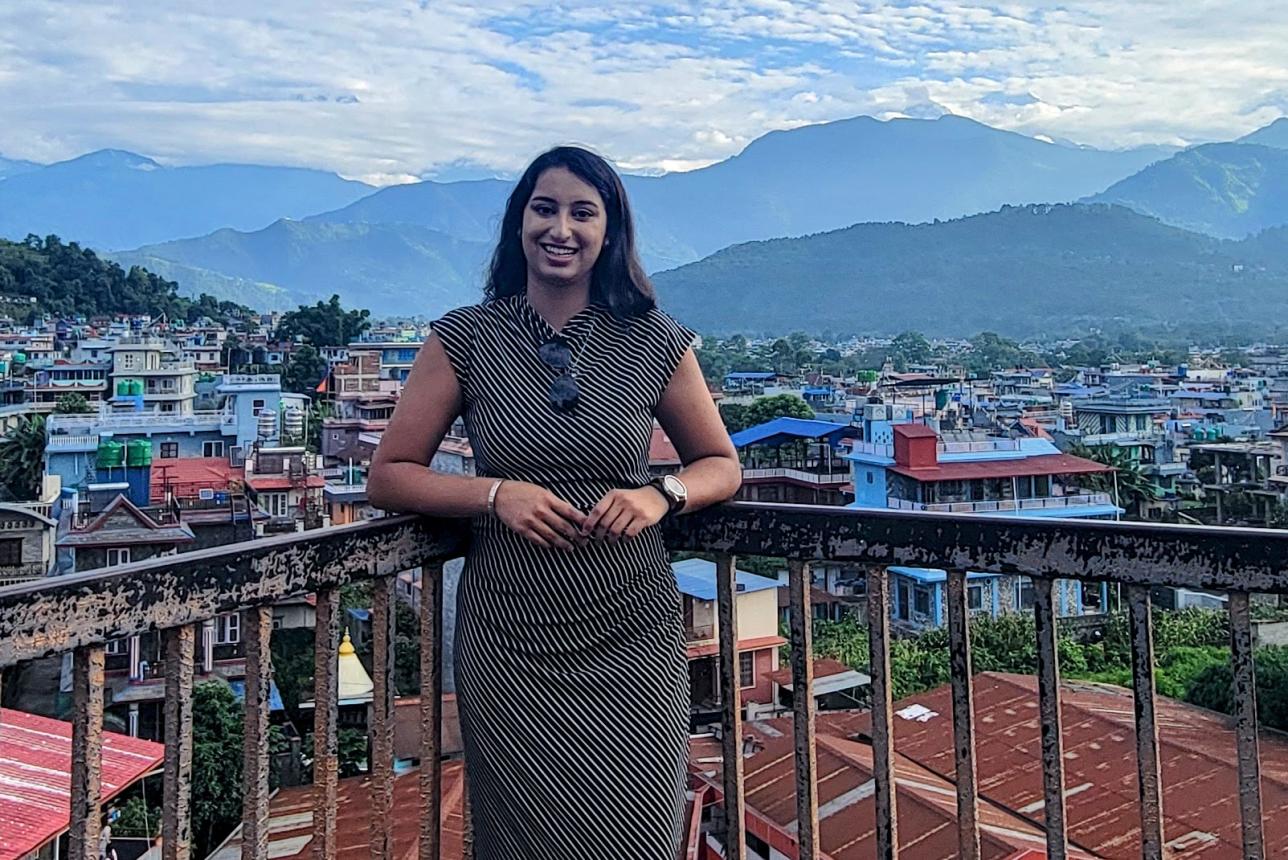 Curiosity often leads to the most unfamiliar places, but for Aditi Mishra ’26, research into maternal health last summer took her back to the country of her birth, Nepal.
Mishra, a sociology major with a concentration in health, medicine, and wellbeing, is one of five inaugural recipients of a Tyler Fellowship, a new research partnership between William & Mary’s Charles Center and Florida State University’s Tyler Center for Global Studies.
Tyler Fellows receive either a $4,000 award (toward a Charles Center Summer Research Grant) or a $5,000 award (in the form of a Charles Center Honors Fellowship) to support their summer research, across fields, cultures, and continents.
Charles Center Director Elizabeth Harbron sees the innovative fellowship as meeting a critical need for W&M undergraduates pursuing research abroad.
“More and more, we’re seeing students seek opportunities overseas to expand their horizons and take their research to the next level,” Harbron explained. “This amazing support from the Tyler Center helps fill a gap in funding for these experiences that seems to widen every year.”
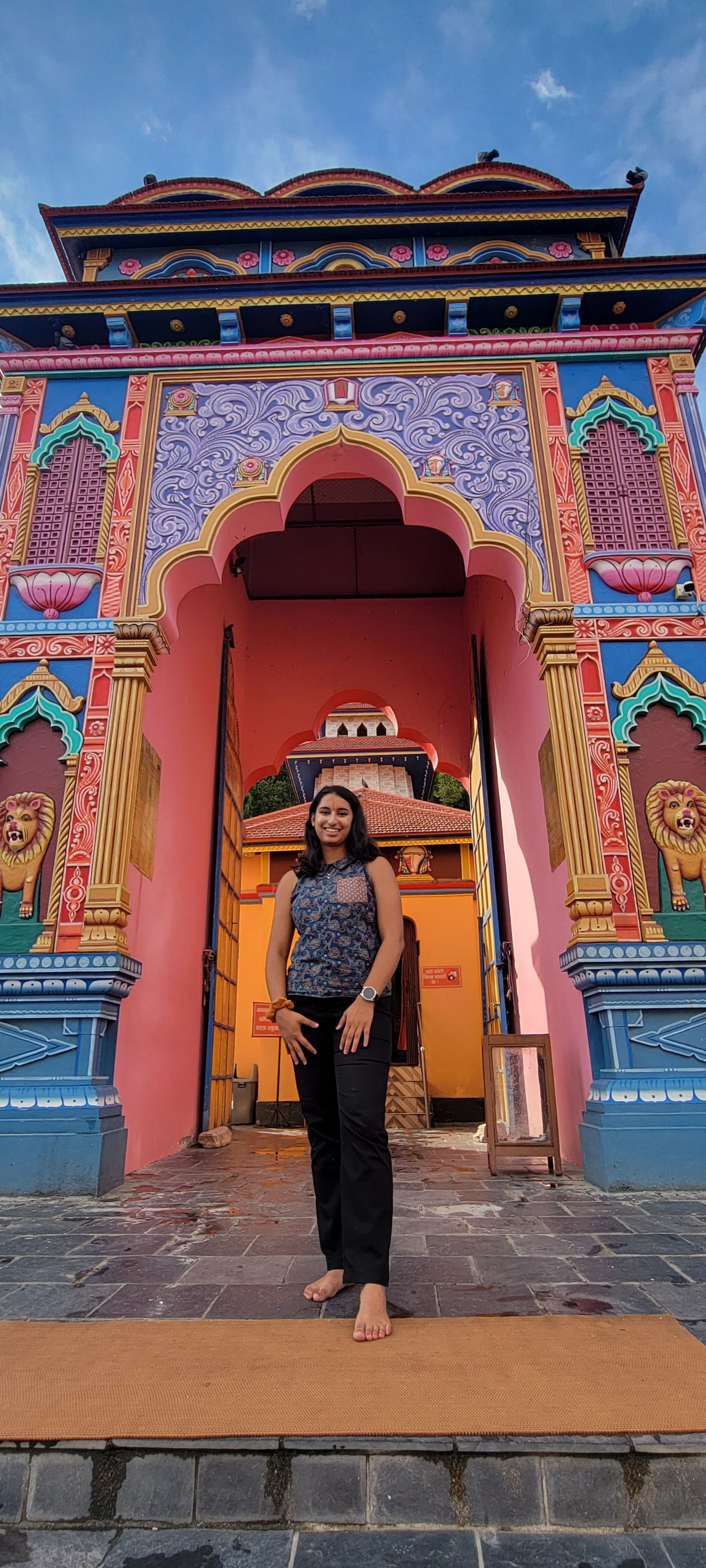 Without the Tyler program, Mishra said, “I wouldn’t have been able to go. The airfare, getting access to these locations, and research costs in general, especially with hiring a translator for certain regions. Just being able to pay your way through your research is very important.”
Mishra used the fellowship to conduct fieldwork in and around Kathmandu, interviewing community health workers and visiting a range of rural health camps that remain inaccessible to most international researchers.
“These places are so geographically inaccessible that there isn’t the possibility of a full-time clinic or full-time hospital to be at this location,” she said. “So, every year, or twice a year, or every quarter – or even bimonthly – there will be these camps that are often sponsored by different NGOs” (or nonprofit organizations).
In shadowing health workers in the field, Mishra saw the complex dynamics that inform how people think about health and who they trust with theirs.
“I learned a lot about community in Nepal,” she said. “How women’s nutritional habits are, how their dynamics with family members change the types of healthcare they receive and who they go to for advice for healthcare needs – all really interesting.”
Mishra said she benefited greatly from the Tyler Fellowship program’s requirement to chronicle her research and travels through blog posts, which connected her to other students, scholars, and nonspecialists interested in the topic.
“I really liked being able to share what I was doing while I was doing it, because it helped me communicate my research in a way that’s not too academic,” Mishra said.
Mishra was able to take readers along as she worked in clinics and analyzed different hospital and healthcare systems in the capital city of Kathmandu, where “a lot of the healthcare infrastructure is very well laid out,” she said.
Mishra’s appetite for immersive research only grew as she dove into Nepalese culture and deepened her knowledge and appreciation of regional cuisine.
“Up in the mountains, I had buffalo dumplings, which I never expected to like, being someone who had never eaten buffalo before, but it was actually so delicious,” she admitted.
Mishra learned how to be adaptable in other ways, for example, adjusting to the early morning wake-up times for fieldwork and reconnecting with Nepalese customs she had forgotten since her youth.
Mishra now applies the lessons she learned in Nepal to the ongoing work of her honors thesis, which she looks forward to defending in the spring.
She points to the mentorship of Associate Professor of Sociology Reya Farber and Associate Professor of Sociology Elyas Bakhtiari as invaluable sources of inspiration and wisdom in pursing her research passions, wherever they may lead.
Her hopes for the future reflect the vastness of her imagination, as she weighs pursuing a master’s degree in public health or attending medical school, where Mishra hopes to bring her sociological perspective to bear on medical questions.
Wielding insights into the holistic elements of healthcare that she gained over the summer, Mishra looks to the future, while never losing sight of where she began.
Reflecting on her fieldwork in Nepal, and the work she aims to dedicate her life to, Mishra shared a guiding tenet in her approach to healthcare: “You can’t just think about the cells, you need to think about the people you’re treating.”
Interested in learning more about Tyler Fellowships can support your research abroad? Click here. Applications close Feb. 16, 2026.