Skip to main content
Faculty mentorship connects internships, liberal arts
 Learning becomes transformative when real-world experiences meet the guidance of passionate faculty mentors.
In partnership with the Office of Career Development & Professional Engagement (OCDPE), the Charles Center piloted a one-credit, asynchronous internship reflection course this summer connecting undergraduates with inspiring faculty dedicated to enriching student learning.
Tuition and fees were covered by a grant from the State Council on Higher Education in Virginia, allowing students to complete the course free of charge. The course was developed as part of a university-wide effort to promote undergraduate applied learning experiences, including internships, research, study abroad, and civic engagement.
Charles Center Director Elizabeth Harbron co-leads the “Applied learning for all” initiative. According to Harbron, the project is rooted in Vision 2026 goals and aims to enhance the impact of applied learning experiences on student development and success.
“It’s elevating what we already do so well at William & Mary by ensuring that we’re not only getting students out there to have these amazing experiences, but we are also helping them unpack and understand what that experience means for them and how it impacts their career readiness,” she said.
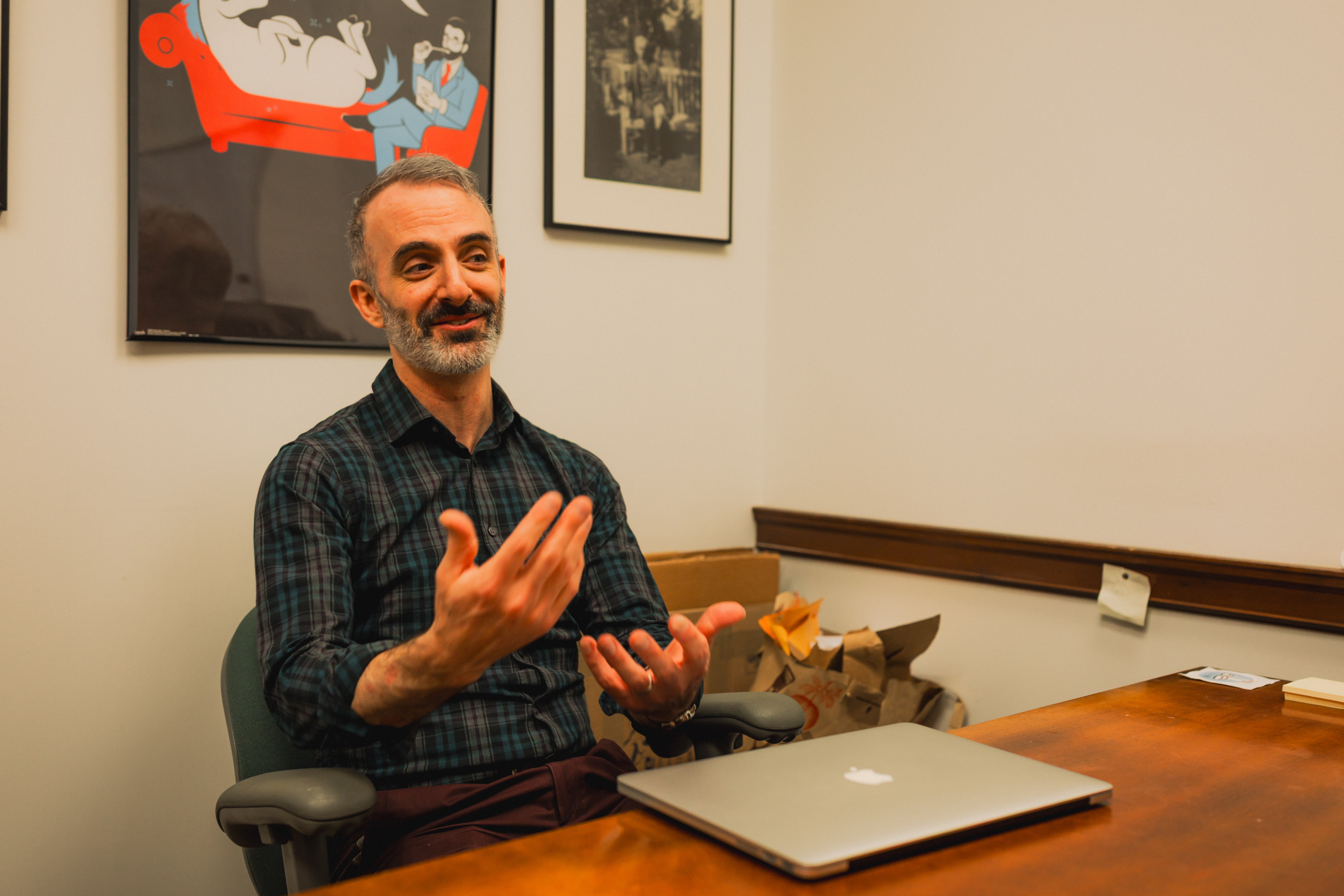 Assistant Teaching Professor of Philosophy Jonah Goldwater served as a faculty mentor this summer and provided support to students across a wide range of summer internship positions. Two years ago, Goldwater collaborated with a Charles Center faculty team to develop a syllabus for the course’s initial synchronous format. This material served as the basis for the more flexible, asynchronous version of the course launched this year.
“One reason why I really like the applied learning framework is because it is a way to show that there are capacities, skills, and characteristics developed while studying liberal arts that are very relevant to the job market,” said Goldwater. “I really want to help facilitate students’ transition from academic study into their broader lives.”
Goldwater emphasized the importance of eliminating barriers between academic study and its practical implications.
“I think there is an artificial distinction people make between school and ‘the real world,’ so it is important to create a context that allows students to make connections and understand the application of their learning,” he said.
Assistant Teaching Professor of Hispanic Studies Catherine Brix led a slightly different type of experience, as all of her students were part of a study abroad program through the Reves Center for International Studies—the Human Rights Summer Intern Fellowship in La Plata, Argentina.
The six students in Brix’s cohort interned at the Comisión por la Memoria, a state institution committed to preserving the memory of state terrorism and promoting the defense of human rights. Students interned within a variety of the Comisión’s initiatives, including the Comisión Contra la Tortura (Comission Against Torture), an art museum, and in archival research.
“Even in small ways, our students are making huge differences,” said Brix, “not only in promoting human rights or issues of social justice, but also in contributing to the betterment of the people the Comisión serves. My students had the additional challenge of doing their internships in another country, another language, and another culture, but they all succeeded remarkably well.”
The reflection course helped to bridge their impactful experience abroad with W&M’s liberal arts values.
“To live in a place you’ve never experienced before and do that with grace, humility, and appreciation: these are all the skills we are trying to instill in our students as part of a liberal arts education. This really allows for praxis, or to put learning into action in a meaningful, real-world way.”
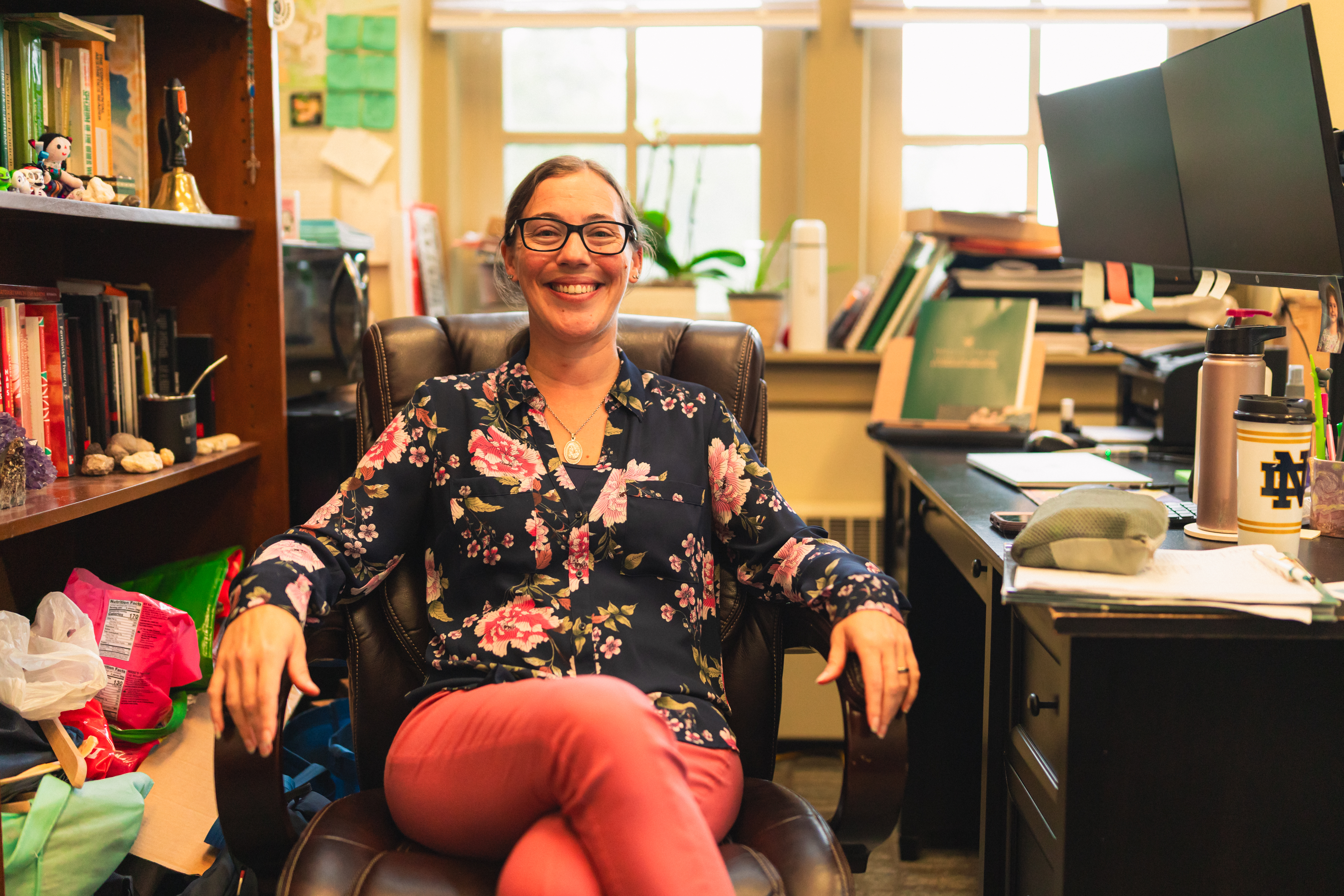
In Professor of Theatre and Africana Studies Omiyemi (Artisia) Green’s cohort, students held a variety of internships, from the U.S. House of Representatives to the Thai Embassy, the Center for Chinese Studies, the U.S. Senate, Legal Aid, and a local attorney’s office.
“This was unlike teaching and more of an advisory role – although I suppose one could say advising is a form of teaching,” said Green. “I was drawn by the opportunity to help students bridge their academic learning with their applied experiences. Students gained perspective, moving from simply ‘doing the work’ of an internship to articulating what they learned, the skills they developed, and how these connect to their academic paths.”
Overall, Green says that the value provided by the opportunity for faculty mentorship is indispensable to the university’s greater objectives.
“Faculty-led reflection provides a scaffold for learning, making it intentional, slightly more rigorous, and connected to W&M’s mission to ‘teach, learn, and make new knowledge,’ as our president often says. It strengthens both student outcomes and the university’s commitment to preparing engaged, thoughtful graduates.”
For more information on funding for undergraduate applied learning offered through OCDPE, click here.
Applications for Charles Center summer internships in journalism, museums, local government, and the community nonprofit sectors open November 1 and close December 1.