 Skip to main content

Geology majors rock their research in diverse landscapes
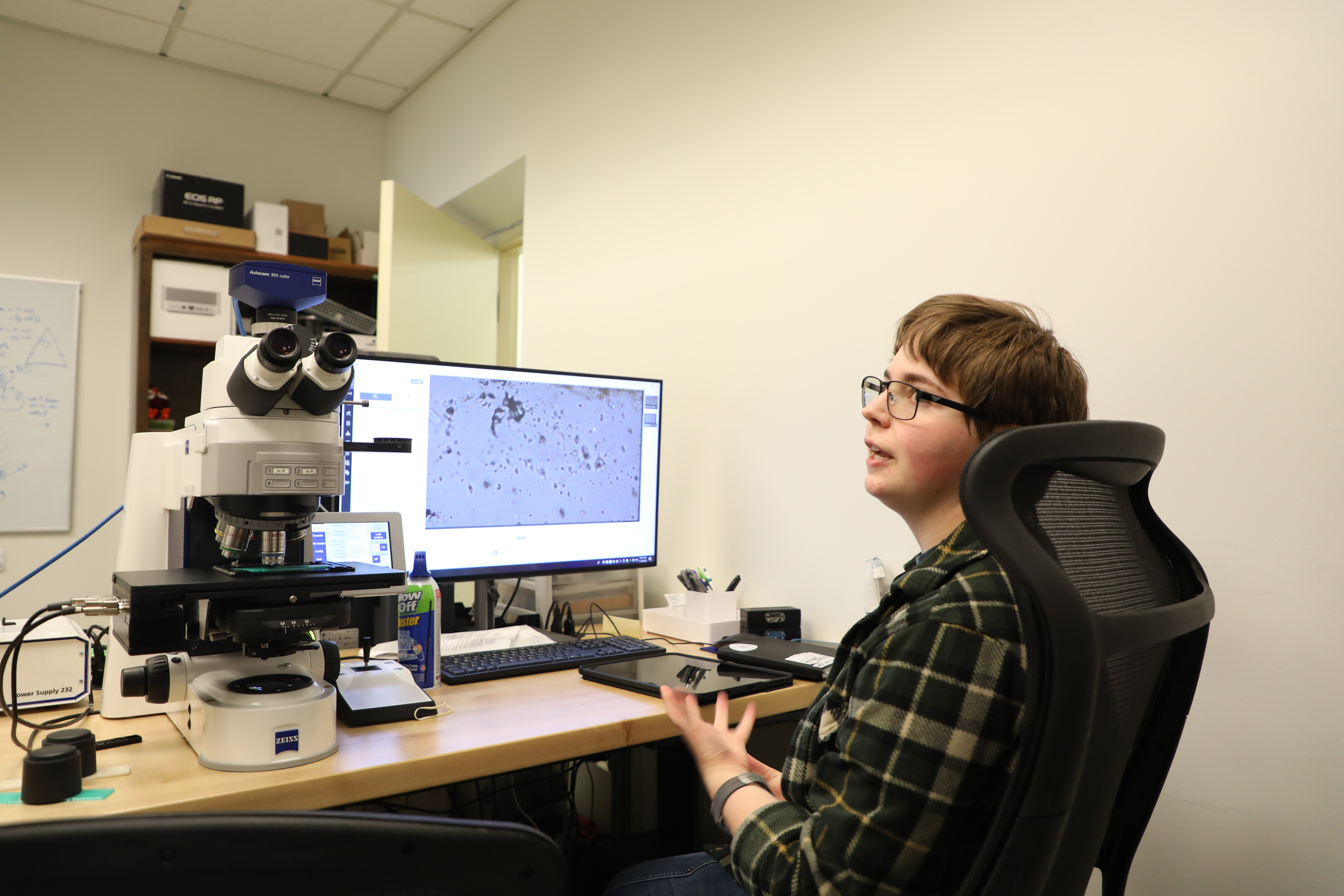 Bridging gaps between human and natural histories, William & Mary geology majors are proving that undergraduate research “rocks” — literally.
Seniors in the geology department are conducting theses on geologic phenomena spanning diverse settings and landscapes. Supported by Charles Center summer research grants, their studies have taken them from American historical landmarks to the barren Alaskan tundra and beyond.
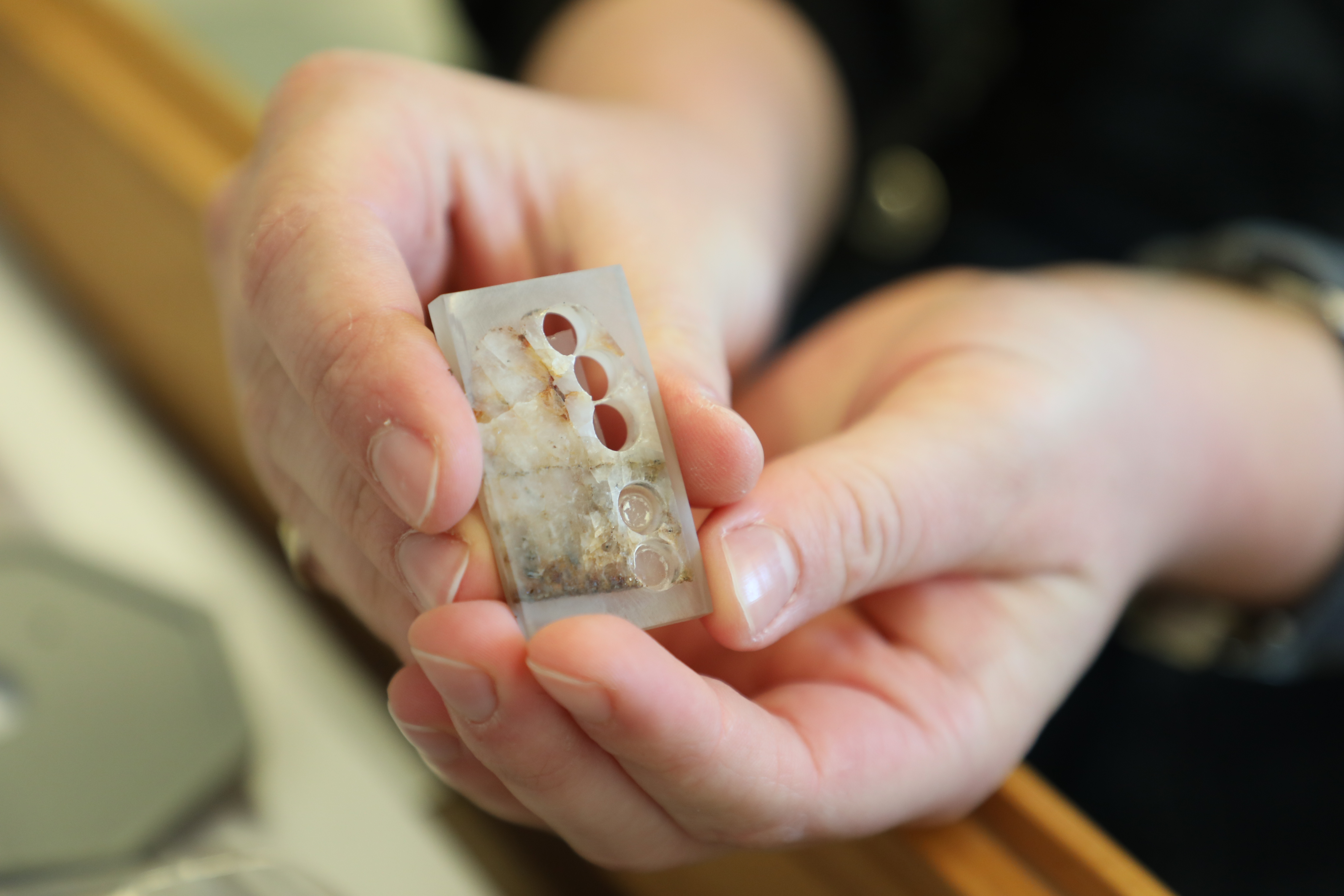
Geology and English double major Marina Ashurkoff ’26, for instance, studies the presence of quartz crystals on burial grounds of the enslaved at James Madison’s Montpelier.
The quartz crystals were first discovered during a collaborative excavation between Montpelier’s archaeology department and the Montpelier Descendants Committee, an organization composed of descendants of individuals who were enslaved on the property.
In addition to finding compelling artifacts at the burial grounds, the team discovered clusters of these crystals, termed “ecofacts,” because they are naturally occurring in the soil.
Ashurkoff’s thesis analyzes the geologic formation and sourcing of these ecofacts under the direction of dual advisors Professor of Geology Chuck Bailey and Assistant Professor of Geology Clem (Clémentine) Hamelin.
 “This research is important to understanding how geology and human landscapes intersect,” Ashurkoff said. “This was a great opportunity to connect geologic history and human history in a meaningful way, and also to create resources for descendants to understand the geologic history in a place that is very sacred and important to them.”
According to Ashurkoff, the Charles Center summer research grant allowed them the valuable opportunity to present to the Montpelier archaeology field school and to engage with students. Through such experiences, they learned how to communicate both to professional geologists and broader audiences.
“I’m thinking of going into geoscience education in the future. I think communicating science to people is really important, and it’s important to understand the difference between intellectually rigorous explanations and what is actually meaningful to people,” they said.
Ashurkoff also highlighted the role of resilience and community in research.
“This research process has taught me the importance of resilience,” they said. “Another thing that has been really important and that the Charles Center funding has allowed me to do was to be doing this with a community of other researchers working on their theses. Having that support of knowing that a bad day is going to pass is a really valuable thing.” 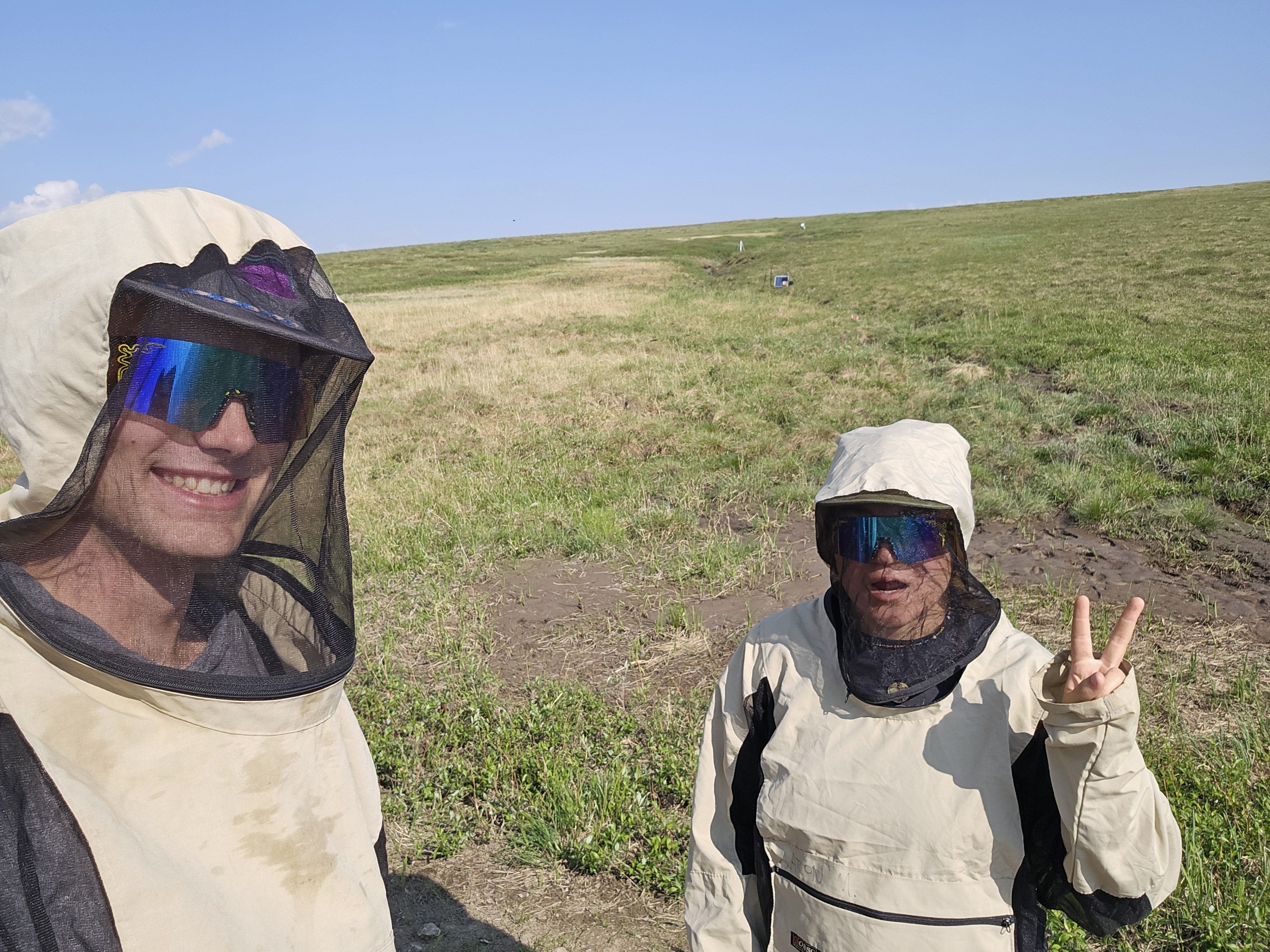 Environmental geology students Addison Greenfeld ’26 and Aayla Kastning ’26 are studying Arctic water tracks in Alaska as part of the geomorphology lab with Assistant Professor of Geology Joanmarie Del Vecchio. Their thesis research focuses on the Arctic region since the area is experiencing rapid climate change, warming four times faster than the global average.
“This rapidly accelerating climate change is leading to rapid permafrost thaw. This place that was regarded as a carbon sink, or somewhere that takes in carbon, is all of the sudden releasing a lot of carbon into the atmosphere,” Greenfeld said.
“Water tracks” are an underground permafrost feature that Greenfeld describes as a hybrid between a river and a marsh, capable of accounting for a substantial amount of carbon loss.
Over the summer, Greenfeld and Kastning traveled to Toolik Field Station in northern Alaska, home of a long-term ecological research program run by the University of Alaska Fairbanks. The site is valuable for their research due to its close proximity and accessibility to a large quantity of water tracks.
“It’s a year-round station where scientists are always visiting,” Kastning said. “It was really cool to be among all of these really accomplished, smart people studying similar things in the Arctic.”
During the visit, they examined changing vegetation patterns, thaw depths, and temperatures at different depths.
“The most rewarding part was getting to go out in the field. I’ve always loved fieldwork, and being out in the tundra was totally unlike anything I’ve ever experienced,” Greenfeld said. 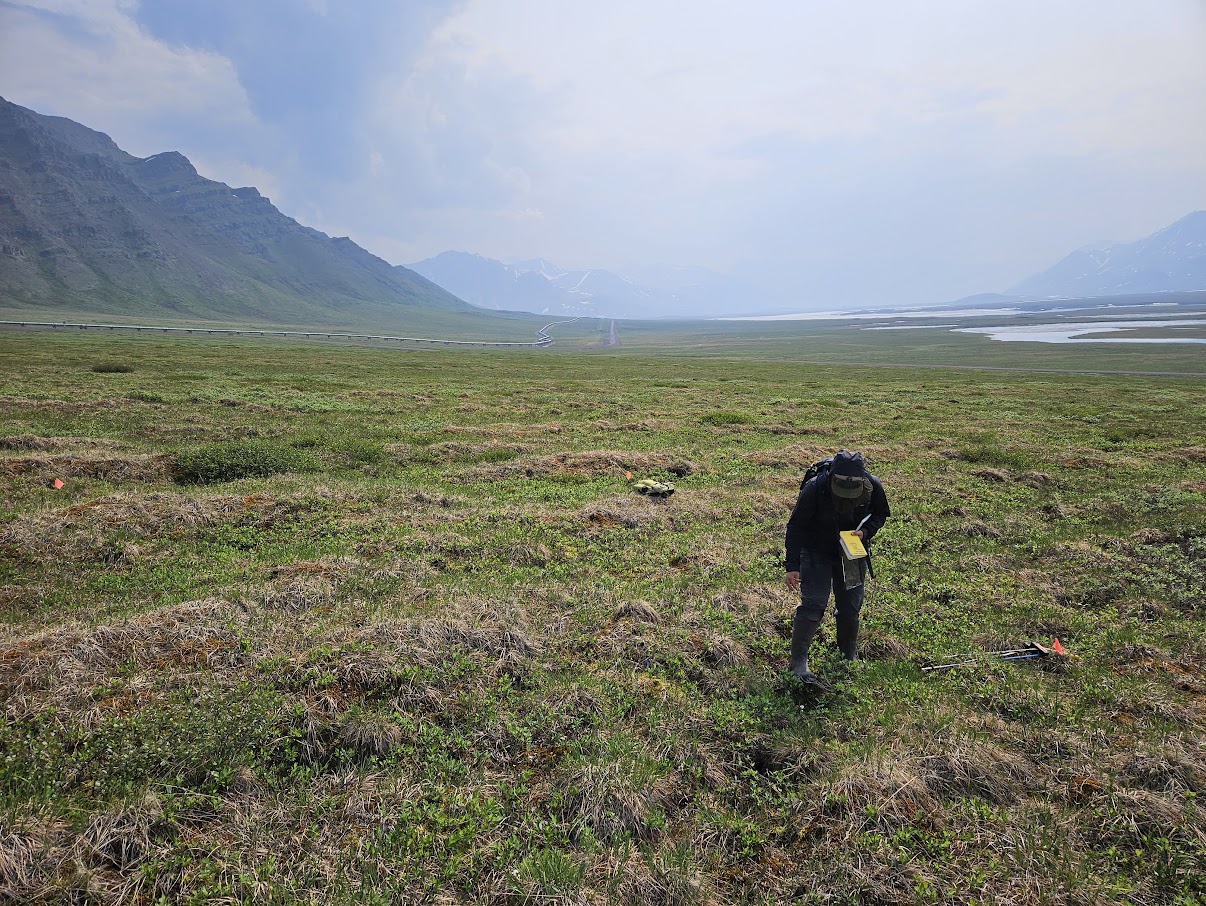 “My advisor was very good at giving us the freedom to develop our own methods of data collection in the field,” Kastning said. “The freedom to ask my own questions and find ways to answer those questions pushed me to grow as a student and as someone interested in science.”
Kastning emphasized that the significance of this research extends beyond the Arctic and is intertwined with human activity.
“I’m interested in hydrology and studying how human impacts to our landscape affects the way water moves. The Arctic is a very sensitive environment, and its changing carbon cycles have implications on the entire globe.”
Greenfeld says he values the unique body of knowledge he has gained from the experience.
“There aren’t a lot of people in the world who know about water tracks, so it’s fun to be one of them.”