Skip to main content
City Research Scholars trace generational histories, uncover untold stories
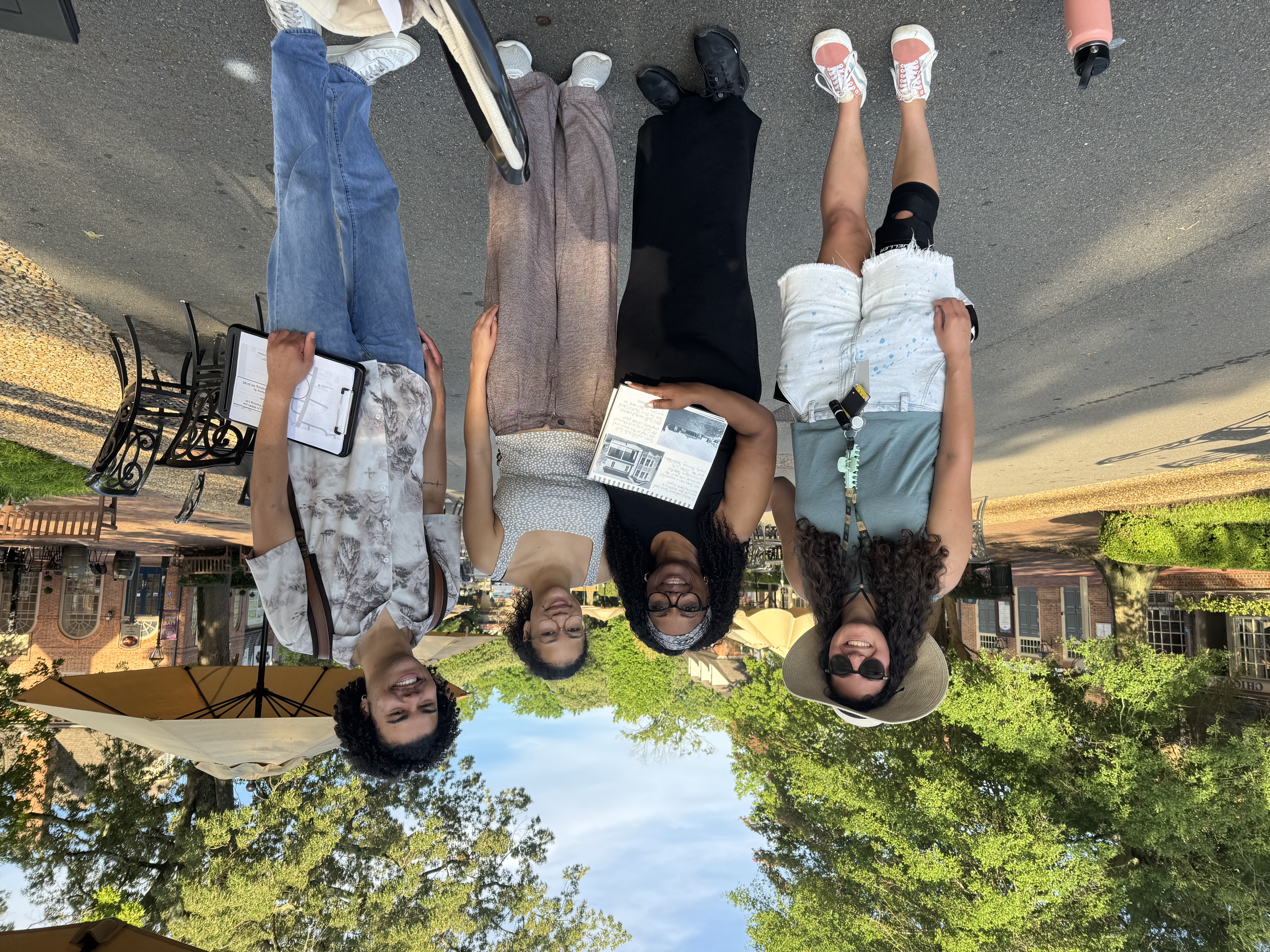 This past summer, one small group of City Research Scholars took a trip through time and space without ever leaving Williamsburg.
With support from the Charles Center, these scholars interned with local organizations over a ten-week period in which they blazed a trail through the past, capturing local histories and discovering family legacies.
Julia Womersley-Jackman ’27, a classical studies major with an anthropology minor, has long been a passionate scholar of Mediterranean archaeology. However, this summer she took the chance to explore topics outside of her discipline, delving into the field of American history.
“I know it’s not really quite in my field – it's the American Revolution – but I was just excited to do some research, especially because it is going to be for Virginia’s 250th year celebration,” Womersley-Jackman said. “I was really excited to be a part of that.”
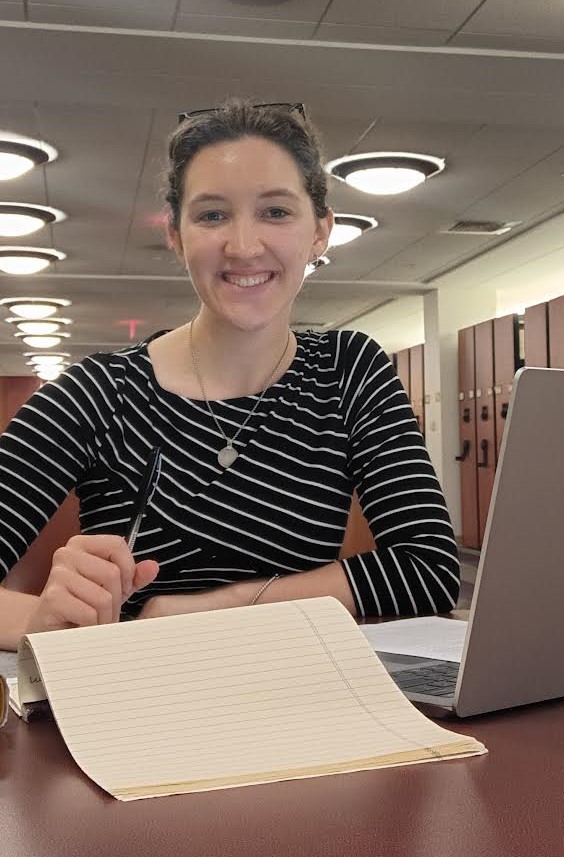 Womersley-Jackman's internship with the City of Williamsburg gave her the chance to research a long-term project and experience a day in each department, rotating through all the key branches in the city government – including one memorable day spent riding around with the fire department.
“On the day-to-day, I was on Google and on databases; I spent a lot of time on the National Archives website, just digging through information,” she said. “I was tasked with researching the life of one specific individual, because they’re going to release five-to-six mini-documentaries about various people that are significant to the American Revolution, and that are from the Williamsburg area.”
In the process of researching the life and legacy of Robert Mursh (sometimes Mush), Womersley-Jackman tracked down Mursh’s living descendants who were eager to connect with her over their family’s past.
“That was probably my favorite part of the internship, just because it was so interesting to talk to somebody who’s directly related to the individual I had been researching for 10 weeks,” she said. “I got so lucky because they’re really interested in their own family ancestry, so they had some really great insights for me to follow and then we were kind of working together.”
Transitioning from her summer experience, Womersley-Jackman is now working with W&M’s Strategic Cultural Partnerships, finishing the script for the documentaries and managing her own team of undergraduate researchers for the video series.
Working on the summer-long project has only deepened her passion for archival work and the many “rabbit holes” of history, which she hopes to continue to pursue through graduate school.
Driven by the same passion for historical beginnings, anthropology and government double major Jaenya Cooper ’26 interned with the Virginia Racial Healing Institute (VRHI) in Williamsburg. Her work consisted of helping host community events and researching a major research project – uncovering the history of the Amblers House, a lesser-known historical landmark located near Jamestown Beach.
“We don’t talk about it a lot. It’s a small plantation and it has so much history,” Cooper said. “What I did was research the history of it – how we discovered it was a small plantation, who owned it, who lived there, and who were the descendants.”
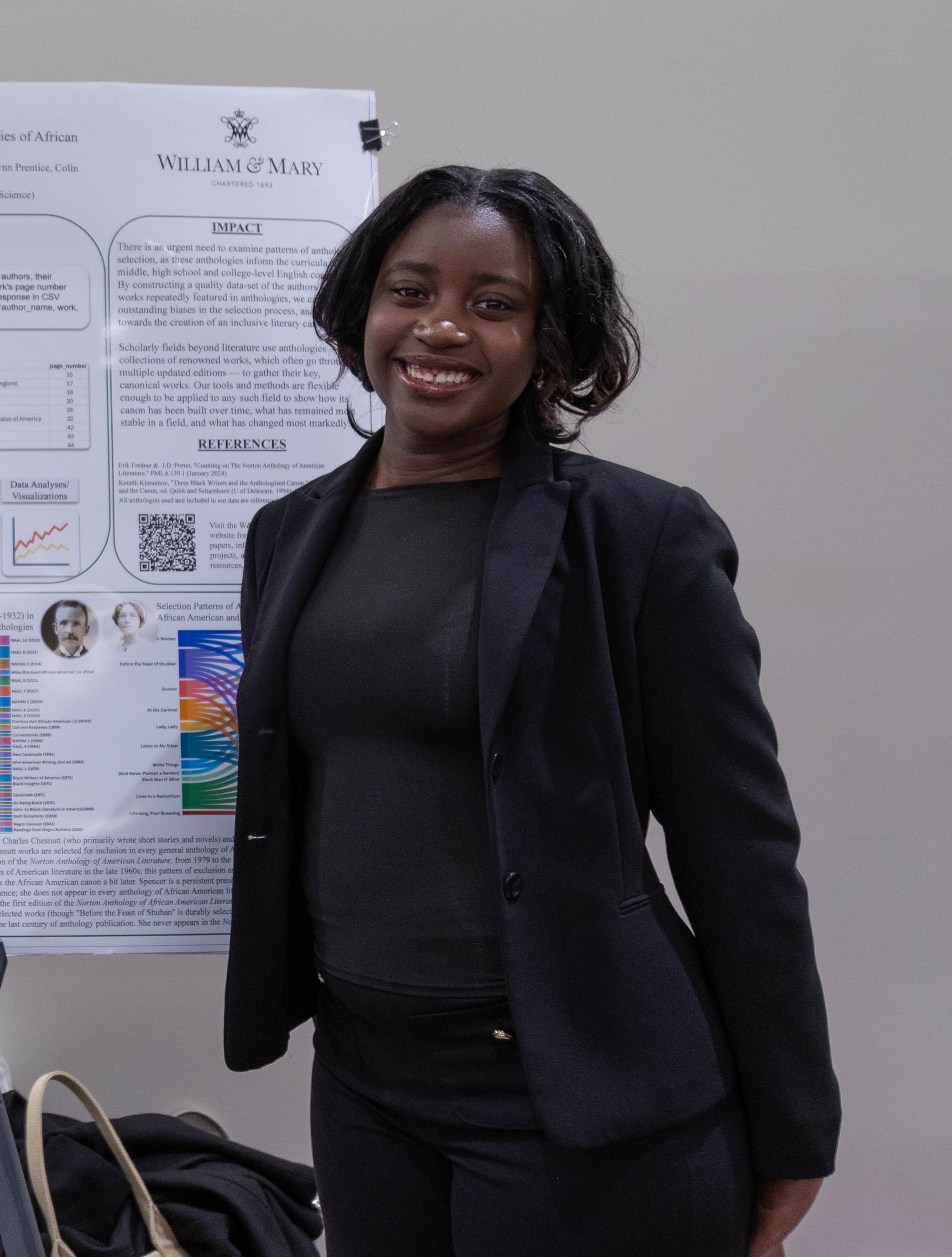 Even now, her research continues to uncover new questions. Cooper and the research team are still working to gain access to the slave quarters on site to tell the stories of the twelve individuals known to have been enslaved there. The team's work is ongoing, as Cooper continues to search for descendants of the enslaved individuals and bring their histories to light.
Amblers House now stands as a historical landmark open to the public. The VRHI hopes to use its classroom-sized rooms and open expanse as a place for community healing and learning.
With the support of Laura Hill, VHRI president and executive director, Cooper has presented her research to Williamsburg City leaders and submitted her research to the Library of Virginia.
Cooper’s favorite parts of the internship were the events held in honor of the local community.
“We had keynote speakers, and they were actually doing similar research to what I’m doing now on ancestors, enslaved individuals, and houses,” Cooper said. “Just seeing that and hearing what they said and hearing the discoveries, I was like, wow, that’s what I want to do for the Amblers House. It was just a really great experience – I loved Juneteenth, it was amazing.”
Dedicated to highlighting hidden histories, Cooper also works with The Local Black Histories Project during the year to “uncover some of the truths and shed light” on the displacement of Black communities in Williamsburg, she said.
Another Local Black Histories Research Fellow, sociology and Africana studies double major Terrence McDuffie ’26, said he was inspired by his ongoing work with the project to apply for a City Research Scholars internship with The Village Initiative.
“I’ve been working really closely with Professor Amy Quark for the past year, learning the ins and outs of the displacement of the Black community in Williamsburg,” McDuffie said. “When I found out about the opportunity to delve into this work a little deeper, working directly with The Village Initiative as an organization as a whole, I found it to be a great chance to know some of these community members and understand the complexities of work I was doing.”
During his internship, McDuffie shared that each day brought on a different adventure, and each adventure centered the voices of the local Williamsburg community. Building “symbiotic relationships” with the local community is foundational to their work, McDuffie said, as he fondly recalled the times that his work “was eating dinner with some of the community members and just getting to know them personally.”
“Some days, I was out in the field, working hands-on with community members, interviewing them, asking them questions about their families and developing an understanding. A big part of this is building relationships with these community members,” McDuffie said. “Other days, I was deep in the archives, analyzing and compiling documents, whether that was land deeds, Williamsburg City Council meeting minutes, or pictures.”
Each day of community-building and historical research brought McDuffie closer to understanding the “puzzle that was the history of racial displacement in Williamsburg,” and to his dream – working in a community nonprofit. His internship embodied his favorite part of community-based research – “understanding people’s lives and seeing the excitement on their faces when we were able to find pictures of their descendants and community members.”
The Village’s impact, both in documenting the history of descendants in Williamsburg and pushing for equity in local schools, left a major impression on McDuffie, who shared that this internship was one of the most powerful projects he has had the opportunity to be involved with.