 Skip to main content

Crim Dell Meadow

Sequoia sempervirens
Closeup of needles on one of the Coast Redwoods.
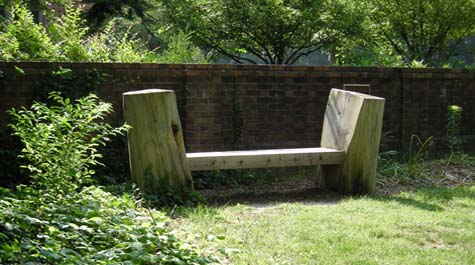
Redwood Bench
Constructed from wood salvaged after damage to the Coast Redwood trees.
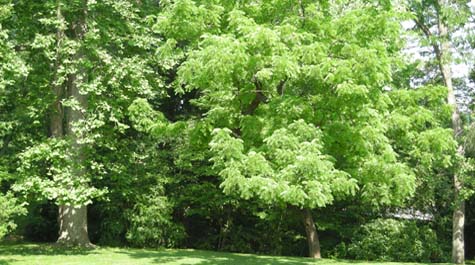
Juglans nigra
A Black Walnut (right) in the Crim Dell Meadow west of James Blair Hall.
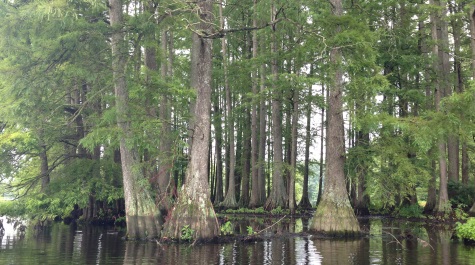
Taxodium distichum
The bald cypress in its natural habitat. Note the buttressing of the trunk for stability in water.

Metasequoia glyptostroboides
The muscular, fluted trunks of two Dawn Redwoods.
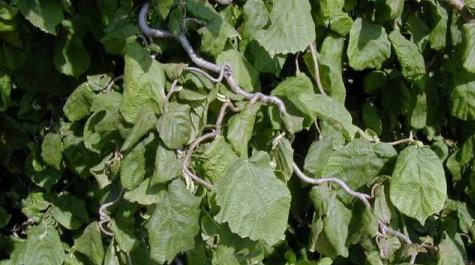
Corylus avellana 'Contorta'
Harry Lauder’s (very contorted) walking stick!
Photo courtesy Missouri Botanical Garden
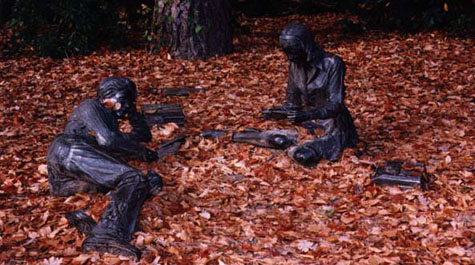
"Spring"
Crim Dell Meadow provides a natural setting for this sculpture, titled "Spring."
Photo courtesy Missouri Botanical Garden
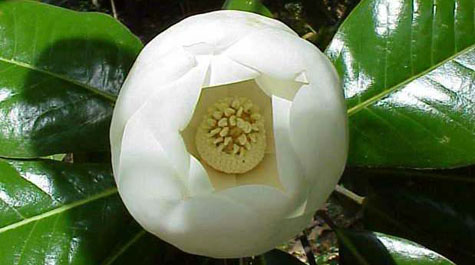
Magnolia grandiflora
Several Southern Magnolias can be found around Crim Dell.
Photo courtesy Missouri Botanical Garden
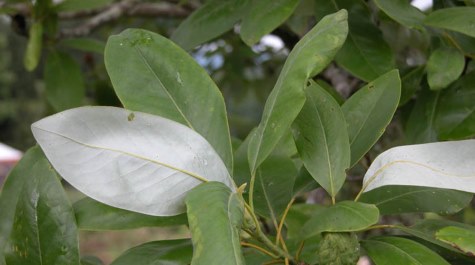
Magnolia virginiana
Note the sweet bay magnolia has a white bloom to the undersides of its leaves. Its stature is quite different from the southern magnolia although its flowers are similar.
Bruce K. Kirchoff http://bioimages.vanderbilt.edu/
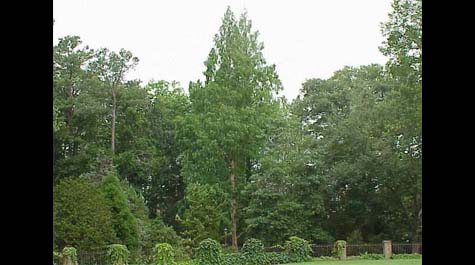
Metasquoia glyptostroboides
Just beyond the far end of the Sunken Garden are the tallest Dawn Redwood trees in North America.
Bruce K. Kirchoff http://bioimages.vanderbilt.edu/
Entrance and Commemorative Features
Just west of the Tyler and Sunken Gardens, the Crim Dell Meadow offers remarkable plant diversity. Entering from the Tyler Garden sidewalk, you’ll find:
- Scarlet Buckeye (Aesculus pavia): A full specimen located near the Sunken Garden fence.
- The Redwood Bench: Placed between two large Coast Redwoods (Sequoia sempervirens) planted in 1953. The bench was crafted from wood salvaged after Hurricane Isabel by a collaborative team of faculty, students, and staff.
Living Fossils and Global Heritage
The meadow features species with deep historical roots, most notably the Dawn Redwoods (Metasequoia glyptostroboides).
- History: Thought extinct for 13 million years until 1946, these trees were grown from seeds obtained by Professor Baldwin in 1948.
- Maidenhair Tree (Ginkgo biloba): Another ancient species found nearby, continuing the theme of botanical endurance.
Native and Cultivated Diversity
The western edge of the meadow blends native Virginia species with unique cultivated varieties:
- The Double-Trunked "Tree": An unusual specimen combining a Tulip Poplar (Liriodendron tulipifera) and an American Sycamore (Platanus occidentalis).
- Native Specimens: Includes Black Walnut (Juglans nigra), Eastern Red Cedar (Juniperus virginiana), and Loblolly Pine (Pinus taeda).
- Unique Varieties: Look for Harry Lauder’s Walking Stick (Corylus avellana ‘Contorta’) and the Japanese Full Moon Maple (Acer japonicum ‘Aconitifolium’).
Final Stop: Be sure to find the bronze statue titled “Spring” before exiting via the trail toward the picturesque Crim Dell bridge.