 Skip to main content

‘You Belong Here’: Mentorship Program Empowers Female Physics Students
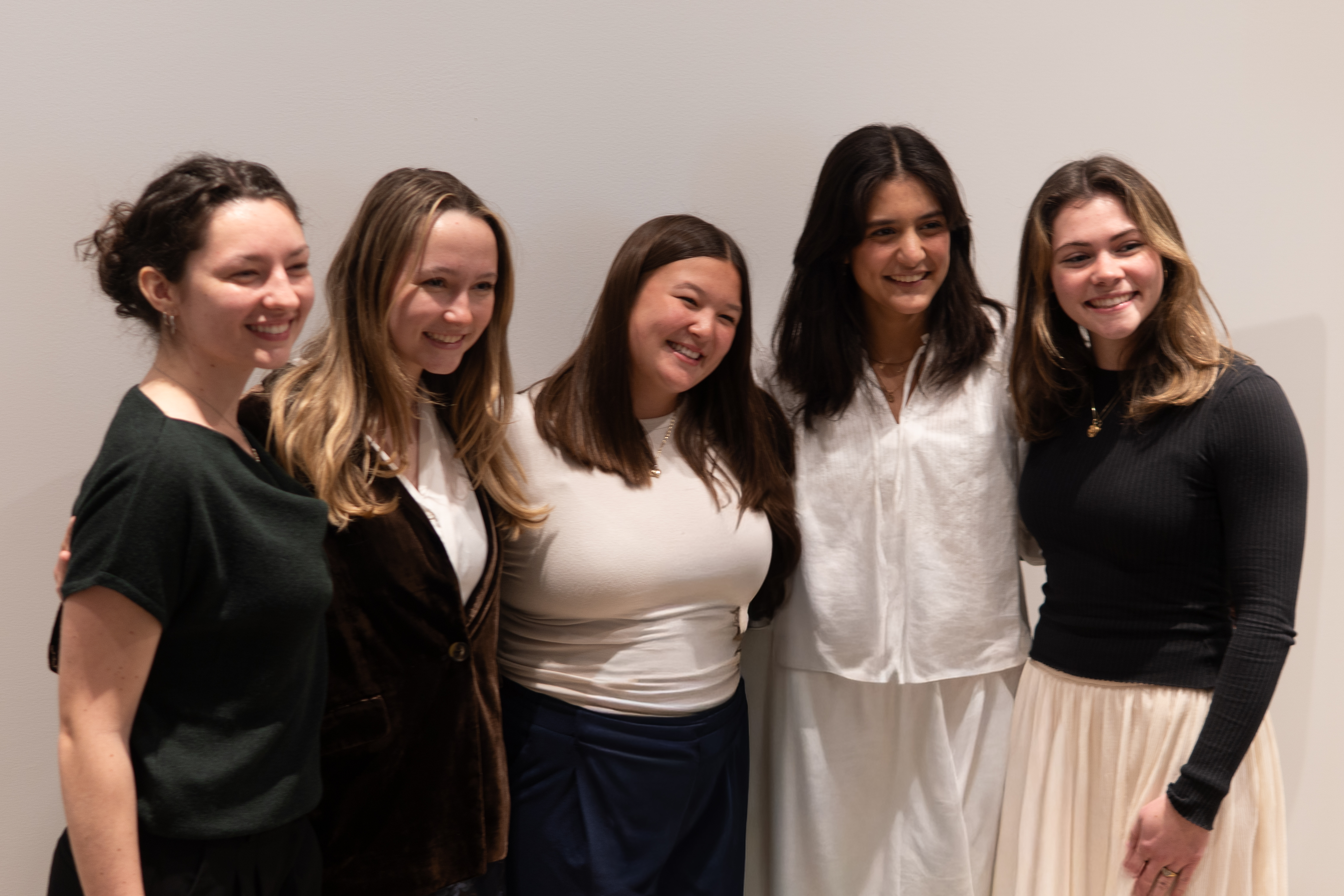
When a talented young physics student walked into Professor Ran Yang’s office in 2021 and wondered whether she belonged in the field, the moment lingered.
“She said, ‘I love this, but I don’t know if there’s a place for me; you can’t be what you can’t see,’” recalled Yang. “She couldn’t see herself in physics, not because she lacked talent, but because no one could show her what was possible.”
That conversation sparked what would become Mentoring for Careers in Physics (MCP), an initiative that connects undergraduate women in physics with professional female mentors working across industry, research and government.
Five years later, the program has supported more than 120 students, pairing them with mentors who are scientists, engineers, and executives in organizations like NASA, Jefferson Lab, Micron, and Microsoft.
‘After every conversation, I walk away a little bit taller’
Solana Neeley ’27, a physics major who is concentrating in Engineering Physics and Applied Design, said being paired with Jennifer Inman, a William & Mary alum and a project manager for NASA, not only provided the resources to further her career, but a sense of belonging and direction that has shaped her path as a woman in science.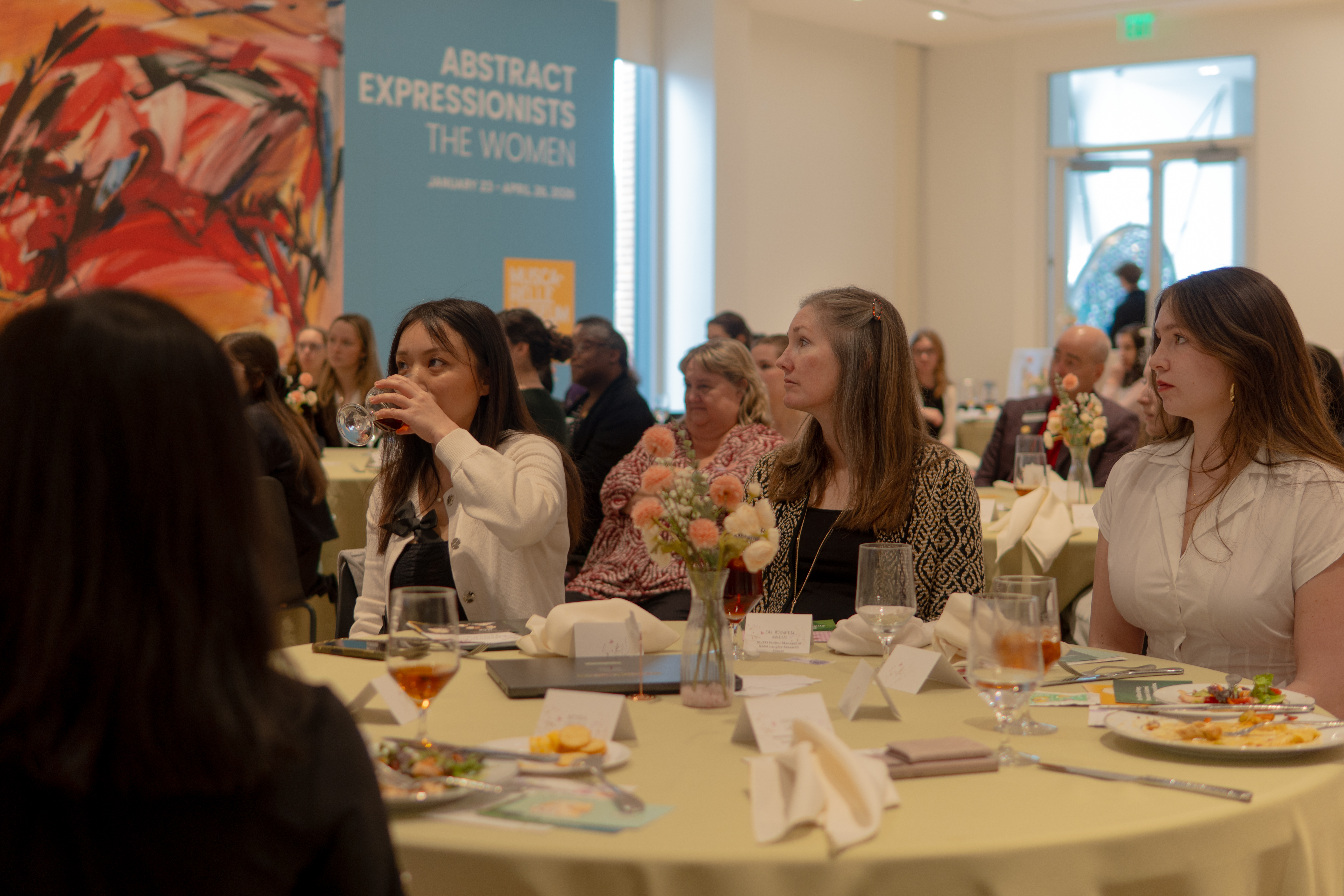
“I met Jennifer when I was a sophomore and I had just started my EPAD journey,” she said. “At the time, I was really insecure and unsure of myself – constantly questioning whether I truly belonged in physics and if it was something I could really do."
From their first meeting, Jennifer created space for both professional guidance and personal connection. They discussed coursework and career paths, but also family, ambitions, and the everyday experiences of being a woman in a demanding field.
“She consistently encourages me to believe in my abilities,” Neeley said. “After every conversation, I walk away a little bit taller, thinking, maybe this is really for me – and I can do this.”
For Inman, that kind of mentorship is deeply personal, rooted in her own experience and a desire to provide the guidance she lacked.
“I had a lot of misunderstandings and misperceptions about what was possible after graduation. I expected the path to be paved, but instead it felt like I was given a machete,” stated Inman. “I think I maybe vicariously am trying to reach back to some former version of myself and say hey, here are all things I wish I had known.”
Yang said mentors like Inman are the heart of MCP, and the number of mentors keep growing, with most coming back to take on new mentees.
“These women don’t come back for recognition, they came back because they remember the loneliness and they refuse to let another generation feel that,” stated Yang. “That is what MCP is – it’s a promise passed from one generation of women to another.”
Julia Rodrigues ‘26, a program assistant for MCP and physics major, said having someone to look up to and lean on for advice helps students navigate challenging times.
“Seeing someone who looks like you is really meaningful,” said Rodrigues. “In those hard moments, where you're working a problem set and you're like, I don't know if I can do this, and you remember that you do have the support. It makes difference.”
A ripple effect across generations
One of the early champions of the MCP program was the Society of 1918, who was founded during the centennial celebration of the admission of women to William & Mary.
“They didn't back us because we had proof it would work,” said Yang. “They backed us because they remembered. They remembered what it feels like to be that student who couldn’t see herself.”
Amanda Lindbom, Associate Director of Alumni Inclusive Excellence, said MCP embodies the mission of the Society of 1918 by strengthening connections between alumni and students and ensuring that women at William & Mary have support as they navigate their careers.
“Women supporting women shouldn’t just be a catchy slogan — it’s a strategy,” said Lindbom. “When women choose to invest in women through mentorship, philanthropy or leadership, the impact ripples outward across disciplines, careers and generations.”
Lindbom said that while the students are the beneficiaries of the mentors’ time, expertise, and networks, she reminds them that they are the future stewards of the program.
“I think one of the most powerful things about women's philanthropy is that it multiplies,” stated Lindbom. “Mentee will become an alumna, alumna will become a mentor, and a mentor becomes a philanthropist, and the cycle continues.”
‘You belong here’
While MCP is celebrating their fifth anniversary, Yang said their work is only the beginning. The dedication of mentors will help ensure that no student walks into her office feeling as if she doesn’t belong.
“To our mentors, you are changing lives — do not ever doubt it,” Yang said. “To our students, you belong here. Physics has a place for someone exactly like you.”