 Skip to main content
Interview With Visiting Assistant Teaching Professor Maria Kovalchuk
 Can you tell us a little about yourself and what drew you to the study of the ancient world?
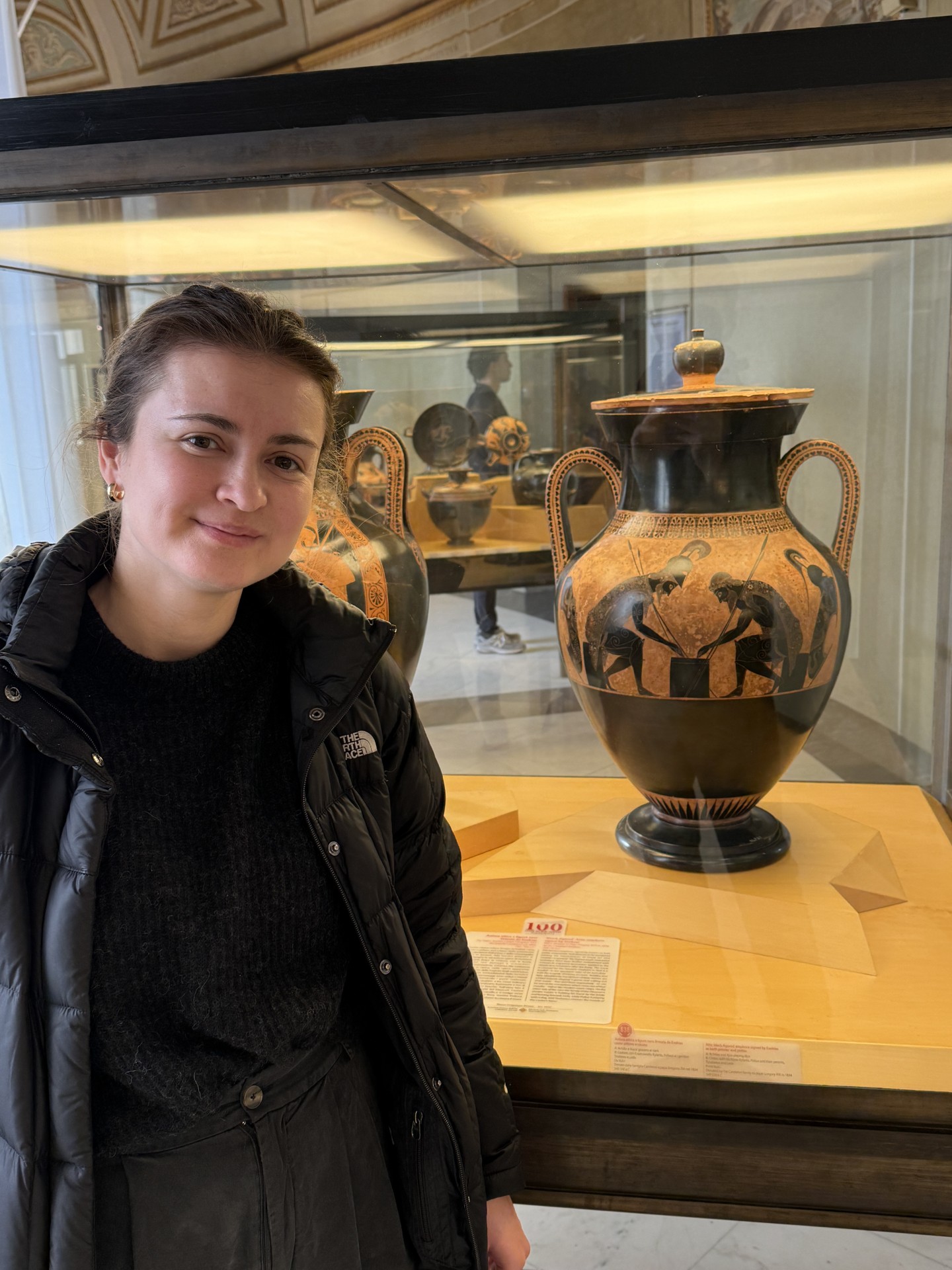
I credit my high school Latin teacher, Dr. Victoria Jordan, with steering me in the direction of studying the ancient Mediterranean world. She was brilliant, held her students to a high standard, and had this intensity that I was drawn to. When I learned how to translate unadapted Latin and could see into the world that had captivated her, the rest was history. My first encounter with classics may have been an accident of fate – I happened to have amazing teacher – but sometimes it also feels like destiny. My early life had made me immensely curious about languages, literatures, and cultures. I was born in Siberia to a Ukrainian father and a Russian mother. When I was five, I moved to Finland with one parent, and six years later, I immigrated to the United States with another. On some level, I chose classics as a college major and then as a career because it allowed me to explore yet another culture, but my life gets to be only intellectually upended.
We heard that you're teaching a section of one of our all-time student favorites - "The Voyage of the Hero"! Can you tell us a bit about your approach to this class? 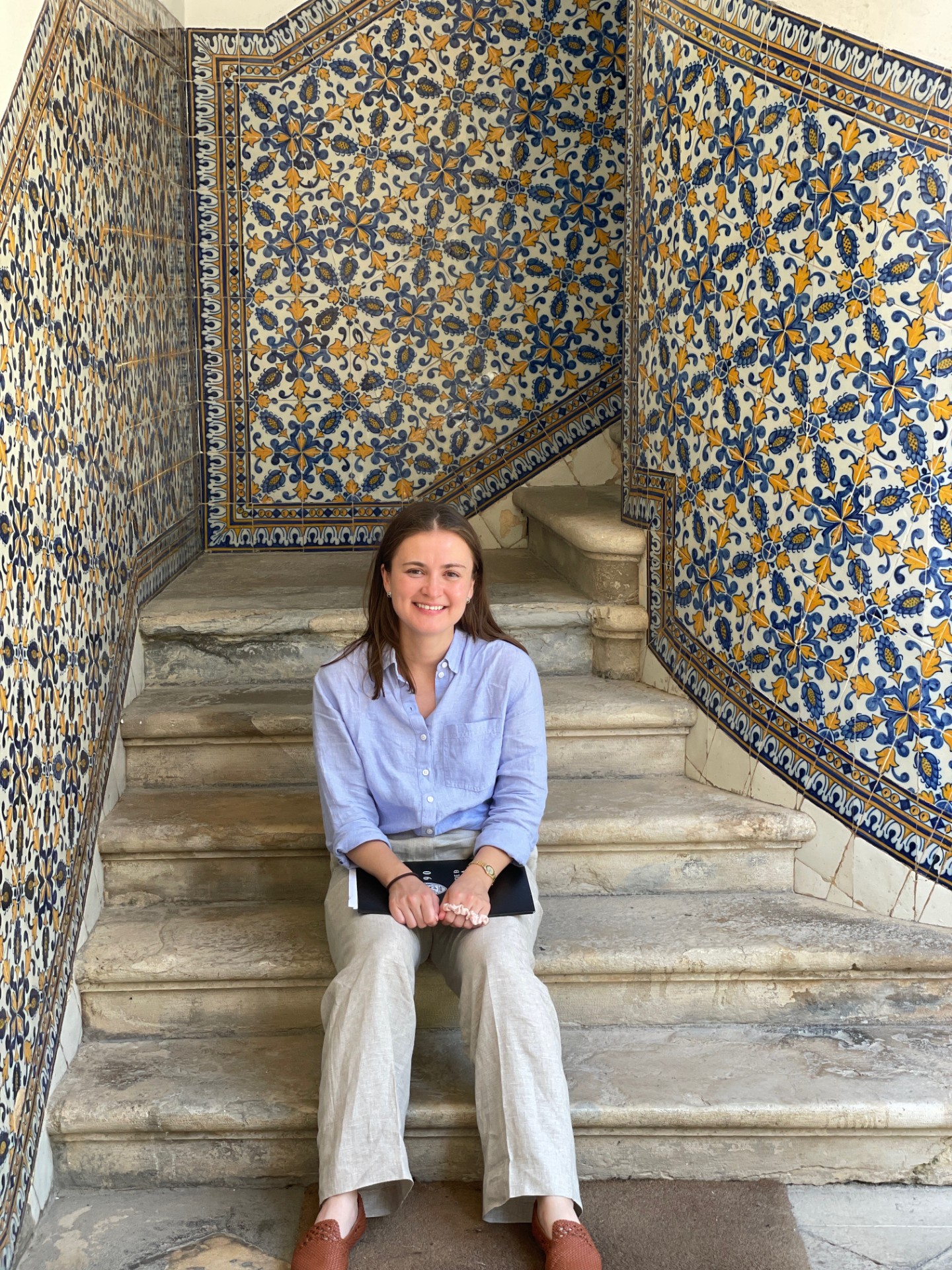
I am fascinated with the ways that the ancient Greeks and Romans conceptualized and processed the unknown, which is one of the major themes of classical epic. In particular, I like to focus on the cognitive development of young characters, especially how they display their naivete and how it affects their character arc. Naivete gets thematized a lot throughout Greek literature, but the Hellenistic poets are especially obsessed with it. The class will see some of that as we read Apollonius of Rhodes’ Argonautica, which narrates a voyage that happened about one mythical generation before the Trojan War. We will see a passive, though diplomatic, version of heroism displayed by the young protagonist Jason, and we will learn what young Medea was like before becoming famous for murdering the children that she and Jason will eventually have according to another literary tradition. I’m also excited to teach Homer following the release of Christopher Nolan’s Odyssey. The film was inspired by the recent translation of Dr. Emily Wilson, who taught me in graduate school. Just as Emily and other professors got me excited about Homer, I hope to show my own students why the classical epics are still worthy of our time and attention.
Finally, will you tell us a little about yourself beyond the classroom? What are your passions and hobbies?
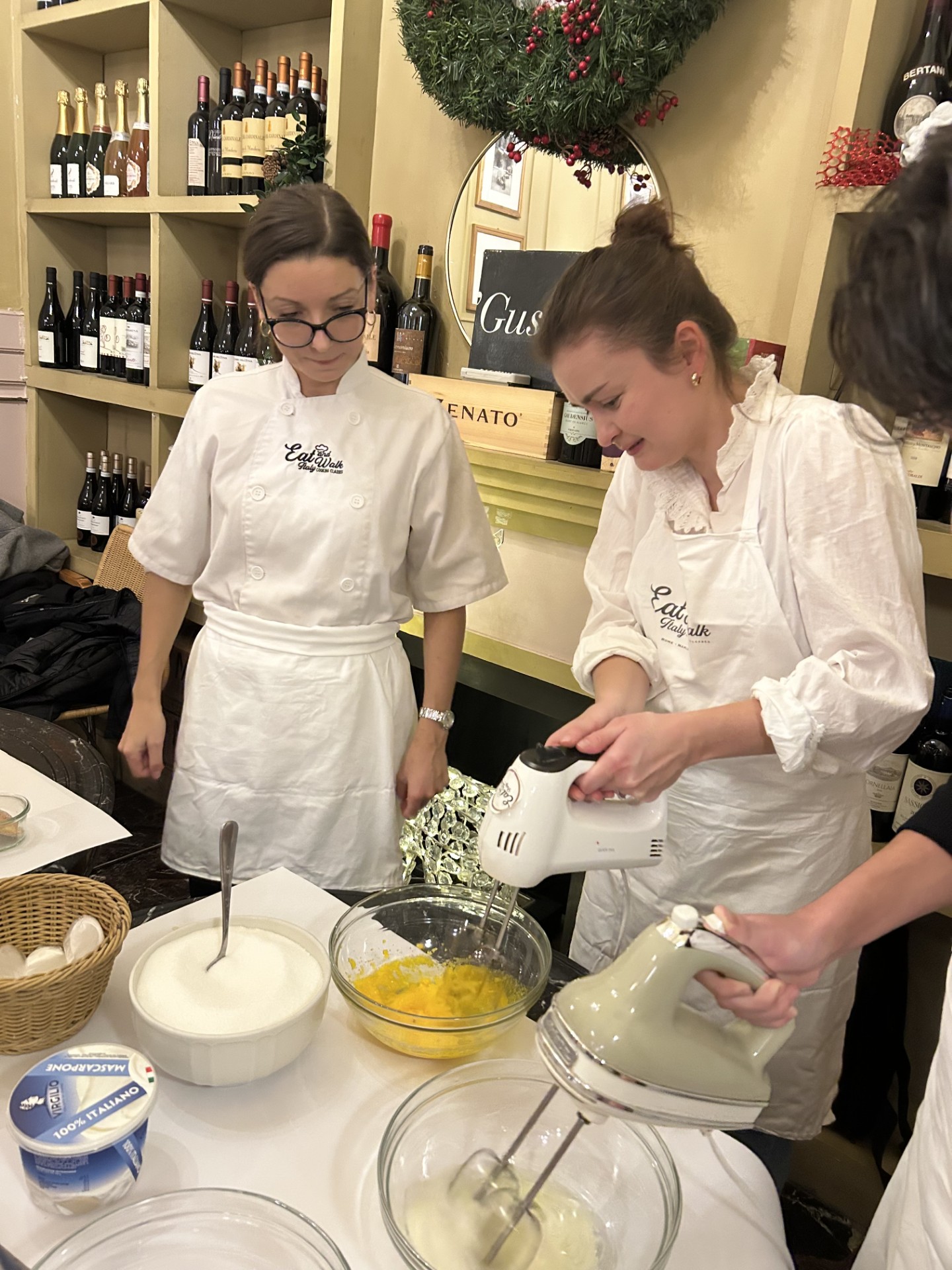 When I’m not teaching, meeting with students, or working on my scholarship, I like to hang out with my husband Victor, read memoirs and contemporary novels, and spend time outdoors. I also play on an adult field hockey team with the hilarious name of “Running on Empty.” Fun fact: we finished third at the national club championships two years ago! I also coach for a local youth field hockey club, which involves teaching in a different capacity. And if you’re wondering why I like field hockey so much, I played the sport back in college, and I still like to stay involved. To quote Juvenal: Mens sana in corpore sano (“a healthy mind in a healthy body”)!