 Skip to main content
Pre-college students discover the power of history
In high school, Clara Paez ‘28 was unsure about the whole idea of college. One influential summer spent at William & Mary exploring early American history changed her mind.
The National Institute for American History & Democracy (NIAHD), a partnership between William & Mary and the Colonial Williamsburg Foundation, offers a range of immersive learning opportunities. These experiences include undergraduate and graduate certificates in public history & material culture, classes offered by W&M’s history department, and a pre-college summer program. Every area of NIAHD focuses on public history, local site visits and hands-on learning.
The pre-college program, held every summer since NIAHD’s founding in 2002, consists of a three-week course that includes daily site visits, lectures and seminar discussions. High school students, ranging from freshmen to seniors, live on campus, where they experience the life of a college student. This year’s course offerings focus on the road to the American Revolution, American Independence, and the Civil War, all of which coincide with America's 250th anniversary.
Paez, who grew up in Guaynabo, Puerto Rico, knew she was interested in history and soon discovered NIAHD when searching online with her mom for pre-college programs as a high school senior in 2023. That summer, she took a course on the Revolutionary War and came away from the program with more than just deepened historical knowledge. "NIAHD definitely had an impact on my college trajectory. It came at a time where I wasn't really sure what I wanted to do, and this helped me realize that I'm very passionate about museum work,” Paez said.
In addition to shaping her career goals, she found a home at W&M after discovering the possibilities of higher education. “I didn't plan on applying to William & Mary, and I wasn't super enthusiastic about applying to college. But I think that really changed after I spent just three and a half weeks here as a student,” Paez said. “I loved the campus and I loved seeing what my life could be like here.”
The high school students come from Virginia and beyond for the program. Many of the students are drawn to the opportunity to learn early American history in the heart of where it began.
“It sounded really amazing to be on a campus with so many historical sites and learning through more experience than just in a classroom,” a pre-college student enrolled in The Road to the American Revolution course said.
Other students come excited for the chance to learn from professionals in the field.
“Being able to see actual sites and talking to professionals is a really good experience for what I might want to study in the future,” another pre-college student said.
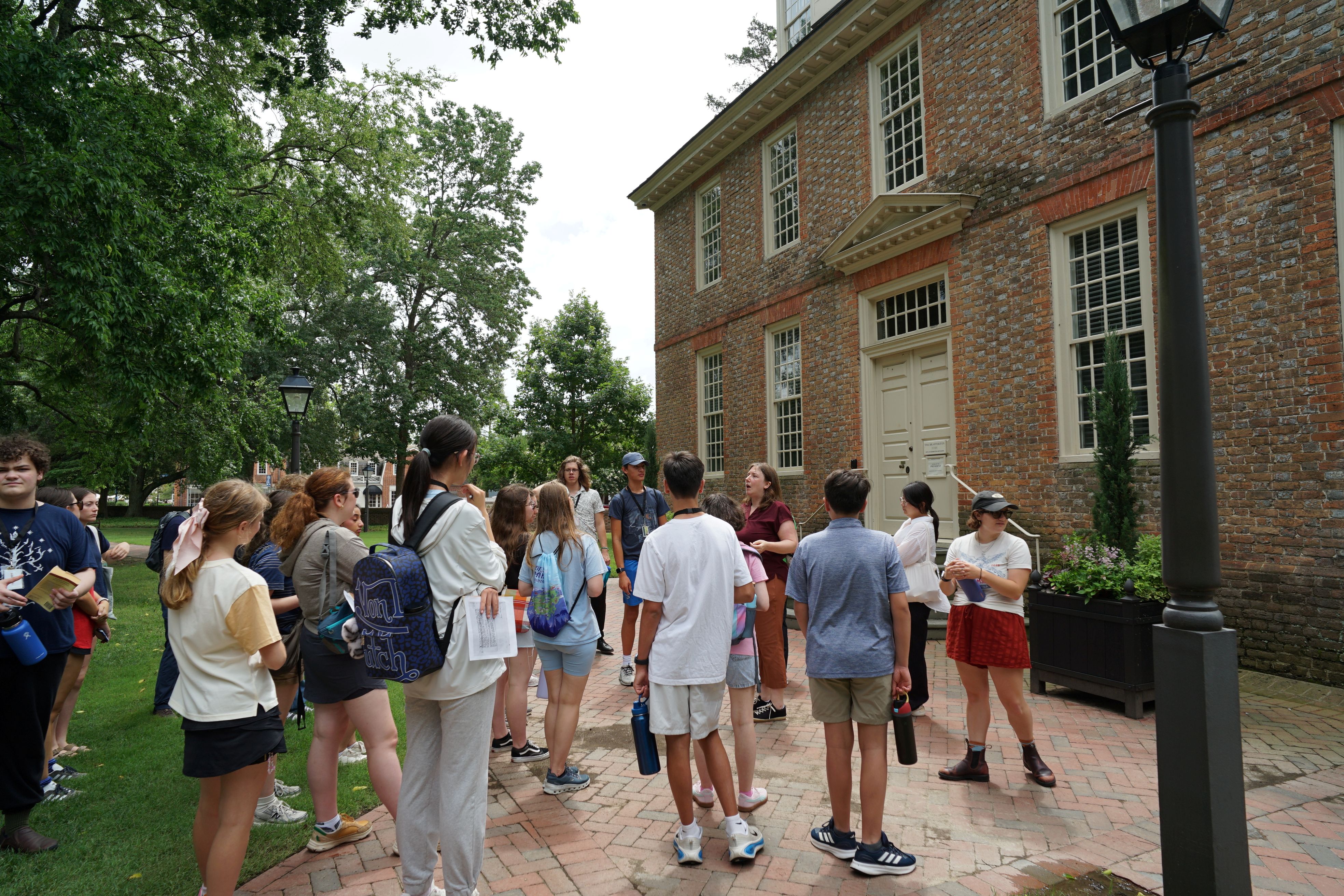
Robyn Schroeder, assistant director of NIAHD and a faculty affiliate in the history department, starts the first day of American Revolution class with a tour of the university’s historic campus, diving into revolutionary history at the college. The tour and program highlight the “vernacular life” of colonial America, educating students about everyday people living through watershed moments in the 18th century.
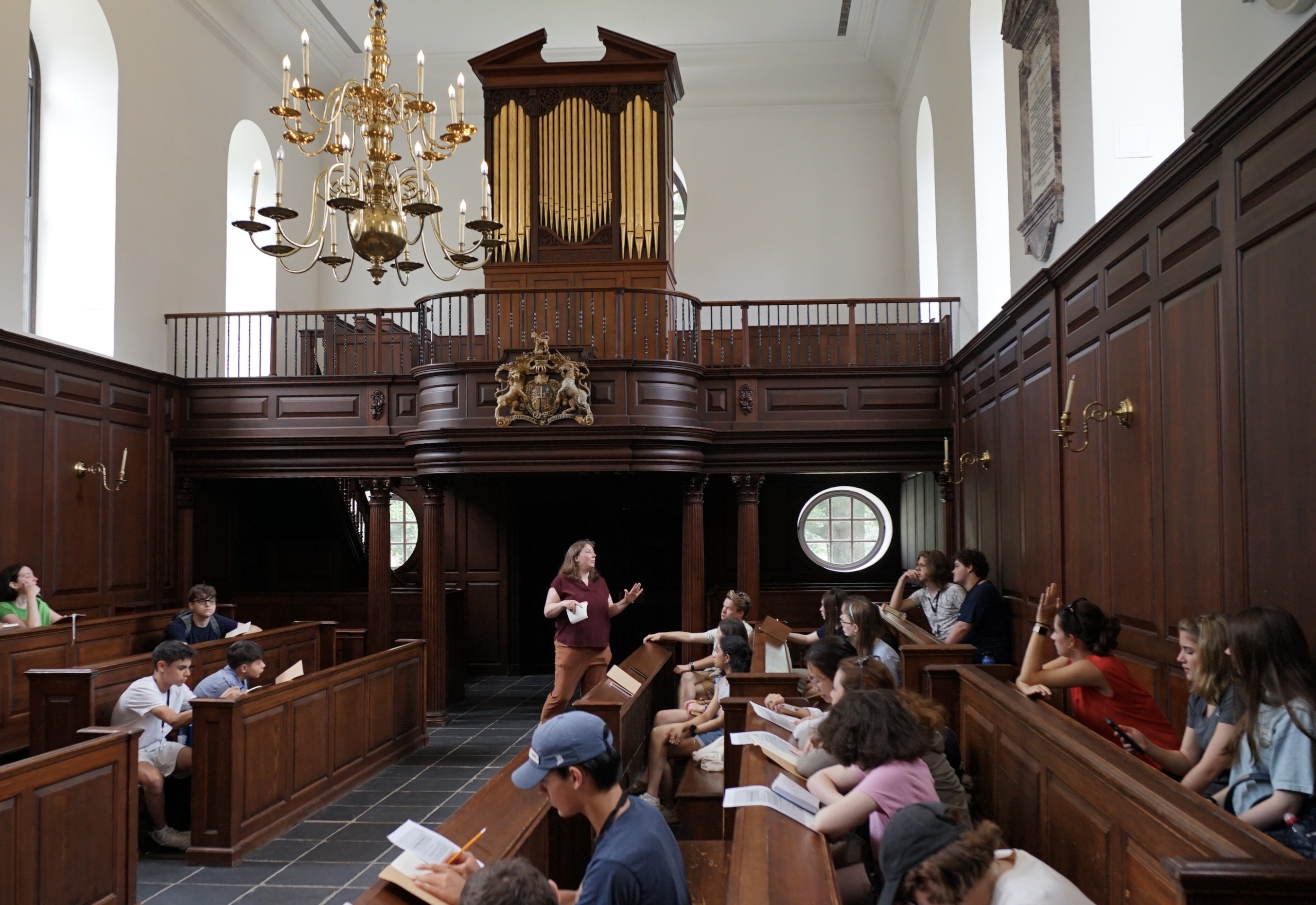
At Hearth: Memorial to the Enslaved, the final stop on the tour, Schroeder explained the meaning behind the blank stones spread across the monument — each stone waits for a newly discovered name of an enslaved person at W&M. “Revolution is a complex time,” Schroeder said to the group of students while discussing the role of revolutionary figures, such as Thomas Jefferson, in upholding slavery.
The Campus Revolution tour stems from research led by Schroeder and her undergraduate students, who host the tour throughout the year for a variety of visitors.
Many undergraduate students studying history at W&M can trace their first days on campus back to their own time as NIAHD pre-college students, and some, like Paez, have continued to stay involved with the program.
Paez, now a history major in the St. Andrews Joint Degree Programme, returned to NIAHD as a resident teaching assistant (RTA). RTAs serve as traditional resident assistants, while also providing additional support for students, such as offering academic assistance and facilitating travel to each day’s site visit.
“I've loved coming back as an RTA and being on the other side of things,” Paez said. "I loved it as a student, so being able to give that experience to someone else is wonderful.”
Though Paez has been involved in NIAHD since her high school days, other students, such as Shawn Nassaney '27, became involved with the program after moving to campus. Nassaney joined the NIAHD staff as an RTA in 2024 following his freshman year.
After three summers, Nassaney has risen to head RTA. In this role, Nassaney acts as the point of contact between NIAHD and the RTA staff and organizes the RTAs’ daily duties. “This opportunity for advancement has come with more opportunities to interpret at historical sites and contribute in a more active way to the students' education, which is one of the main reasons I keep coming back,” Nassaney said.
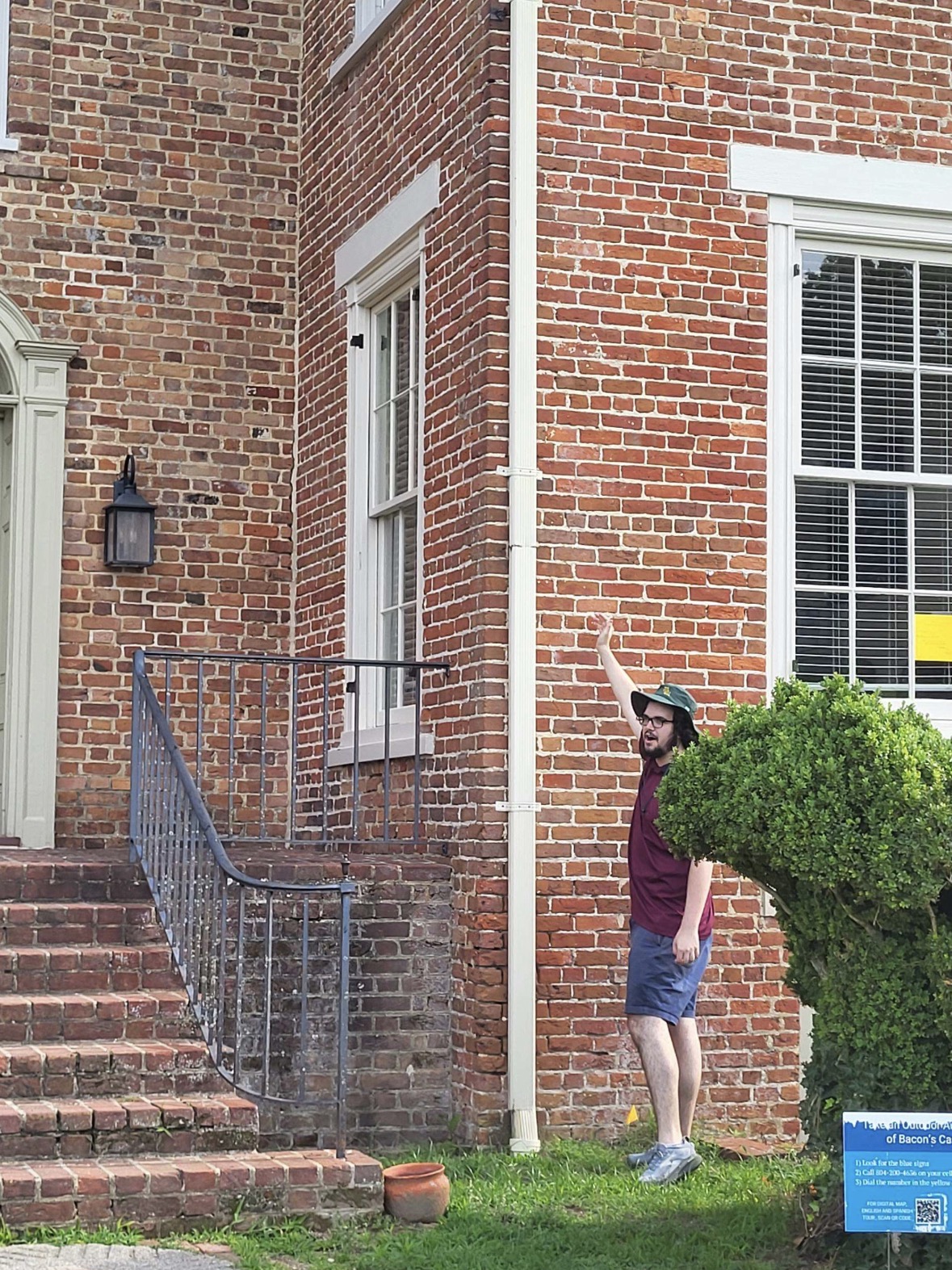
Nassaney even had the opportunity to give a lecture about how different brick bond styles can be used to estimate the year of a building’s construction. His lecture was so well received that he hosted more brick-related events and was lovingly dubbed "the brick guy” by his students. “Seeing the students take something away from the program that you shared with them is very powerful,” Nassaney said.
NIAHD continues to captivate pre-college students through public history and provides meaningful opportunities for undergraduate students to grow as historians and leaders.