 Skip to main content

Understanding the present through the past: Melvin Ely reflects on history, teaching and discovery
For Melvin Ely, the study of history has always centered on ordinary people — understanding their lives, challenging assumptions and discovering new perspectives. Whether through his scholarship or the classroom conversations it inspired, that lifelong pursuit of knowledge defined his more than three decades at William & Mary and continues to guide his work in retirement.
During Ely’s time teaching in W&M’s history department, he specialized in African American history and the South. He is the author of three books — all of which have been reviewed by The New York Times and other national media, including his most recent book published in April, “A Terrible Intimacy: Interracial Life in the Slaveholding South.” Kate Masur, the historian who wrote the Times review, said that “Ely convincingly reveals how the antebellum social order was defined both by violent white supremacy and by a surprising variety of interracial relationships.”
Following testimony in six criminal cases from Prince Edward County, Virginia, in the years preceding the Civil War, Ely’s book focuses on the daily personal interactions between Black and white people during the era of slavery in the American South, adding layers of nuance to a dark and complicated time in the nation's history. Encounters of the enslaved with slave owners, overseers and poor whites all figure prominently. 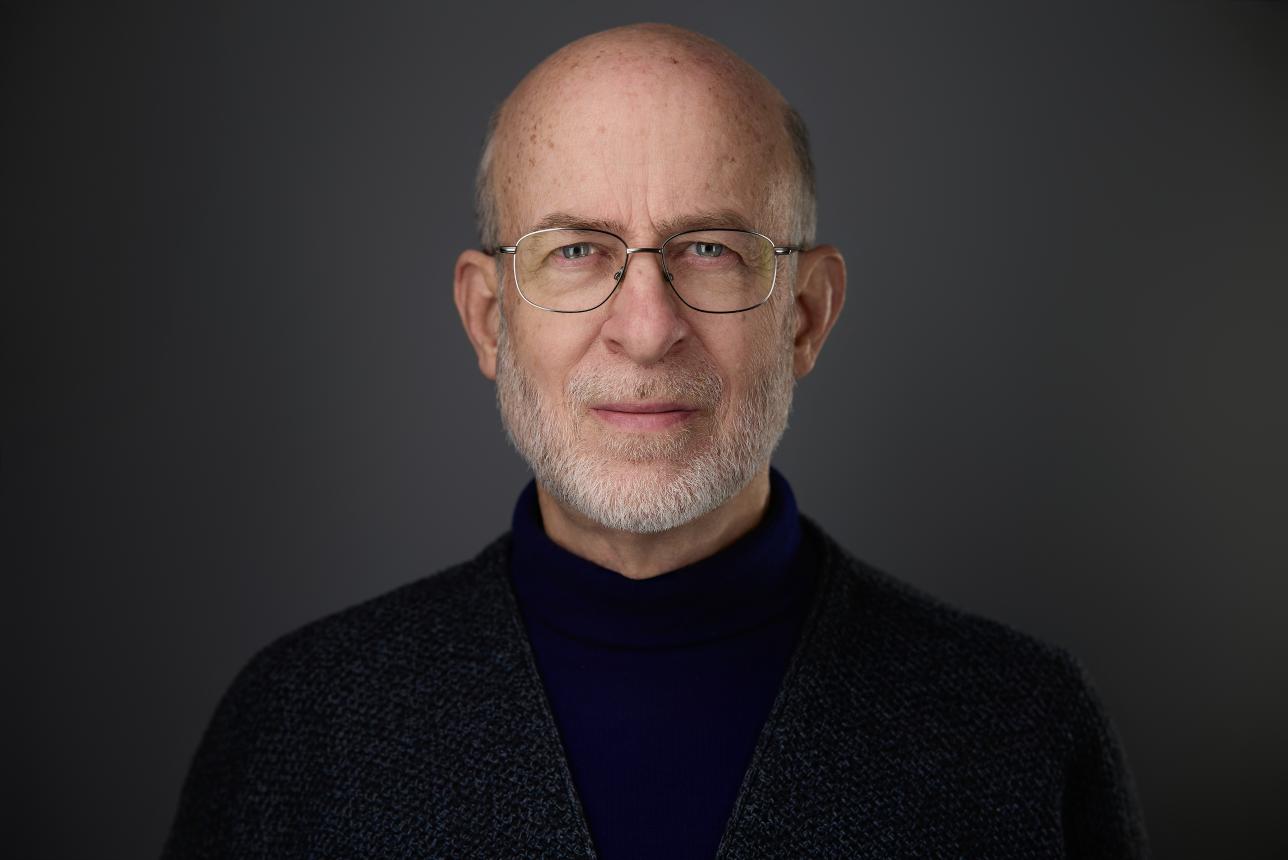
“This is why [the book] is called ‘A Terrible Intimacy.’ It depicts a terrible system — a system in which some of the white people involved could show empathy towards Black people, but almost all of them in 1861 were ready to pick up a rifle to fight to preserve slavery,” Ely said. His book challenges readers to acknowledge the contradictions of everyday life, especially the ways in which white people recognized the humanity of their Black neighbors while still defending a system that violated that very humanity through physical cruelty, family separations and more.
Ely likened historians’ work to investigative journalism. “We try to uncover stories and weave observations that are significant." He organized "A Terrible Intimacy" in a novel way, as though he and the readers are watching the criminal trials take place moment by moment. Along the way, Ely explains the vocabulary, cultural assumptions, and legal maneuvers that underlie the trials. This style of writing echoes how Ely taught his students.
“I like to share with my students the fruits of my research,” Ely said. In class, he’d spark discussion, where he found that students would often share insights that hadn't occured to him. These classroom discussions inspired him so much that many of his publications drew from them. “What we try to do at W&M in all departments is to include students in the process that we use as faculty to discover new knowledge,” Ely said. That collaboration and mentorship between faculty and students was very important to Ely as an educator.
As the nation celebrates its 250th anniversary, Ely sees an opportunity to revisit the country's founding with fresh eyes. By taking a closer look at the people and institutions that shaped the nation, and by embracing complexity, Ely hopes Americans can better understand both the achievements and the shortcomings that continue to influence society today.
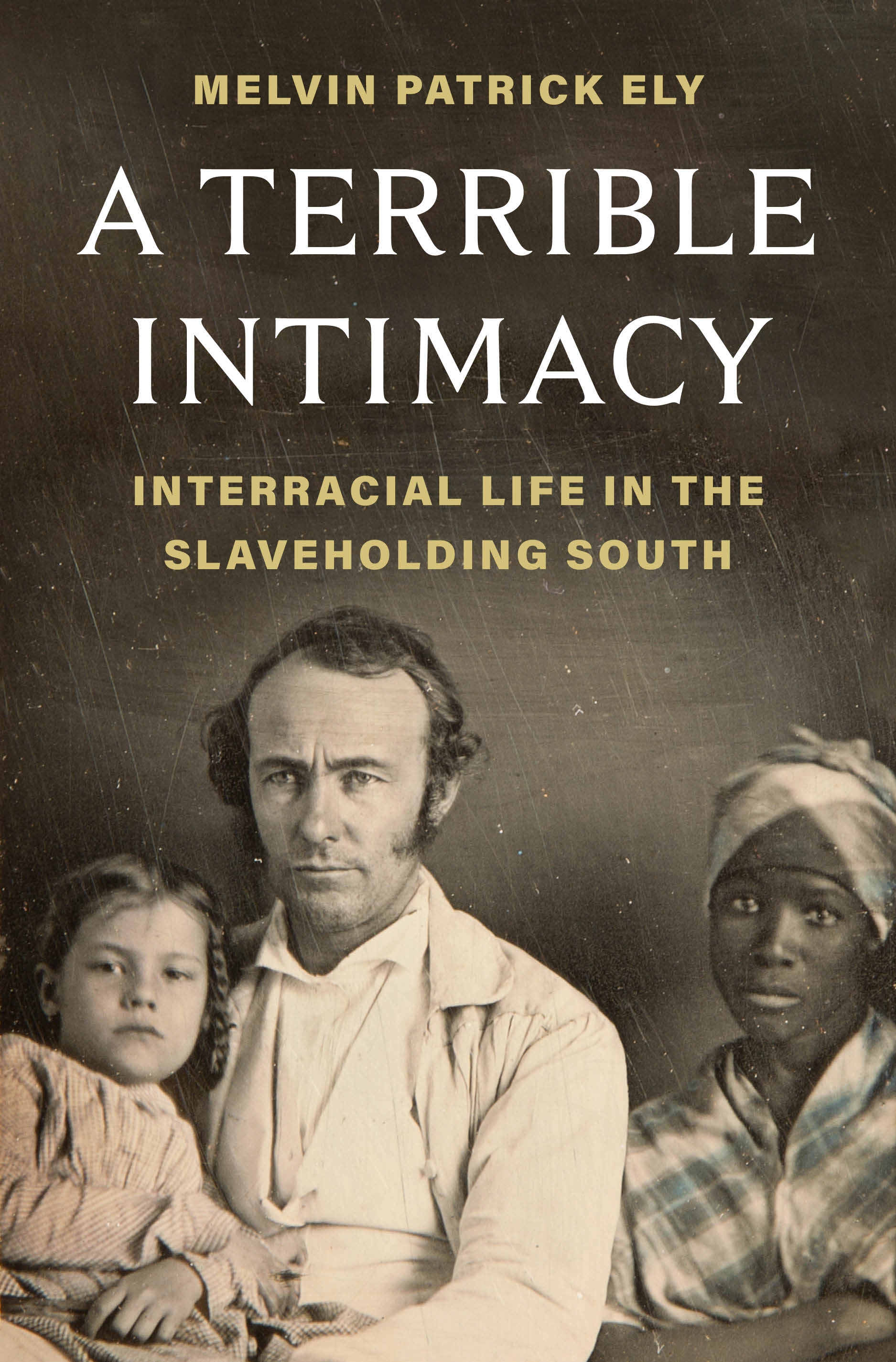
“History should be a dose of reality. It should be a medium that allows us to understand the world we live in today,” Ely said.
Ely’s 2004 book, “Israel on the Appomattox: A Southern Experiment in Black Freedom from the 1790s Through the Civil War" was named an Editor’s Choice by The New York Times and the Atlantic, and won several awards, including the Bancroft Prize, the American Historical Association's Albert J. Beveridge Award for best book on the history of the Americas, and the Library of Virginia Literary Award for Nonfiction. He has achieved many distinguished honors throughout his career, including the Commonwealth of Virginia’s Outstanding Faculty Award, presented by the governor in 2006, and the Prize for Outstanding Scholarly Publication and Research and the Prize for Teaching Excellence at Yale University, where he taught before coming to W&M. He received a Fulbright award to teach at the Hebrew University of Jerusalem in 1998-1999.
Although Ely retired from teaching this year, the relationships he built with students remain one of the most meaningful parts of his career. Reflecting on more than three decades at W&M, Ely said teaching and mentoring students has been a continual source of inspiration and joy.
“Working with W&M students has been a great pleasure,” Ely said, “and I think most of my colleagues would say the same thing. Students are what we love about teaching and about W&M specifically.”