 Skip to main content
Building pathways to legal careers: inside W&M’s Legal Scholars program
For Johanna Pellegrino ‘24, the road to law school was filled with obstacles, but William & Mary’s Legal Scholars program turned barriers into opportunities.
The Legal Scholars program seeks to remove structural barriers for students pursuing legal careers, making the path to law school more accessible, especially for students without established networks or financial resources. It supports a cohort of primarily juniors and seniors who are planning to apply to law school in fall of their senior or gap year through advising, skill-building, and workshops, transforming what can feel like an intimidating process into one that is clear and intentional.
Now a second-year law student at Northeastern University, Pellegrino, who was part of one of the program’s earliest cohorts, experienced its impact firsthand.
“It’s a really cool program, and I think that it met a lot of needs that would have otherwise created a barrier to me going into law right out of undergrad,” she said. 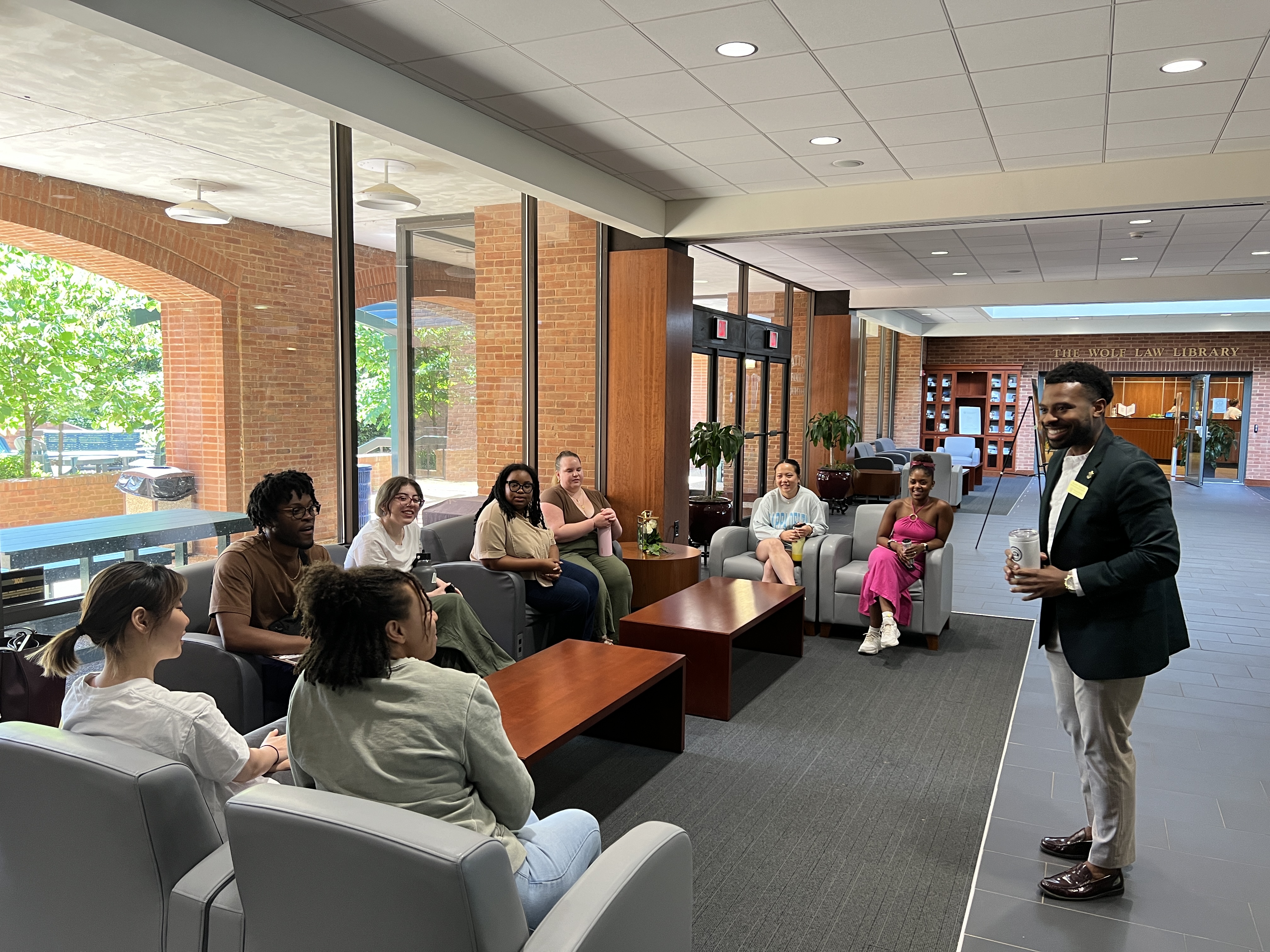
At its core, the program centers on early, structured preparation for the law school application cycle. Legal Scholars receive access to an LSAT preparation course and follow a guided timeline through the application process, including an intensive on-campus boot camp where they refine personal statements, secure letters of recommendation, and develop a targeted list of law schools.
As rising first-year student at New York University’s School of Law, Sean Nguyen ’24 explains, the program “aims to give a lot of different students the opportunity to pursue law school [which] is a very costly and arduous process [that] seems like a really daunting and tall order seem much more approachable.” By integrating logistical support with strategic guidance at every stage, the program provides a clear, step-by-step foundation for students pursuing legal careers.
Upon observing the demonstrated need for more comprehensive pre-law support at W&M, Christine Nemacheck, professor of government, founded the Legal Scholars program in 2023. As she explains, “This was a program that stemmed from doing so many years of pre-law advising. It felt like we really needed it at W&M.” In working alongside Jackson Sasser, teaching professor of government, to imagine what a more intentional pre-law advising structure could look like, Nemacheck began to identify persistent gaps, particularly the uneven access students had to resources like LSAT preparation and structured guidance through the application process — ultimately creating the foundation for what would become the Legal Scholars program.
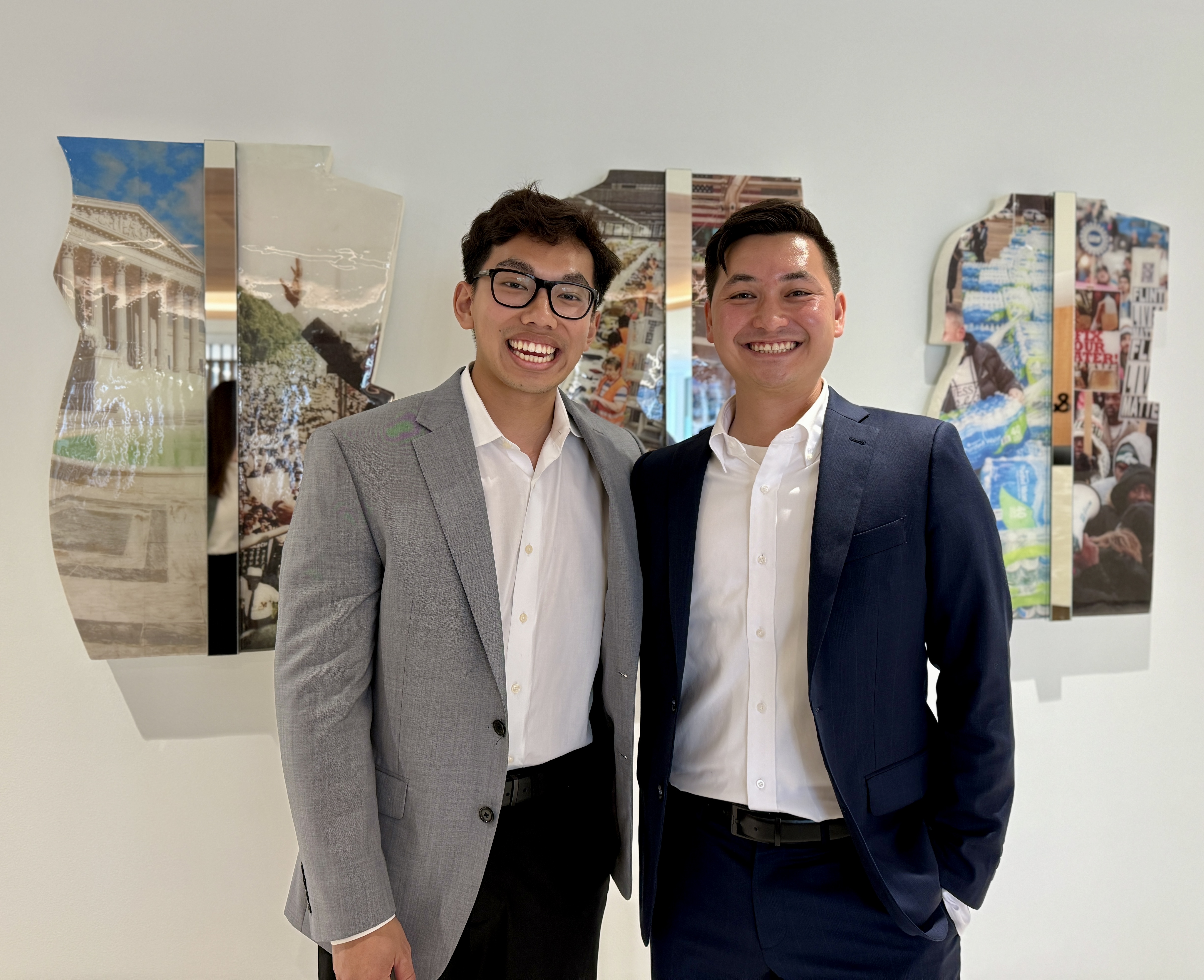 What distinguishes the Legal Scholars Program is the strength of the community it fosters, one that extends far beyond a single application cycle. Scholars consistently point to the collective experience of navigating the law school process together as one of the program’s most meaningful aspects. For Nguyen, being with “other students who were simultaneously undergoing this rigorous process with [him] was invaluable.” Central to this dynamic is Nemacheck herself, who serves as a steady, invested presence. Nemacheck not only guides students through each step but actively cultivates the relationships that sustain the program and links cohorts across years, ensuring that support does not end with acceptance letters.
“The Legal Scholars program really embodies what W&M likes to advertise to its students, which is this network of alumni, community, and this feeling that you can reach out to someone who graduated from W&M and they’d help you. It really illustrates those kinds of connections and how tied back we all are to W&M,” said Zoe Simon ‘25, a first-year law student at Cornell.
Equally significant is the financial support the program provides, which many scholars describe as a true gateway into the legal profession. Applying to law school is an expensive process, regularly costing thousands of dollars — from LSAT preparation and exam fees to application costs — creating a financial barrier that can deter otherwise qualified students. The Legal Scholars program works to level the playing field by subsidizing key components, most notably the LSAT prep course. “Part of the motivation for creating the program was to provide everybody with the resources that they needed to be successful,” Nemacheck said.
For students, the support is transformative. Pellegrino emphasizes that beyond covering costs, the program also prepares students to navigate the financial complexities of applying to and attending law school, including guidance from financial aid officers. “Those forward-thinking things — when you have to manage all of it, something might drop,” she notes, highlighting how easily financial considerations can be overlooked without structured support. In this way, the program additionally equips students with the knowledge and stability needed to compete on equal footing.
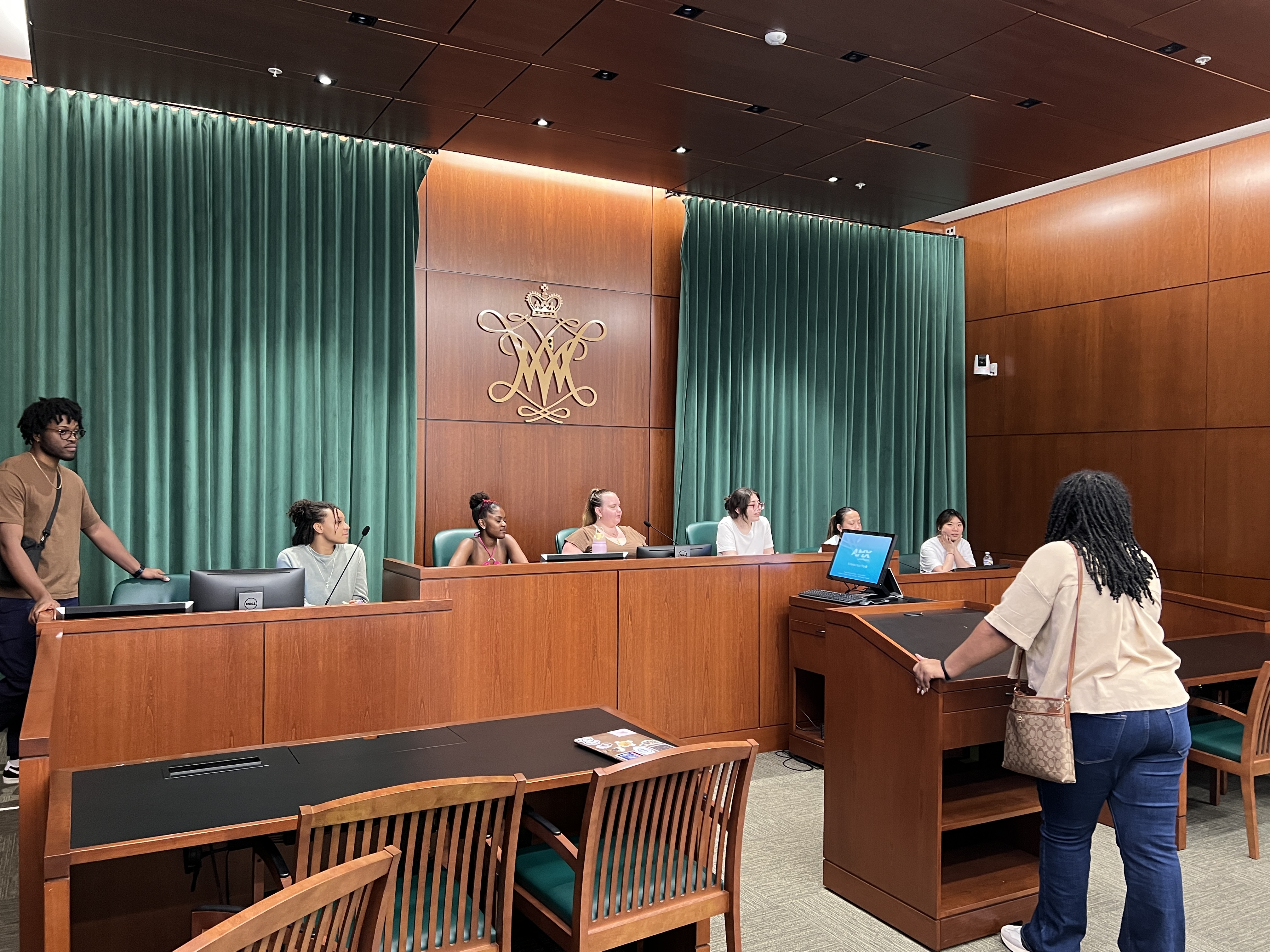 As the program continues to grow, its impact extends well beyond each cohort. With more students applying and more alumni matriculating into law school, the Legal Scholars network is an expanding community rooted in mentorship. Scholars are paired with alumni mentors in the legal field, creating guidance that continues through law school itself. For students, that continuity is invaluable.
“It’s really nice to access those perspectives,” Simon said. “Those connections are the biggest thing that has helped me currently as a 1L (first-year law student).”
The Legal Scholars program also strengthens the university as a whole. As scholars graduate and matriculate into law schools across the country, they carry with them the rigor, mentorship, and community cultivated through the program while remaining closely connected to campus. Their continued success contributes to a growing network of alumni embedded in the legal field. As Nemacheck puts it, “once a Legal Scholar, always a Legal Scholar,” a sentiment that captures both the program’s lasting impact and its role in shaping the university’s distinction.
For students interested in becoming a Legal Scholar, the program accepts applications in the fall, primarily from juniors, with select opportunities for seniors planning a gap year before law school. The application process includes written materials and a demonstrated interest in pursuing a legal career, with priority given to Pell-eligible and first-generation students.