 Skip to main content
The Naxos Quarry Project Summer 2025
During Summer 2025, Prof. Jess Paga and two W&M undergraduate students, Maya Parfitt and Devon Keesee, took part in fieldwork with the Naxos Quarry Project (NQP), where Paga has
served as a quarry and architecture specialist since 2024. Paga and the students conducted fieldwork on the Greek island of Naxos with additional archival research in Athens. They joined
an international team of students, junior and senior scholars, and specialists, drawn from 5 different counties and with a broad array of backgrounds.
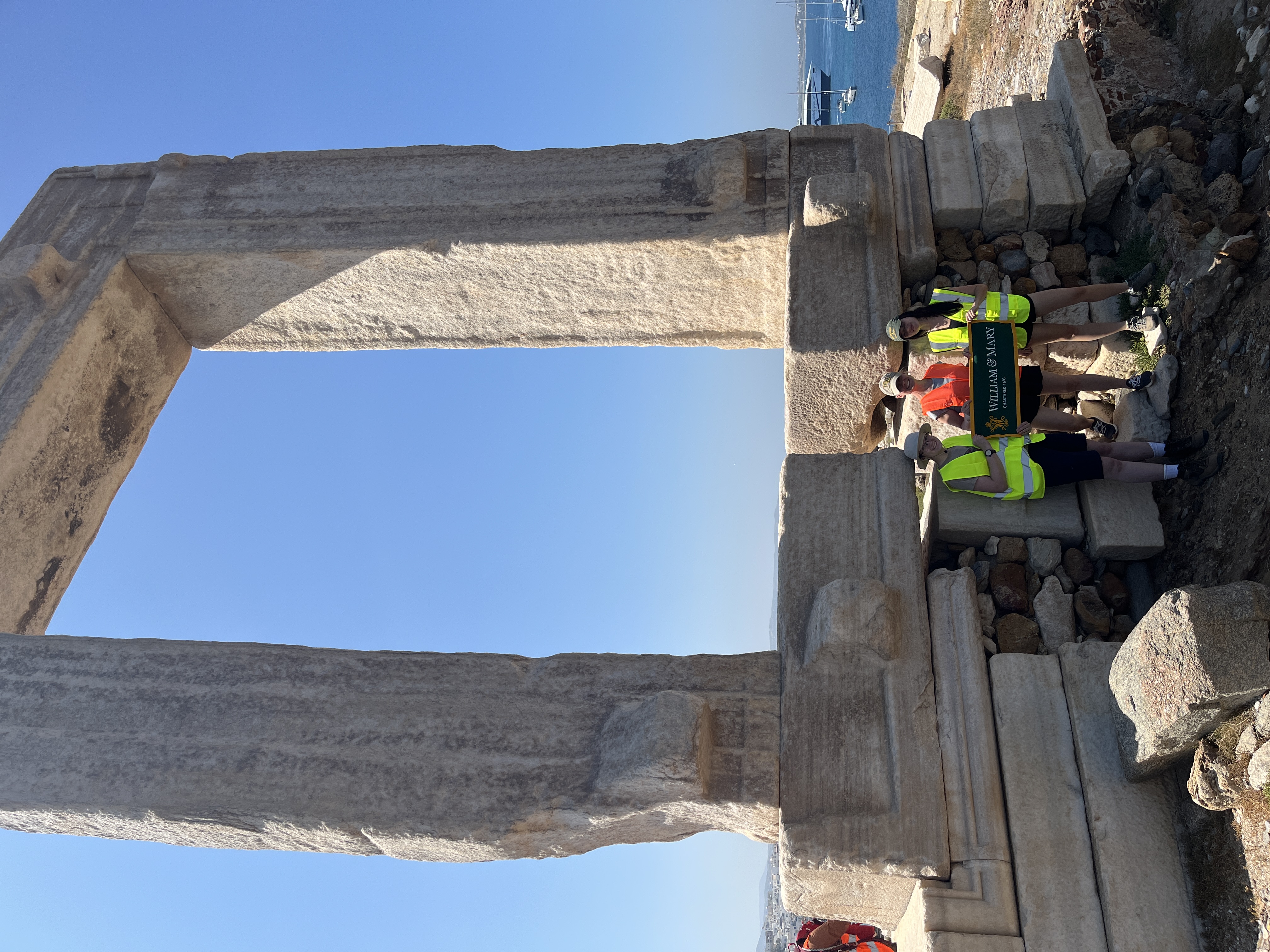
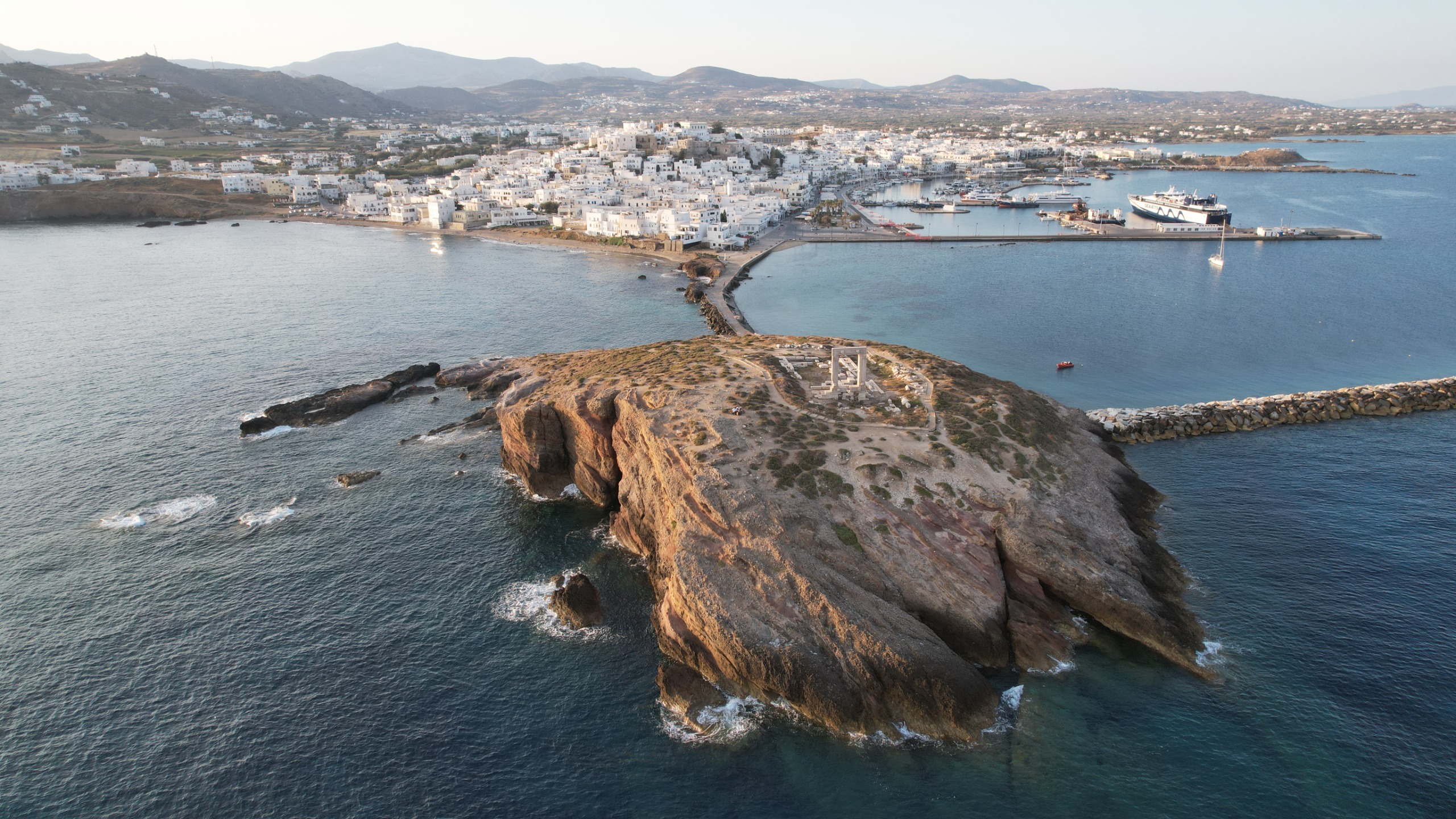
The team’s primary goal was to study and document an abandoned monolithic marble block in the island’s Melanes quarry (aka “the monolith”). The monolith is a large-scale marble rectangular block, currently in secondary use in a field wall. The NQP team aimed to address these questions through careful analysis of the block in the quarry, as well as comparative study of architectural members preserved at the unfinished Ionic temple on the Palatia islet (known as the "Portara" temple)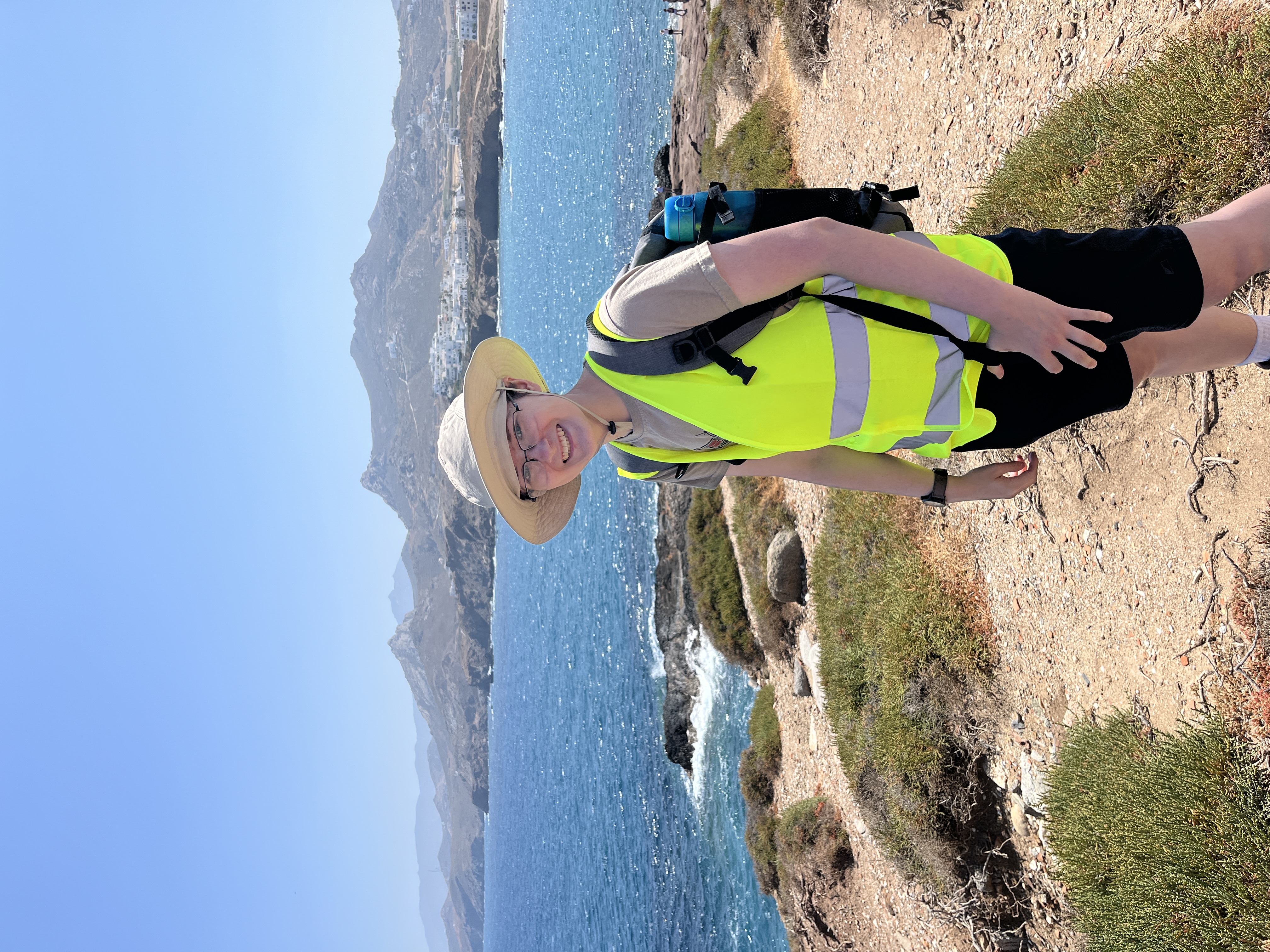
The NQP team has established a multidisciplinary method for quarry documentation that includes both traditional and more cutting-edge techniques. On-site autopsy and hand measurements led to the creation of scaled technical drawings, while drone and aerial LiDAR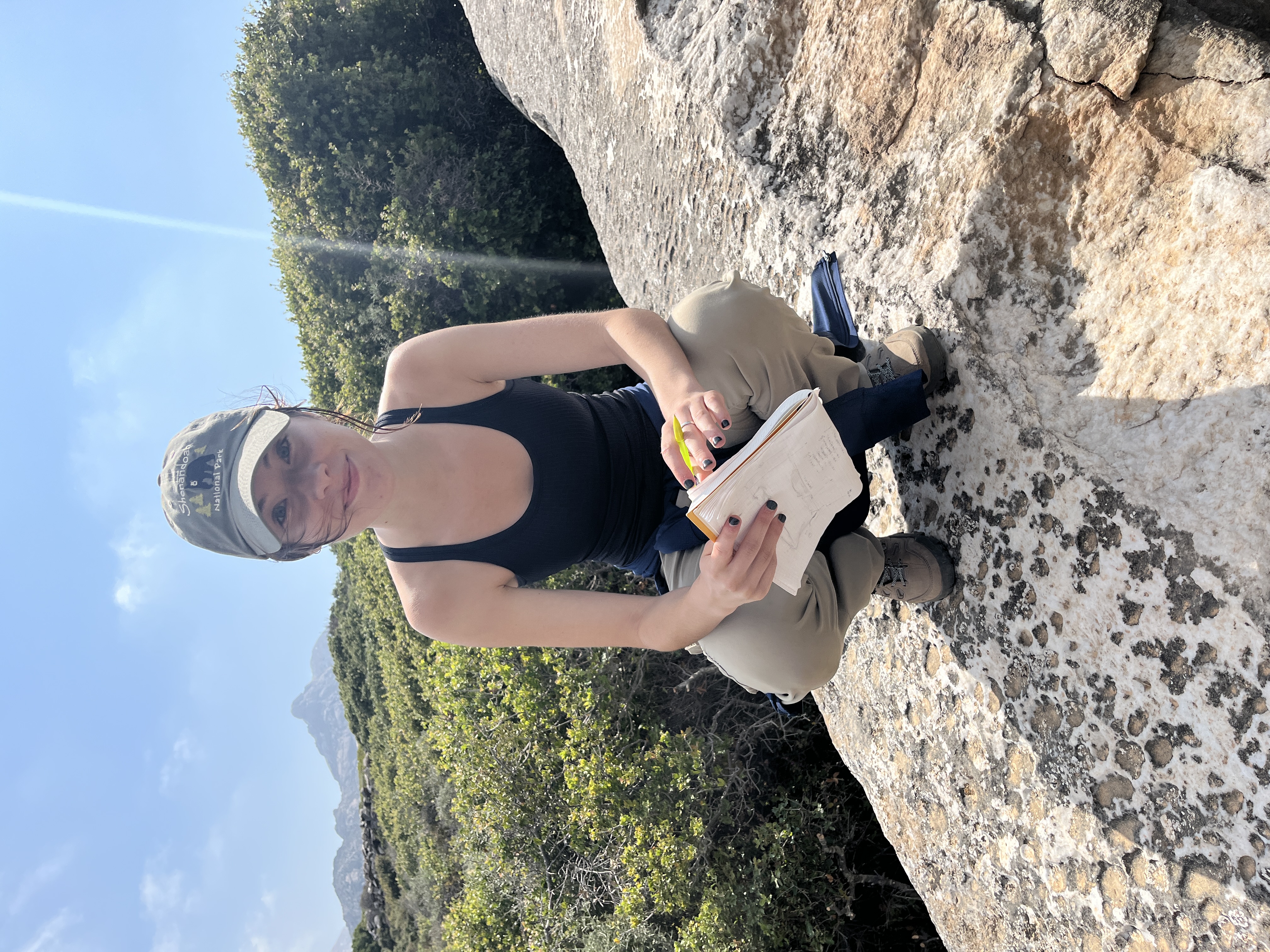 with geolocated orthophotographs facilitated the creation of photogrammetric models and digital elevation models. The combination of these approaches resulted in a holistic analysis of the monolith and allowed the team to fully contextualize the block’s biography, from quarry extraction point to abandonment, and to hypothesize as to the monolith’s original function and intended location.
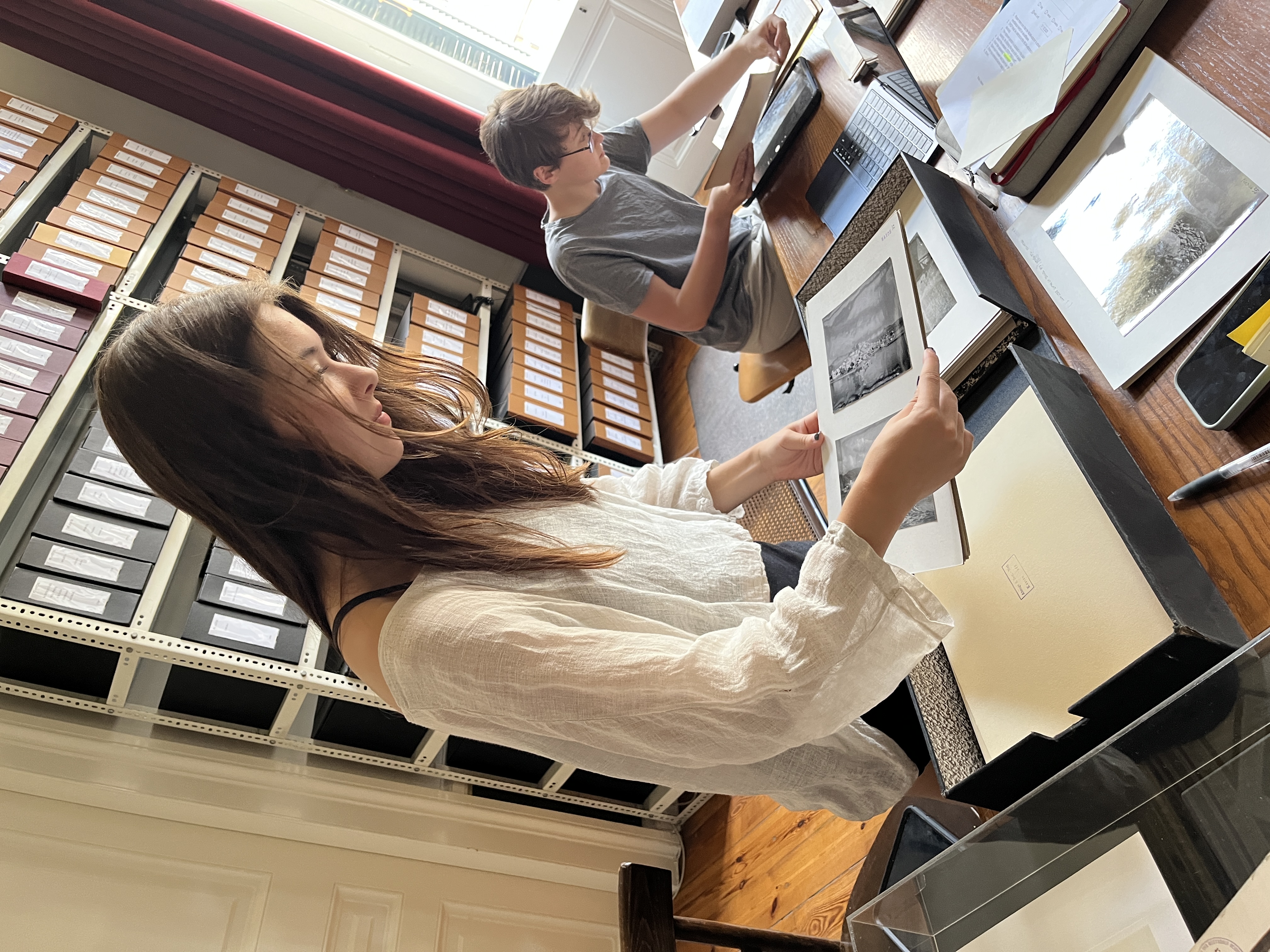
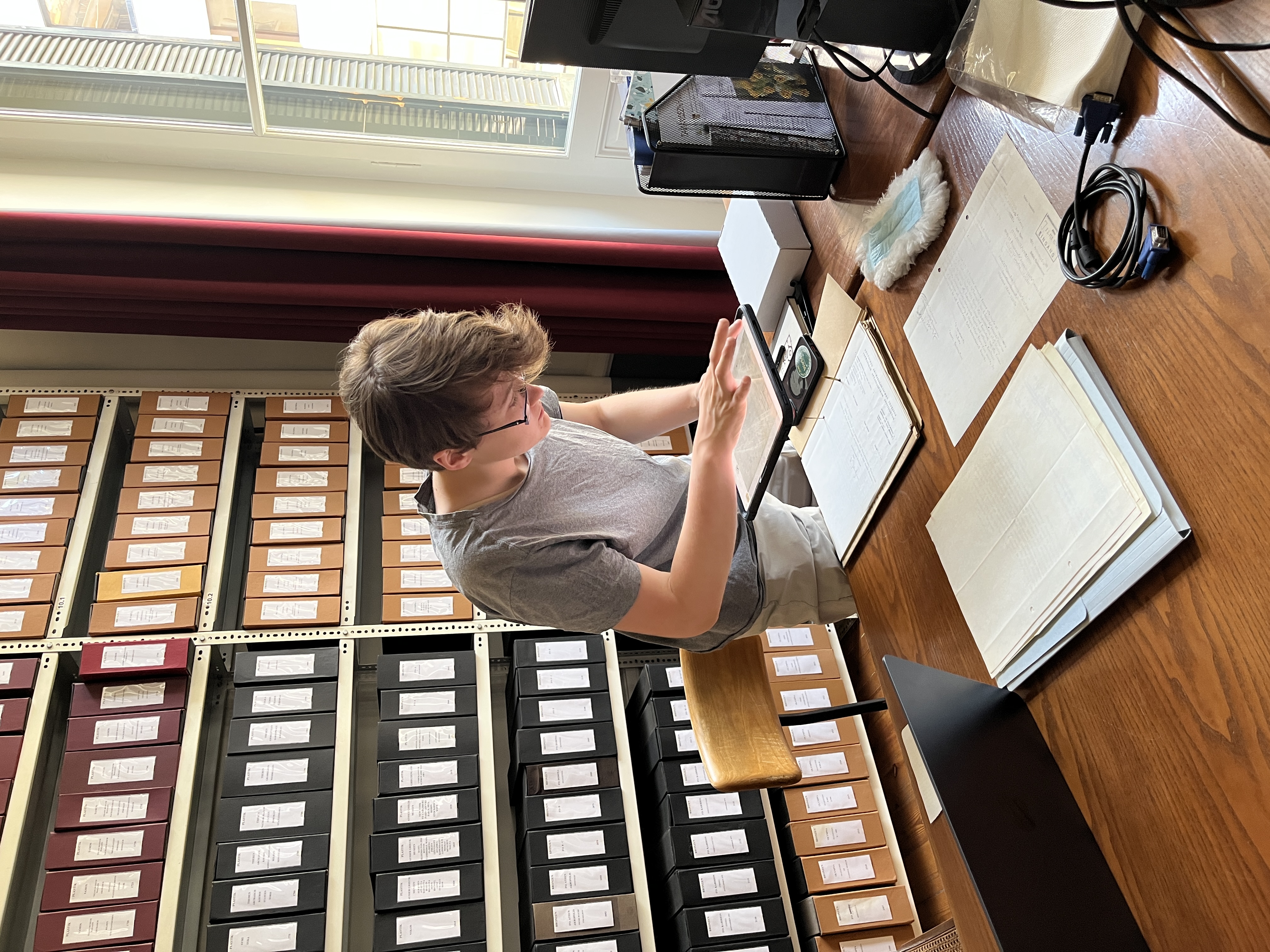
The two W&M students, Maya and Devon, fully participated in all aspects of the project. Under the guidance and instruction of the senior scholars and specialists, they learned how to take measurements by hand and create scaled drawings, how to create photogrammetric models using iPad Pros, how to use GIS tools to render maps and plans, and even how to fly the drone. Whilein Athens, they were able to use the libraries of the American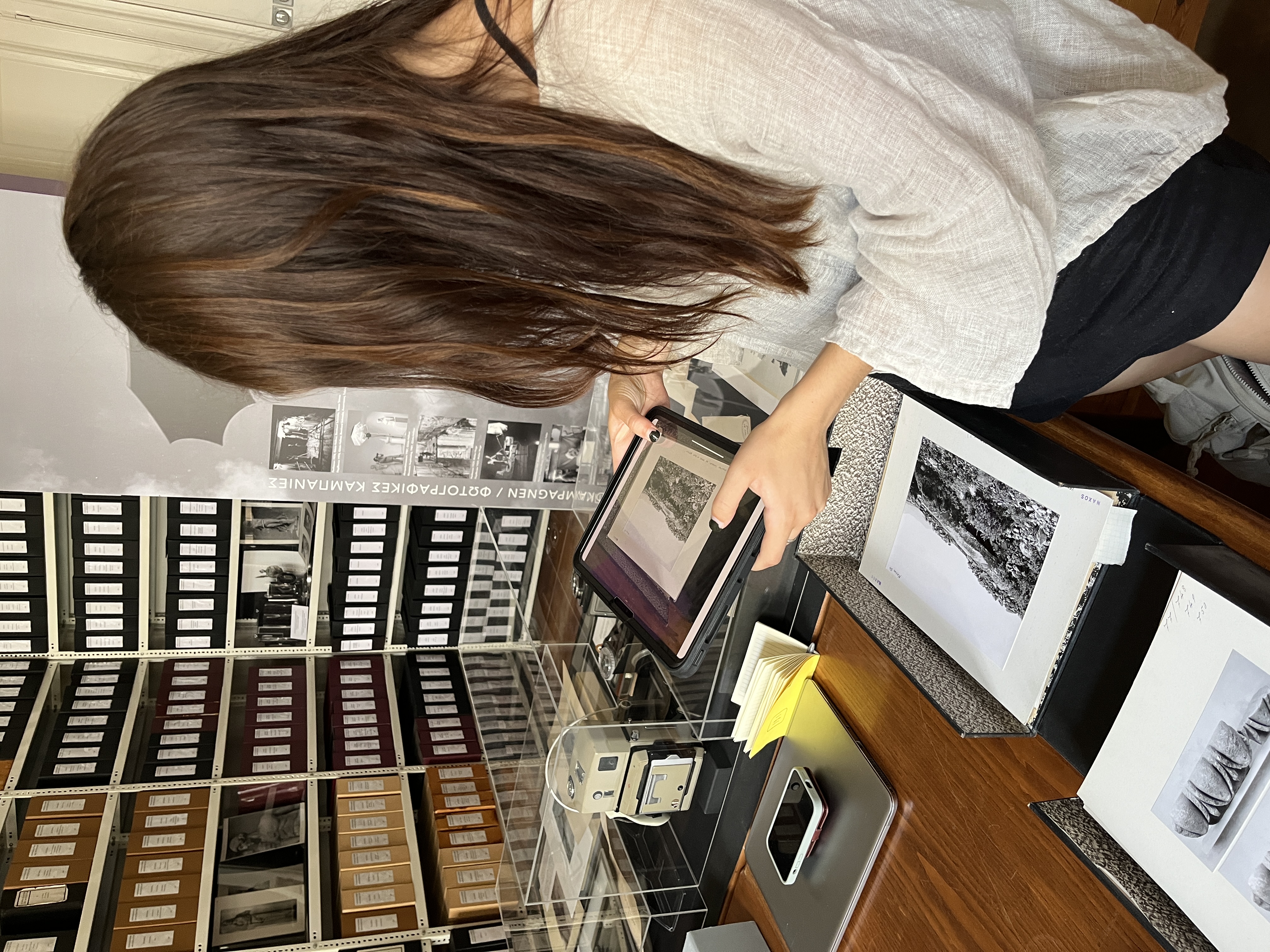 School of Classical Studies inAthens and the German Archaeological School, and combed through archival notes, letters, andphotographs relating to earlier investigations of Naxos from the 1880s-1970s. They wereinvaluable members of the NQP team and contributed meaningfully to the study of the block andits forthcoming presentations and publication.
The team graciously acknowledges funding from: The Hogan Fund, The Keiserman Family
Fund, The Reves Center, and the W&M Department of Classical Studies. NQP is a collaborative
project of the Ephorate of Antiquities of Cyclades, Greek Ministry of Culture and Sport.