 Skip to main content
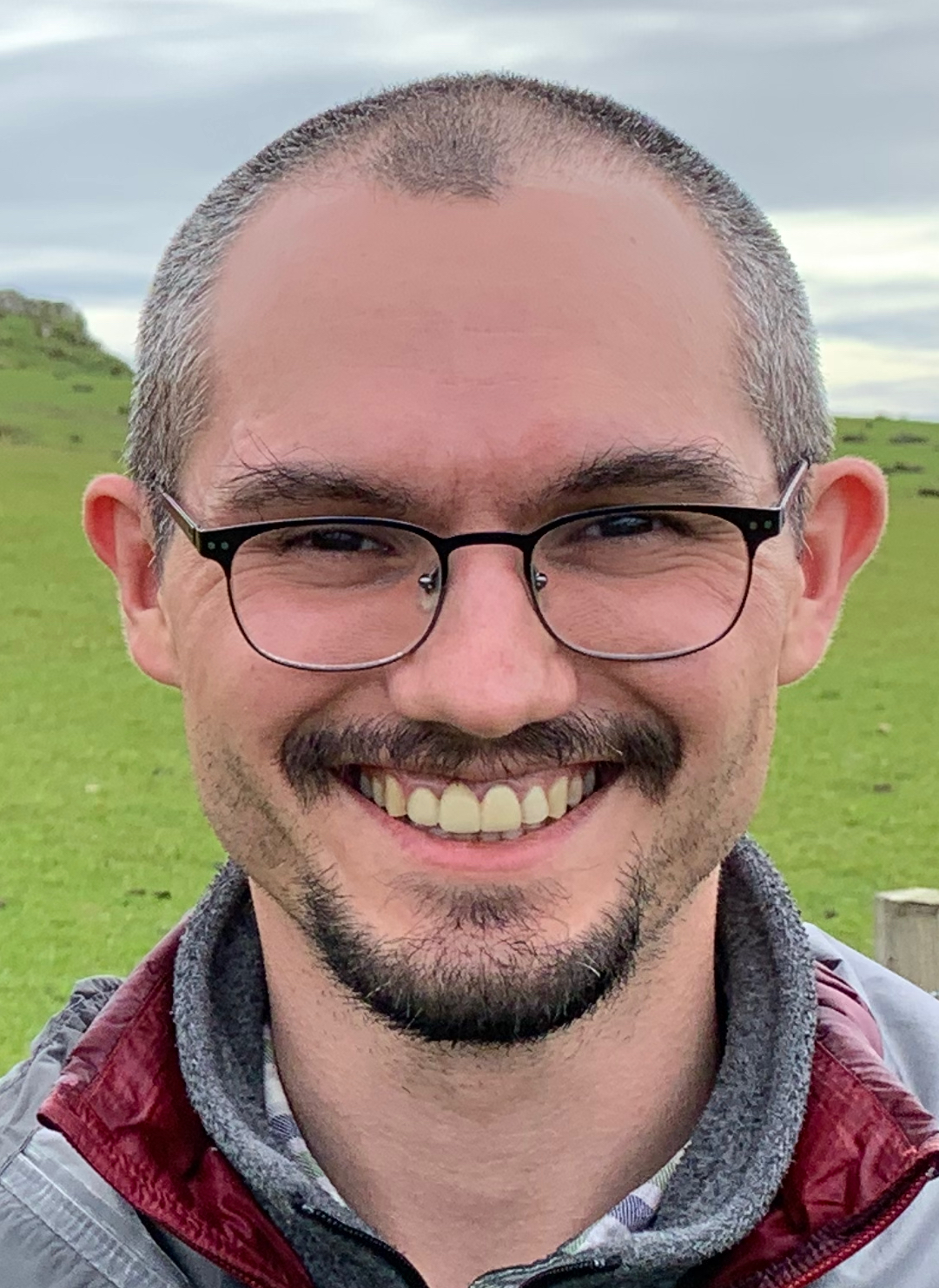
Interview with Sam McVane '11
 What is your graduation year, and did you have a double major?
2011. Yes, I double majored in Classical Studies and Philosophy.
Can you tell us a little bit about your experience at William & Mary? What drew you to Classical Studies?
My time at William & Mary was one of the best experiences of my life. I got to pursue what interested me while learning from some of the finest teachers I’ve had the privilege of knowing, in particular, Professor Donahue, Professor Hutton, and Professor Panoussi. I came to W&M already interested in Classical Studies, having taken Latin since 7th grade, but at first I was “pre-med.” Yet these professors and my classes (small and intimate in size and filled with interesting people) made me decide to pursue Classical Studies as a major.
What are you doing now and what is your favorite thing about your job?
I am one of the Directors of the Advanced Placement (AP) Latin course and exam at the College Board. My favorite thing about my job is that it gives me the opportunity to use my training in the Classics on a project that shapes the experiences of thousands of students across the world and that it gives me the opportunity to work with many high school AP teachers and Classics faculty from across the country to do it.
How has your experience studying the ancient world helped you in your career?
Obviously all of the content knowledge and language skills I learned in my studies are an integral part of my job in developing the AP Latin course and exam. But more generally, studying the ancient world, and ancient languages and philosophy in particular, helped me to develop (1) a habit of careful thinking and an attention to detail while still keeping in mind the larger whole that all the details constitute, and (2) the ability to learn. That is, in my studies, I learned how to approach new and unknown material (e.g. complexities of a language or philosophical arguments) in a way that allowed me to incorporate it into my broader body of knowledge. Over the seven years that I have been in the assessment world, the ability to learn on my own new material, processes, applications, and ways of working have been invaluable.
More broadly, how has that experience shaped you as a person?
I don’t want to oversell it, but the Classics changed me forever. In all seriousness though, in high school, my Latin teacher gave me Marcus Aurelius’ Meditations, one of the more famous works of Stoic philosophy. Ten years of higher education and a PhD in ancient philosophy later, I am a Stoic. My experience with the ancient world fundamentally shaped and continues to shape how I understand, experience, and interact with the world at every level.
What advice would you give a student who is interested in your field?
Construing my field in the broadest terms as curriculum development outside of a classroom, I’d say (1) get really knowledgeable in your subject of choice, ideally up to a doctorate degree and (2) plan on teaching for at least a few years before moving into curriculum development. But, if I may, I’d actually advise a student not to be too set on any particular field. The world changes, your life changes, and you change. High-school Sam didn’t dream of doing test development, but I love it. Right now, find what you’re interested in and good at and develop those skills. But, more importantly, learn how to develop skills in general and foster an attitude that enjoys and can find meaning in doing good work, whatever it may be. This sort of flexibility and state of mind will serve you well wherever life takes you and better than perfect preparation for a field that, for reasons both in and out of your control, may not end up being right for you. (And Classical Studies is exactly the sort of thing that can help in this!)