A fire alarm system consists of a number of devices working together to detect and alert people through visual and audio signals whenever smoke or fire is present. Smoke detectors or heat detectors may activate these alarm signals. They may also be activated manually via fire alarm activation devices, such as call points or pull stations.
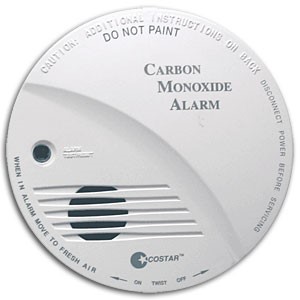
If a fire breaks out in your building, you can expect the smoke to spread rapidly. The fire alarm system gives you the time you need to get out. Notification devices, such as a flashing light, strobe light, electromechanical horn, or "beeper horn," provide both visual and audible alarms to alert occupants to the need to evacuate or take action in the event of other emergencies. At William & Mary, fire alarm evacuation signals typically consist of a standardized audible tone accompanied by visual notification in all public and common-use areas, as well as resident apartments. The emergency signals are designed to be distinct and understandable, thereby avoiding confusion with signals from devices such as carbon monoxide detectors or alarm clocks.
Do you know more than one way out of your building?
Check your building evacuation map for exit routes! Residence Hall occupants should ensure they know the location of their muster point.
Safety Tips
- Never assume a fire alarm is a false alarm. Evacuate immediately.
- Alert others as you exit the building.
- Close doors as you pass through them to help contain the fire.
- Proceed directly to the predetermined muster area, 100 feet from the building.
- Inform emergency responders if anyone else inside the building needs assistance.
- Remain at the muster area until the FD or PD gives the all-clear.
- Emergency Numbers: W&M Dispatch (757) 221-4596 or 911
Planned Fire Drills
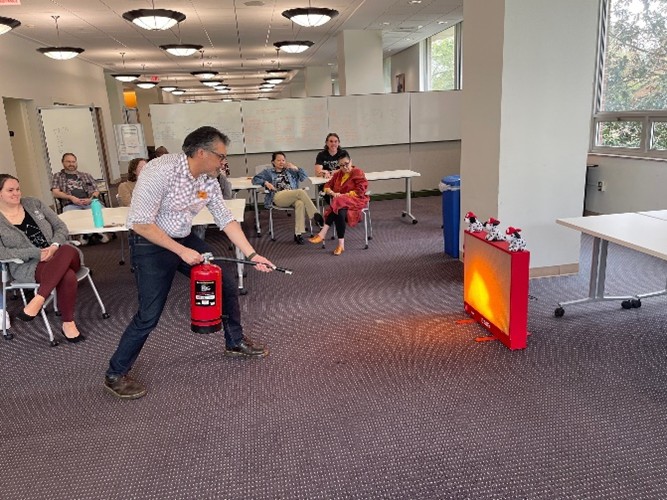
The goal of workplace fire drills is to familiarize employees with emergency procedures and the location of means of egress components provided within the facility. A fire drill is a tool that we use to ensure that students, staff and faculty react properly in the event of an actual emergency.
The frequency of a fire evacuation drill depends upon the classification of a given building. The drill schedules we generally adhere to are:
- Residence Life Halls: Once per semester (4 times a year).
- Academic and Administrative Buildings: Once per year.
- Child Care Center: Once every 30 days.
Fire evacuation drills are conducted unannounced and at scheduled times when we anticipate a high number of occupants will be inside the building. Special consideration is given to high-stress times, such as exams or extensive research, that would be interrupted should alarms be activated. We discuss the drill results with the occupants at the muster point, then record the results and use the data for various applications, such as trend analyses, training development, and revisions to policies and procedures.
 Skip to main content

 All debris must be cleaned by the close of business the following day.