 Skip to main content
Studying abroad in Rwanda
A student reflection
 By Karena Richmond '26
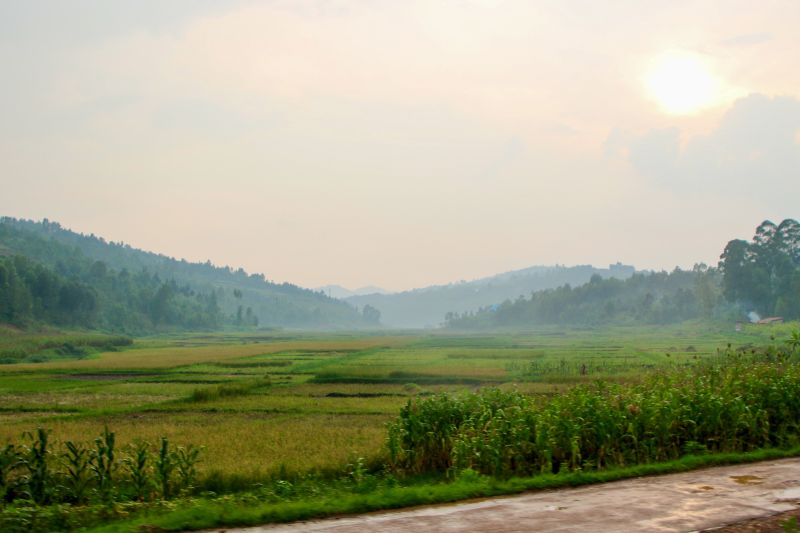
In January 2024, a dozen William & Mary undergraduates embarked on a winter study abroad program that promised to be unlike any other. We hailed from diverse backgrounds, academic disciplines, and hometowns, but were united by a shared destination: Rwanda, the "Land of a Thousand Hills." Our classroom extended across the nation, offering us an education steeped in the firsthand testimonies of the 1994 genocide against the Tutsis and the monumental reconciliation process that followed.
Rwanda’s history is marked by one of the most appalling genocides known to humanity, where hundreds of thousands of lives were brutally extinguished in a span of just a hundred days. This atrocity was fueled by deep-seated ethnic tensions, worsened by colonial legacies and political manipulations, creating a legacy of unimaginable horror. Yet, since those dark days, Rwanda has shown an astonishing resilience and progress. Memorials and judicial systems, such as the Gacaca courts, stand as testaments to the nation's unwavering commitment to healing and justice, alongside significant strides in education, technology, and community welfare.
Under the management by the Reves Center and the guidance of Professor Spencer Niles from the School of Education, our partnership with Aegis Trust immersed us in a transformative two-week experience. We explored historical and contemporary locations, listened at genocide memorials, and engaged in volunteer efforts and classroom dialogues that deeply shaped our understanding and empathy.
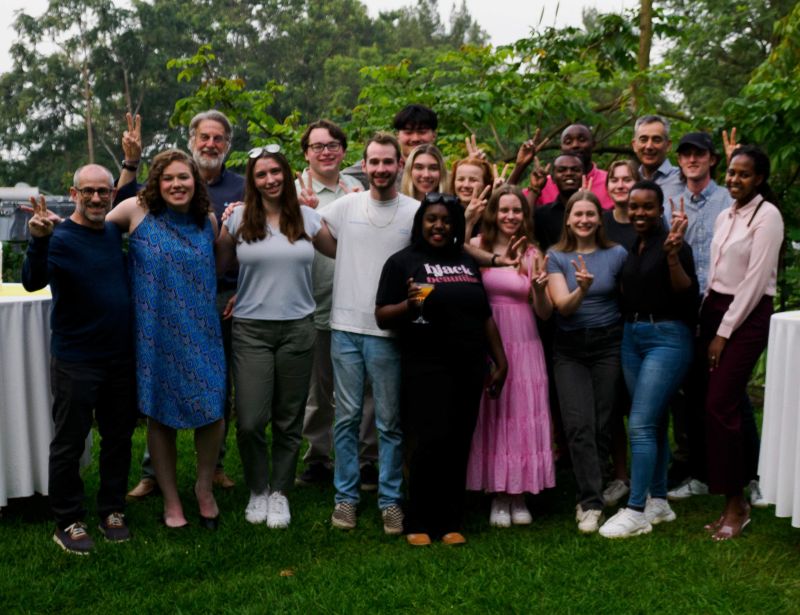
Our educational odyssey began in Kigali, at the poignant Kigali Genocide Memorial. Walking through its hallowed halls, absorbing the narratives and photographic depictions, was a sobering initiation. It was here that we began to grasp the size of the atrocities committed in 1994 and the incredible resilience of the Rwandan people. One student aptly noted, “I valued the group's support and the shared journey with peers facing similar emotions.” This camaraderie sustained us through poignant bus rides and late-night discussions by the hotel pool, where reflections deepened our appreciation for Rwanda's narrative of tragedy and triumph.
Our itinerary brimmed with profound encounters. We visited the Ntarama and Nyamata Memorials, once sanctuaries turned into scenes of horror, where the air still whispered the anguished cries of the past. The Reconciliation Village in Batima, where perpetrators and survivors live side by side, presented a profound testament to the power of forgiveness and community healing. Hearing stories of victimhood led me to a deeper understanding of the ethnic tension propagated by the 1994 government, and how perpetrators were themselves victims of hatred born out of ignorance. We listened to firsthand accounts from residents, their stories of reconciliation and forgiveness leaving an indelible impact on our hearts and minds.
Peace education was a central theme throughout our trip. We attended lectures and workshops that emphasized the importance of empathy, critical thinking, and personal responsibility in fostering peace. The concept of ubumuntu, which means "humanity," was a recurring theme. It’s about showing compassion and kindness towards others, something we all pledged to incorporate into our lives. A highlight for many of us was the Community Service Day. We joined personnel from One Hope One Direction, a youth project started by Aegis Trust, and spent time with vulnerable children, playing (and losing) games and appreciating their incredible dance skills.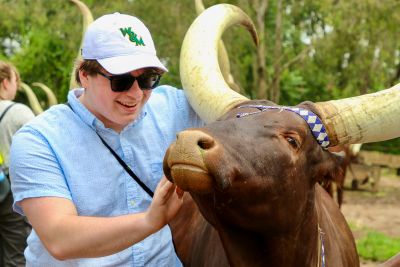
Our final days in Rwanda were spent in reflection and preparation for our Ubumuntu Projects, where we contemplated how we could contribute to peace and reconciliation in our own communities. We shared our personal reflections, culminating in a dinner honoring our Rwandan teachers and guides. Special thanks to Cynthia, Arnold, and Isaie, for their companionship and willingness to educate without judgment; Glen, for his ability to listen and composure; Eric, for his photography skills and ability to sleep through our chatter; Mark, for his humor and storytelling; and finally, Egidia, for her guidance, organizational prowess, and kindness. Without any of you, the trip would not have been the same. Thank you.
Returning home, we carried not just memories but a renewed purpose and profound insights into forgiveness and resilience. Rwanda was more than a destination; it was a transformative encounter that continues to shape our lives and aspirations. This journey to Rwanda was more than a study abroad program; it was a life-changing experience that has left an indelible mark on each of us, reminding us of the power of humanity, the importance of peace, and the enduring strength of the human spirit.
[More information about W&M winter programs, including the one in Rwanda, is available online.]