 Skip to main content

Undergraduate presentations showcase the impact of integrative conservation research at William & Mary
Could mountain lions help reduce Lyme disease risk in the United States?
It's one of many questions explored by students participating in William & Mary's Institute for Integrative Conservation's (IIC) Conservation Research Program (CRP). Through the year-long program, undergraduate students work alongside external partners and William & Mary faculty mentors to address real-world conservation challenges.
On Friday, Oct. 30, students presented their findings to an audience of in-person and virtual attendees.
The question of how mountain lions might contribute toward human health was posed by undergraduates Allison Hieb ‘28 and Alessandra Pezzimenti ‘28. Studying alongside IIC faculty member Heather Broughton and in partnership with the Alliance for Predator Exchange (APEX), Hieb and Pezzimenti investigated the relationship between predator-prey dynamics and Lyme disease prevalence.
“The research experience was transformative,” said Hieb ‘28. “We challenged ourselves, developed new skills and grew as researchers by working alongside our mentors and partners,” added Pezzimenti ’28. 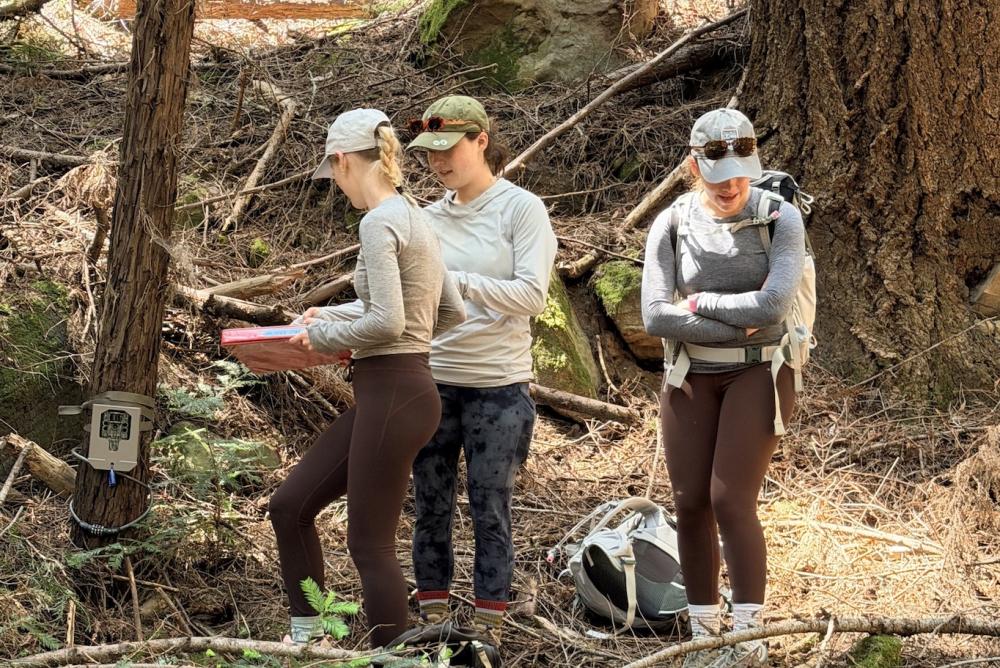
William & Mary undergraduate research develops science-based solutions in partnership with global conservation partners
This distinctive model of collaborative applied science begins with an invitation from external partners to the IIC to work together in developing innovative, culturally relevant solutions to their most pressing needs.
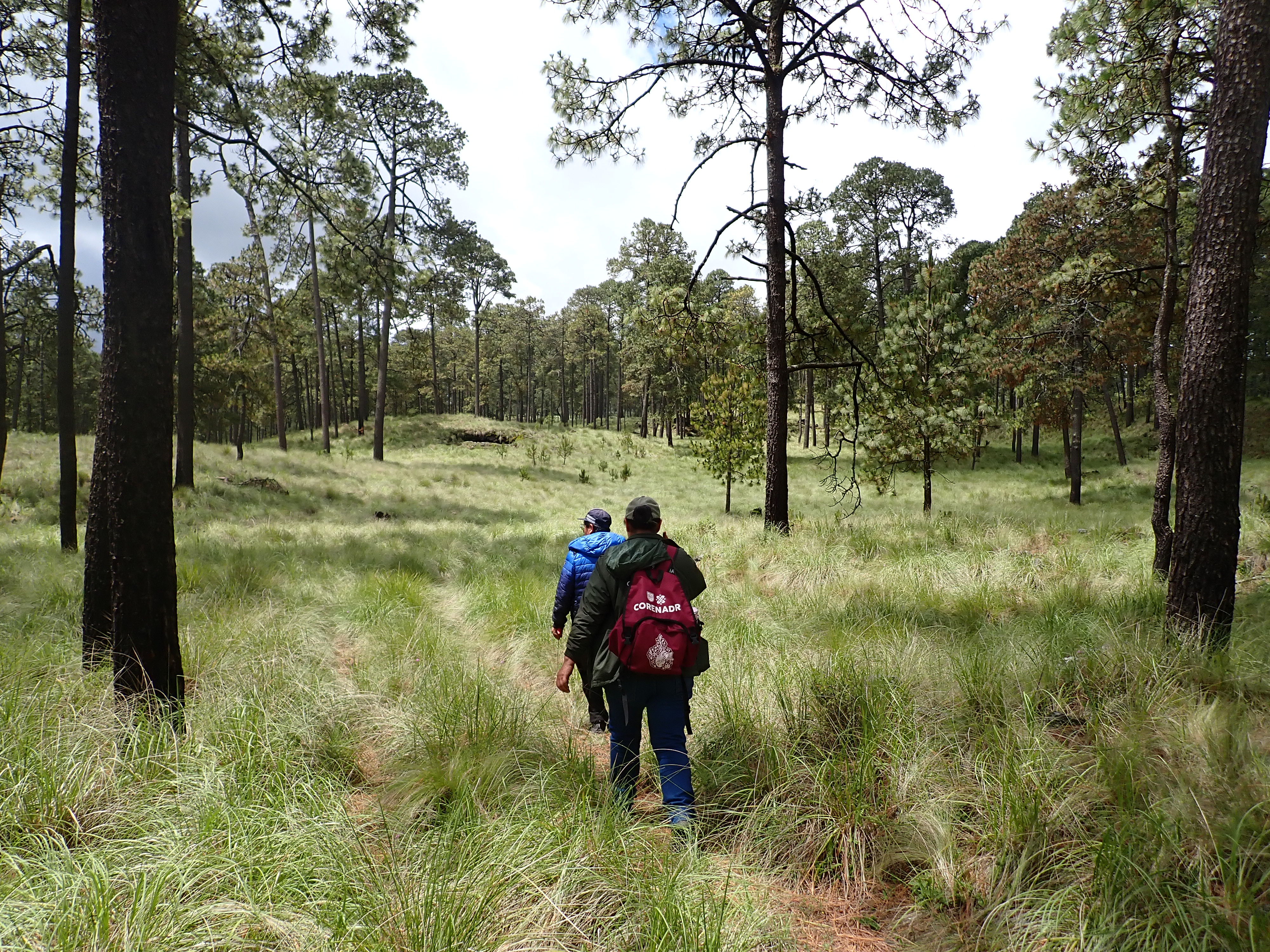
“When Evelyn and Katlen came here to work with us on our forest's mistletoe infestation, they also shared in the everyday struggles we face and exemplified a commitment to listening and learning,” shared Gabriel Martinez, coordinator of the Biological Monitoring Group of Milpa Alta. “We’re grateful for their scientific contributions and for making community science possible by working alongside us toward solutions that work for our communities.” 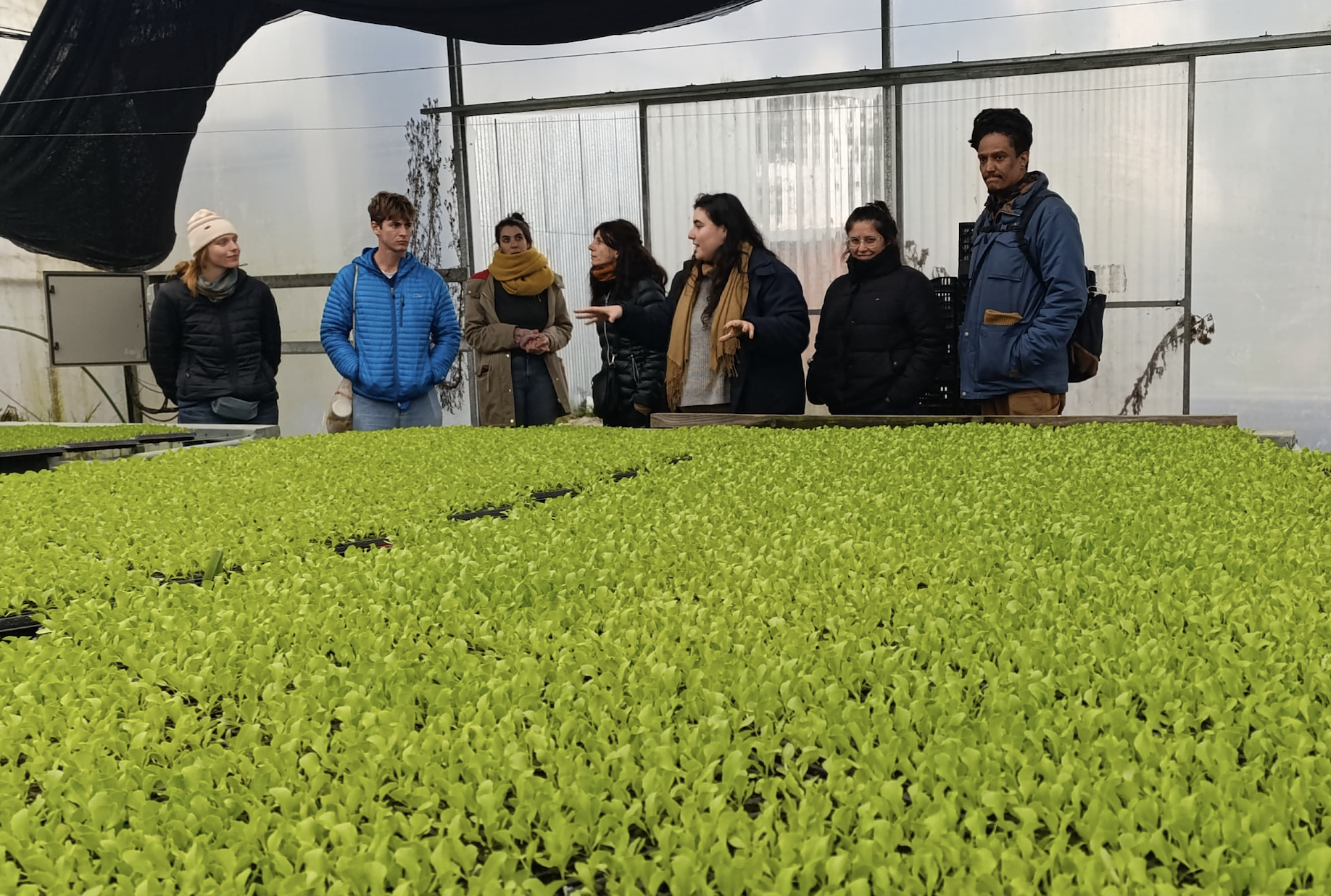
The 2026 CRP cohort brought together 23 W&M undergraduates, nine students and young professionals from communities where the research was conducted, 13 W&M faculty mentors representing departments and schools across the university, and 19 conservation partners. Together, they collaborated on 13 projects that leveraged academic expertise and local knowledge to inform conservation practices.
“It’s amazing to witness the collaborative process that brings this research to life and to see our students present it to the world. In addition to those in the room, we had parents, research partners, CRP alumni and members of our Conservation Catalyst Program attending virtually,” said Erica Garroutte, IIC director of research. “They were making connections between what the students presented and their own work in real time, exemplifying the broad impact these projects can have across the conservation landscape.”
Students and board members connect, shaping the future of conservation work
As students showcased the impact of their research, the IIC's newly established advisory board gathered on campus to explore the values, priorities and opportunities that will help shape the institute's future as a global leader in conservation science and biodiversity.
“Our board members represent a diverse network of leaders across sectors and industries,” said Rob Rose, executive director of the IIC. “They’re alumni, parents and community members with a shared belief in the transformative research and educational experiences at the heart of the IIC. They’ve seen what we can accomplish together to address the most pressing conservation challenges of our time. Now, they’re helping us build a growing community of supporters who share that vision and are committed to ensuring the IIC continues to thrive.”
Advisory board members also attended the CRP presentations, engaging with students and research partners on their collaborative work.
“What is clear to me is that when IIC students see a problem they run toward it,” said Vidya Krishnan, chief learning and belonging officer at TD SYNNEX and member of the IIC's advisory board. “Where others may become overwhelmed by the challenges we face in a changing world, these students choose to focus on possibilities and solutions. It's a testament to the quality of leaders the IIC cultivates, and it’s something to celebrate and champion.”
The day offered an opportunity to celebrate the impact of collaborative, applied research and the community of students, conservation partners and leaders that make this work possible. Together, this growing network will advance the IIC's mission of empowering leaders from around the world to create and deliver timely, innovative solutions to our most pressing conservation challenges.