 Skip to main content
From classroom to clinic: W&M students dive into research at Children’s National Hospital
Hospital work may lack the glamour of TV medical dramas, but for aspiring medical professionals, the operating room’s adrenaline rush is just as exhilarating.
“Going into the operating room for an SEEG [Stereoelectroencephalography] procedure, fully scrubbed up, was a very memorable experience…seeing it firsthand instead of just on TV,” said Vaishnavi Burra ’27.
This past summer, William & Mary launched a new internship program at top-ranked Children’s National Hospital in Washington, D.C. The internship gave Burra and a cohort of other undergraduate students the opportunity to conduct full-time research alongside physicians and scientists at one of the nation’s top pediatric hospitals. Children’s National leads cutting-edge research studies dedicated to advancing the knowledge, prevention, treatment and care of childhood diseases, ranging from cancer and blood disorders to autism, food allergies and epilepsy.
Burra worked under Dr. John Schreiber, head of the epilepsy department at Children’s National, to build a clinical database of seizure histories and genetic testing, while also shadowing patient visits. 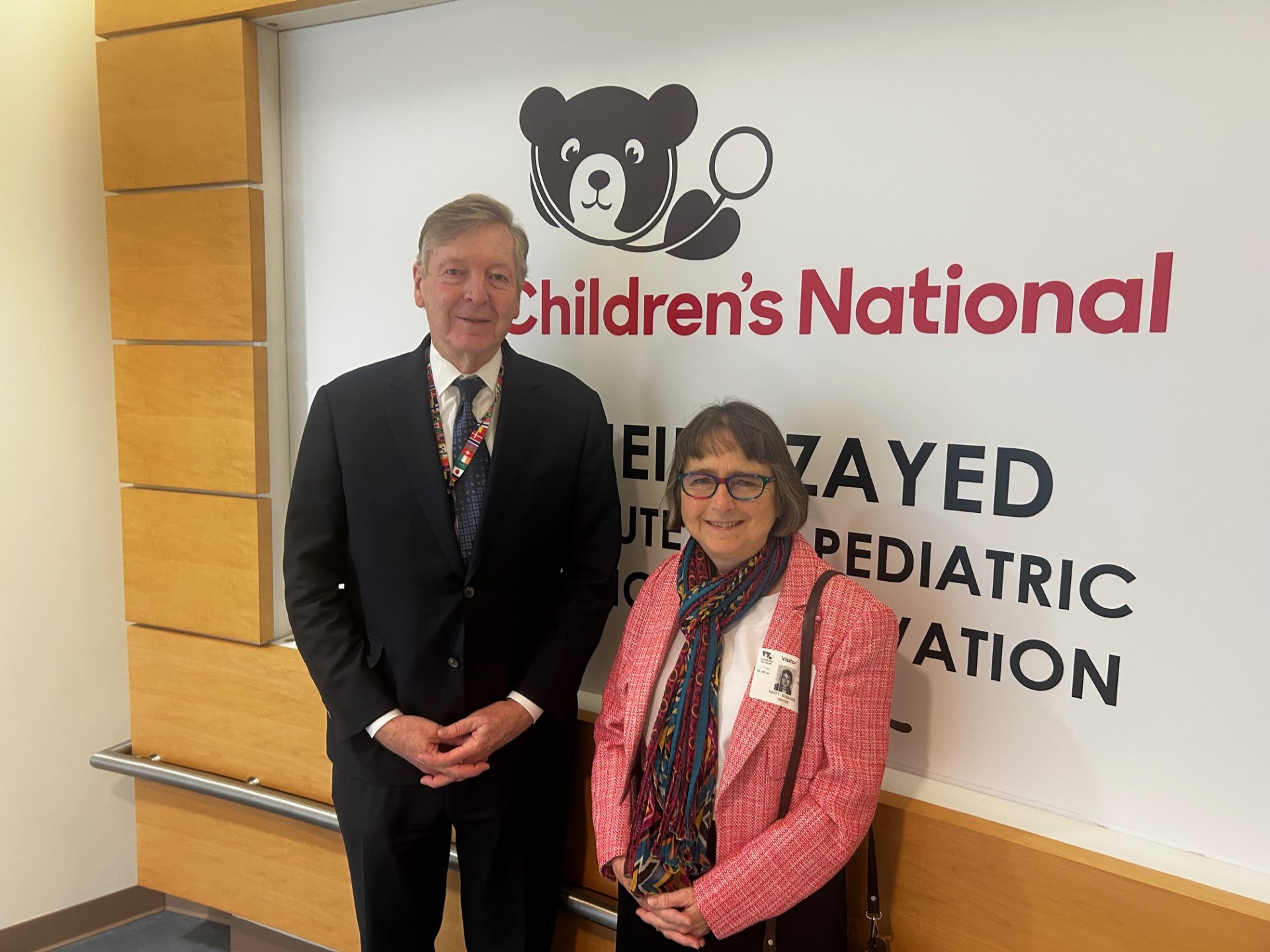
The 10-week program places W&M students in research labs across Children’s National, each supported with a $5,000 stipend. The partnership was made possible by W&M alum Dr. David Wessel ‘72, executive vice president and chief clinical officer at Children’s National.
“One of the great rewards of my work is watching young people learn more about the disciplines within healthcare that focus on research, discovery, innovation and improving outcomes for sick and injured children. When I spoke to the William & Mary students who spent time with us last summer, I was impressed by their energy and enthusiasm as they learned more about the topics that interested them,” Wessel said. “We have many William & Mary graduates working at Children's National and we greatly value the training and educational foundation provided by the [university].” 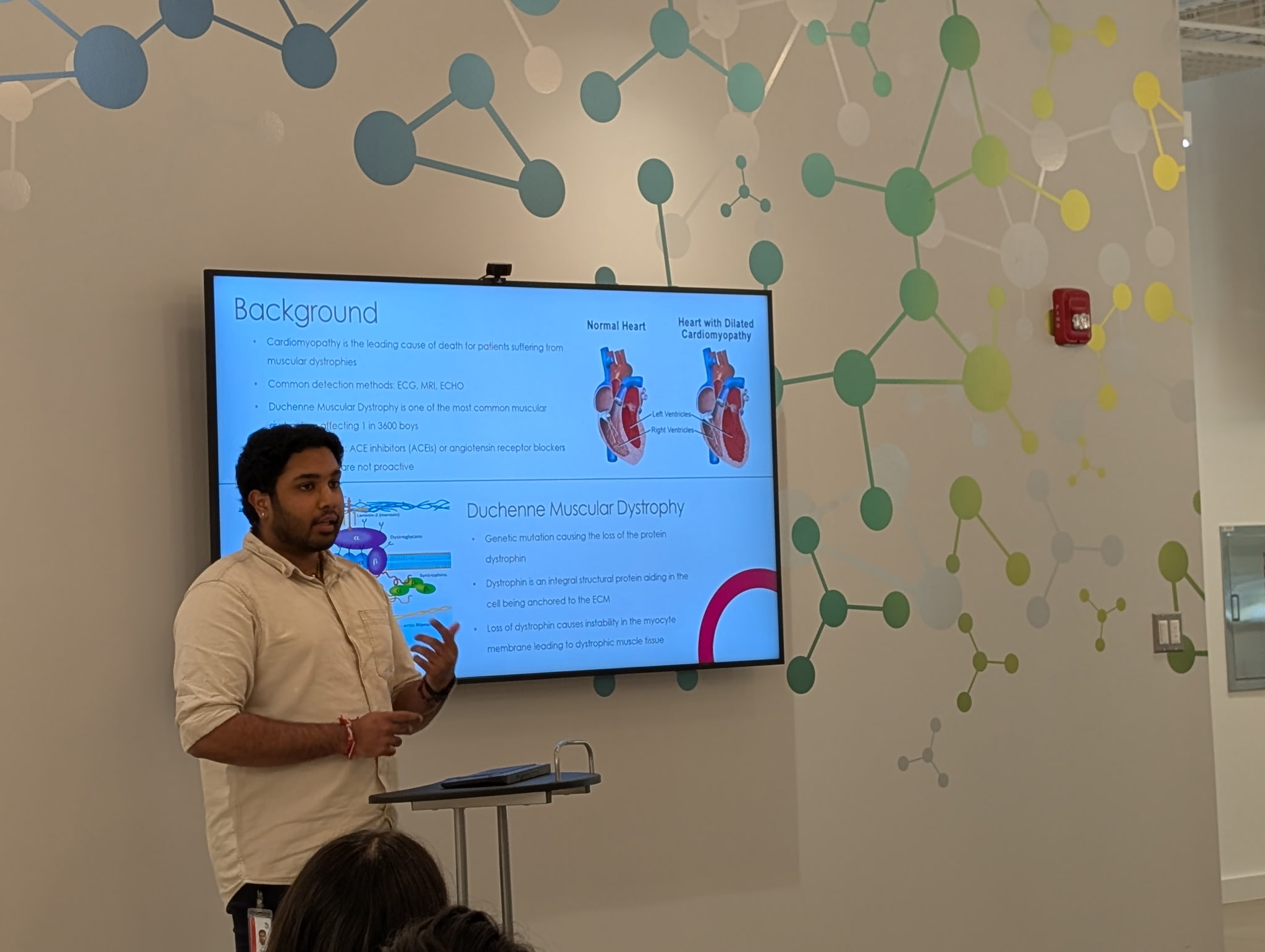
In addition to the hands-on learning experience, the program offered clinical hours and shadowing opportunities, granting students an early glimpse into medical practice and the translation of research. For many, such as Surya Narayanan ‘26, who spent his summer studying the cardiac effects of Duchenne’s muscular dystrophy and Dysferlinopathy, and Daniel Li ’28, who worked in the Center for Precision Medicine and Genomics Research developing antisense oligonucleotides as a potential treatment for skeletal disorders, the internship was transformative.
In its inaugural summer, the program attracted strong interest from students representing a wide range of disciplines and career aspirations. While the program is open to all students, most are pursuing pre-medical and health-related careers.
“We’re deeply committed to offering students meaningful, real-world learning experiences that enrich their academic journey,” said Suzanne Raitt, dean of the College of Arts & Sciences. “This partnership allows students to gather valuable insights into patient care, decision-making processes, and the complex dynamics of working within the healthcare system. Experiences such as these are vital for producing competent, compassionate and adaptable healthcare professionals.”
Aafreen Ali ’26, a neuroscience major with a public health minor, dreams of working in pediatric medicine. This summer, she worked at the Sheikh Zayed Institute for Pediatric Surgical Innovation under Dr. Ioannis Koutroulis, studying sepsis in children.
Her summer project focused on training an artificial intelligence model to help physicians diagnose septic infections. Much of her time was spent examining brain tissue after infection and mapping neuronal changes with tissue stainings. 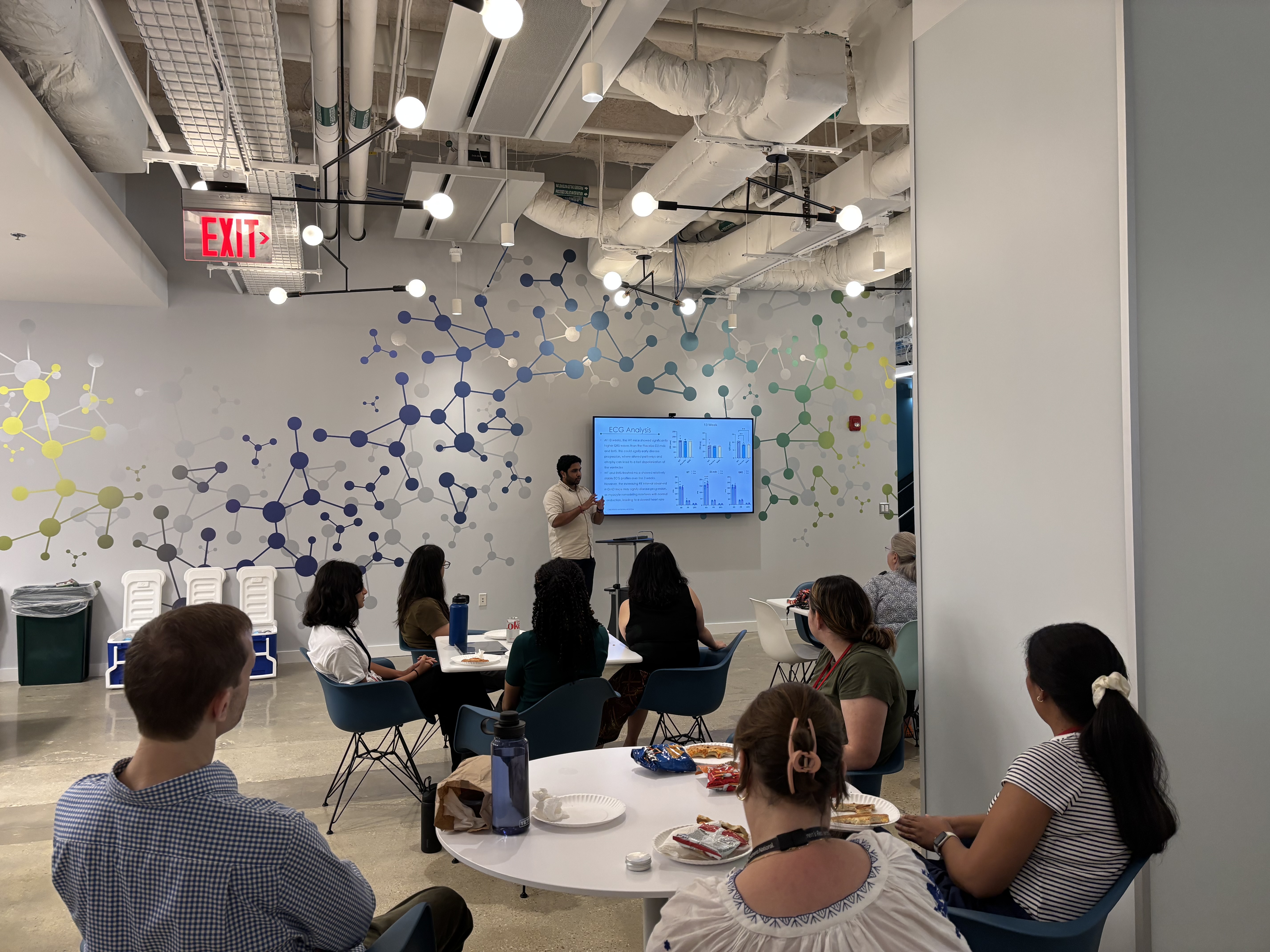
Ali highlighted the collaborative environment that her internship fostered. “Learning how to collaborate in a professional setting has been important because I didn’t realize how interdisciplinary it gets until I was kind of thrown into the midst of it,” she said.
Helagenet Hailu ’26, a computational & applied mathematics & statistics major, was pushed out of her comfort zone in Dr. Ljubica Caldovic’s Urea Cycle Disorder Lab, where she used computational tools to study enzyme duplications.
“When I first got my project, it was three pages long and I was completely lost,” Hailu recalled. “But over time, I was able to get through the steps, and by July I was teaching undergrad volunteers how to do some of these commands.”
Hailu also had the opportunity to work with a developmental pediatrician at the Rare Disease Institute and develop a shadowing program for students interested in pediatrics and rare disease medicine. The first cohort ranged from high school students to postgraduates.
For Julianne Abenoja ’26, a neuroscience major, who researched astroblastoma in the Rare Brain Tumor Lab, led by Dr. Adriana Sheridan, the weekly clinical hours spent shadowing her supervisor deepened her sense of purpose and passion for the field. 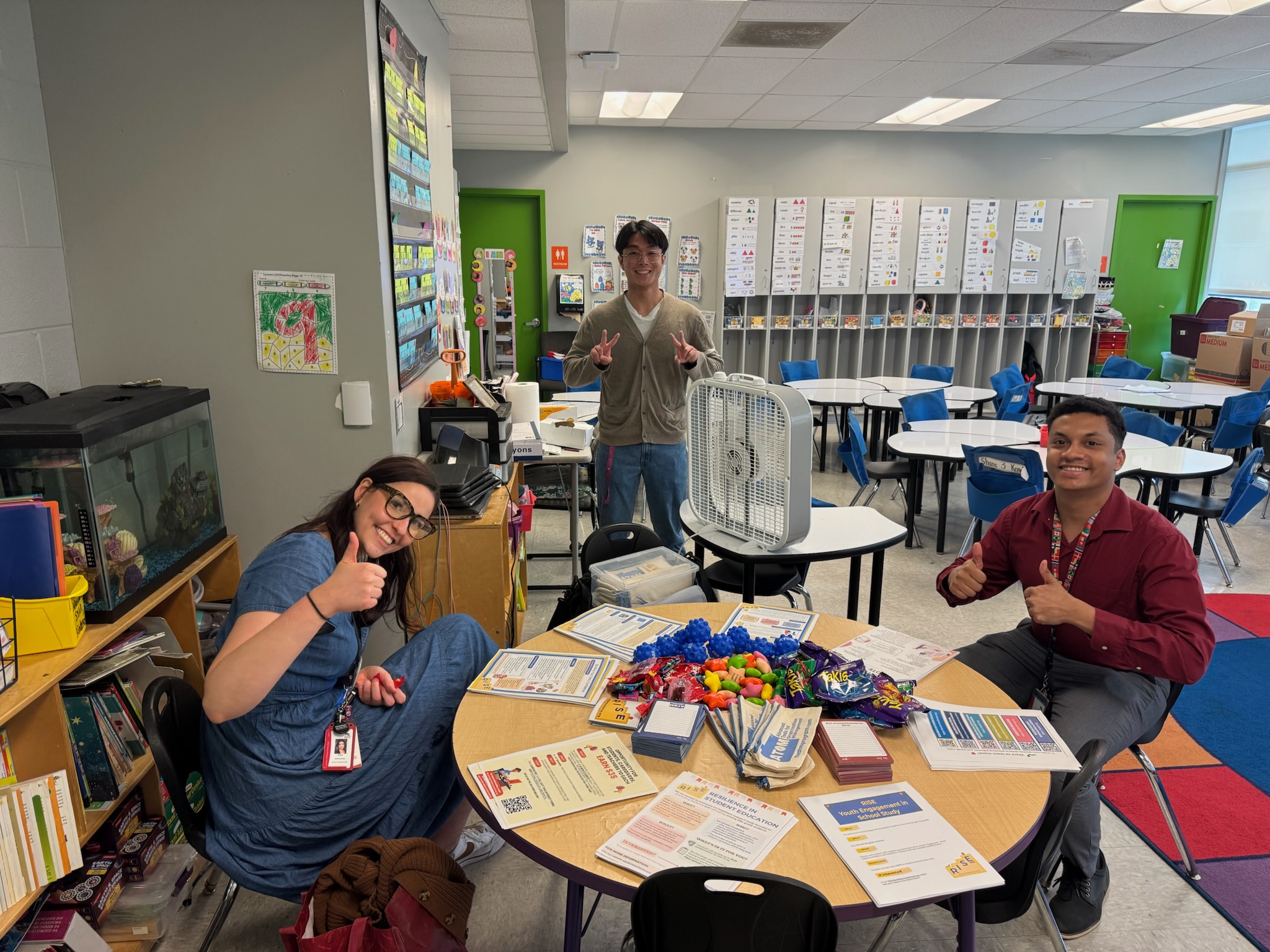
“I’ve never observed pediatric medicine before, so seeing [Dr. Sheridan’s] compassion with patients and families was a totally different experience,” Abenoja said. “It makes it a lot more meaningful, being able to put human faces to the cells I’m working on in the lab.”
A series of school visits across Washington, D.C. left a lasting impression on Elijah Suk ’28, who worked alongside Dr. Melissa Dvorsky in the ADHD and Learning Differences Lab. “During the school year, we went to mental health fairs at D.C. schools. I saw stark socioeconomic differences between quadrants of the city,” he said. “What stood out was how dedicated the teachers and social workers were. They really take their roles seriously, and that gave me a lot of hope for our children’s future.”
With its combination of research, clinical exposure, and mentorship, the W&M–Children’s National partnership is already opening doors for undergraduates considering futures in health and science and inspiring them to imagine what comes next.