 Skip to main content
Ethan Stewart ‘25 breaks barriers to environmental research
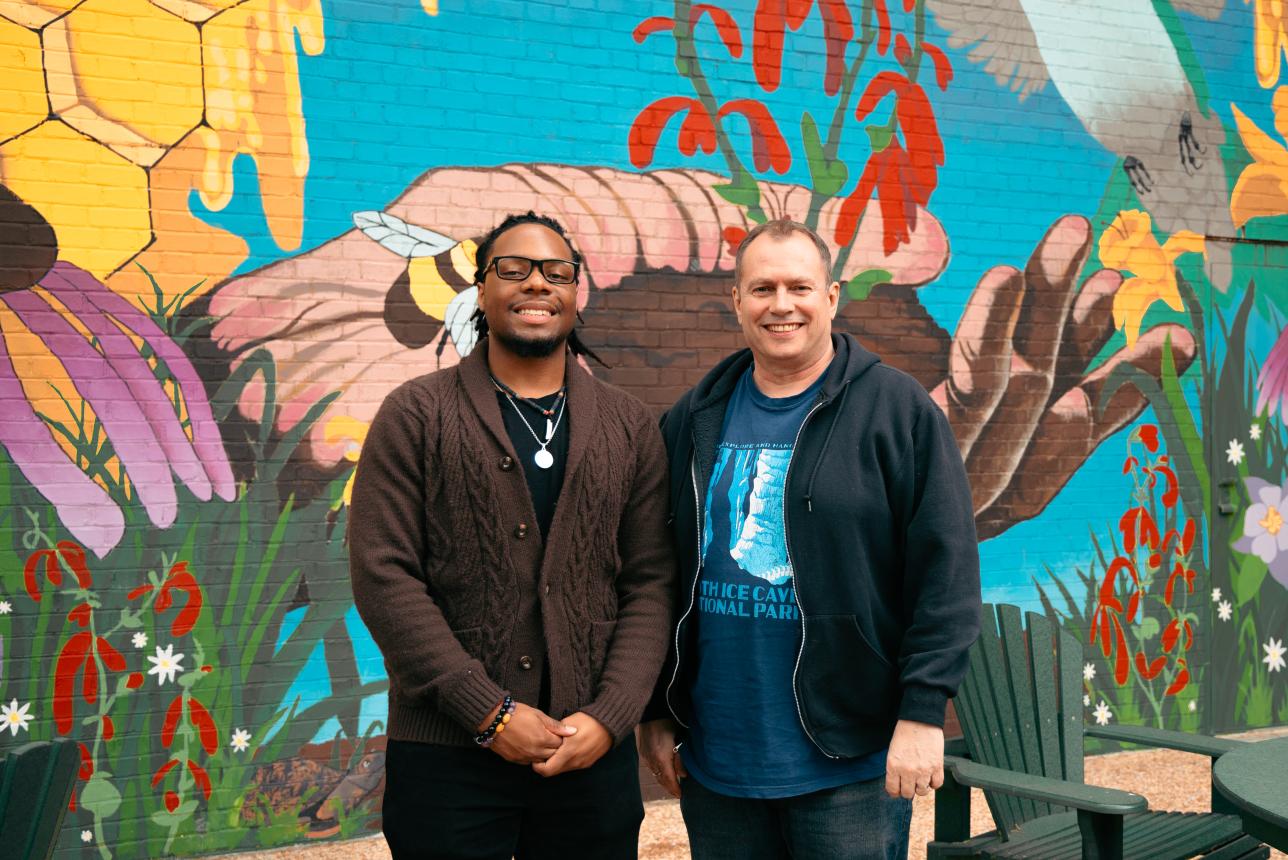 As William & Mary launches its Year of the Environment, Ethan Stewart ’25 is breaking boundaries through research that identifies — and helps overcome — obstacles to environmental research.
A biology and environmental science double major and WMSURE scholar, Stewart recently presented his honors thesis on systemic barriers to participation in environmental research. His thesis explores the causes of these disparities and ways of creating programs that encourage any interested student to participate in conservation-related fields on campus.
“The environment is not something separate from us, it is actively part of our everyday lives as beings of nature,” said Stewart. “I want people to understand that they have a right to explore, to exist, to educate themselves on how the world works and to be involved in it.”
Stewart’s initial inspiration to explore the topic came from his experience working on coastal geology research at the Batten School of Coastal & Marine Sciences & VIMS during the summer after his first year.
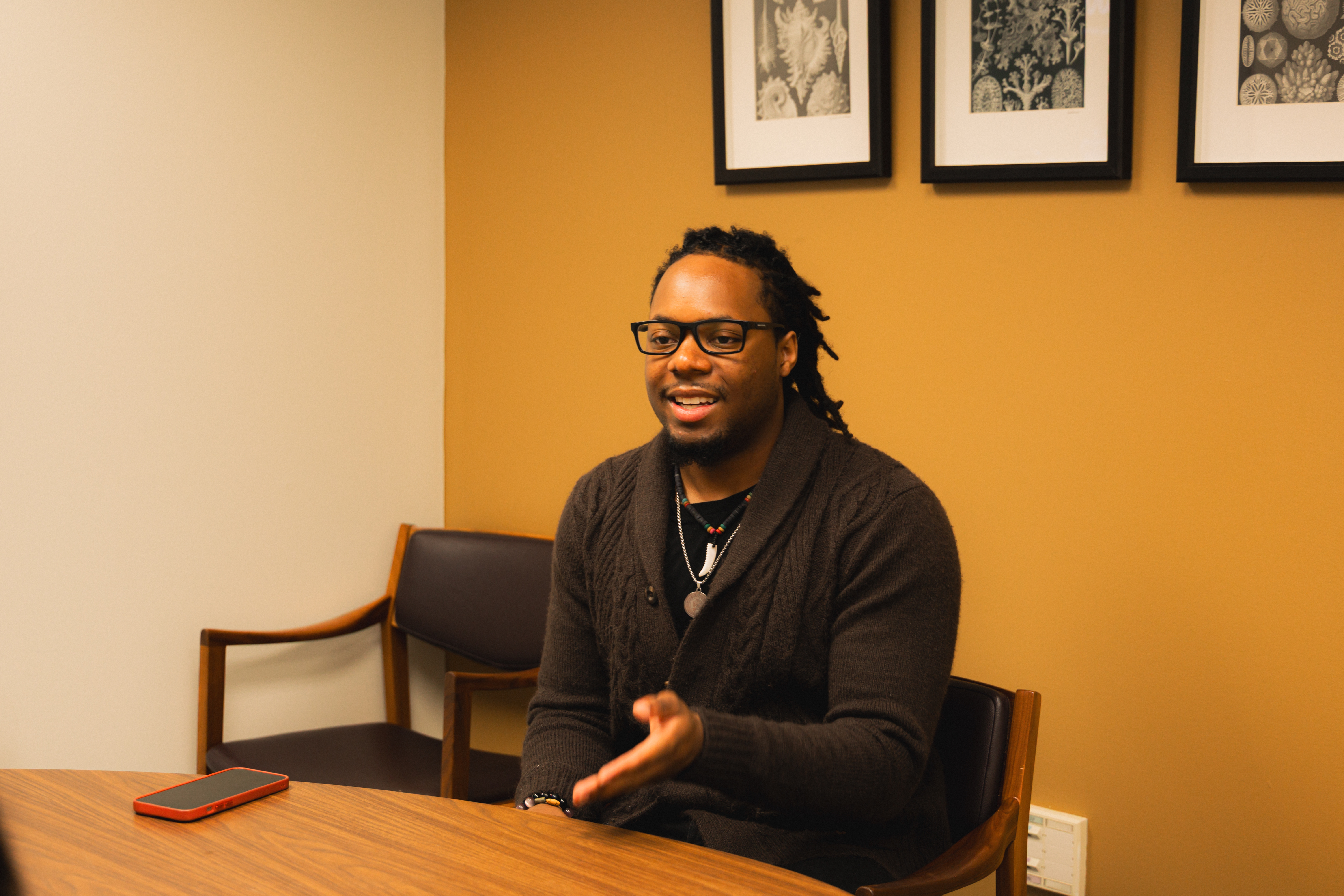 Stewart's efforts to expand his chosen field aligns with William & Mary's goals of increasing access to the university while creating new pathways for career success, as outlined in the university's Vision 2026 strategic plan.
During his research process, Stewart conducted a variety of interviews to identify barriers that prevent many individuals from coastal areas from becoming involved in environmental research. This allowed him to understand effective means of expanding interest in such research in the future.
“The most challenging part was the realization of what is causing these disparities,” said Stewart, including barriers to opportunities that exist.
His research will contribute to expanding how campus entities involving environmental research recruit and empower incoming students to consider getting involved in the field.
Mentorship, Stewart explained, can make or break a student’s experience, so providing access to inspiring mentors is a crucial component of students’ success.
“Students should have the chance to know that the opportunities are there. They shouldn’t be digging through mazes of information to find a research lab — professors should be the ones advertising what they’re doing,” said Stewart.
“You can’t have environmental work without community,” said Stewart. “Humans need to have a sense of community to work together for something better.”
According to Stewart, the opportunities provided by his involvement with the WMSURE program were an essential part of his research experiences.
“Without WMSURE, I would not have had the opportunity to work with early professors like Dr. Chris Hein and then eventually meet my advisor,” he said. “I’d say WMSURE creates an amazing springboard and provides the necessary resources for people looking to get involved in research.”
After graduation, Stewart will pursue a Master's of Science in Environment and International Affairs at Georgetown University. There, he will continue conducting research at a lab that studies mangrove and bird populations, specifically in the area of Jamaica where his family is from.
“I’m very interested in looking at how various local populations can interact with environmental resources to both mitigate climate change and boost lived experiences,” he said.
Overall, Stewart’s research will have important implications for the future of environmental research at William & Mary and beyond long after his graduation.
“The world belongs to everyone,” he said. “We’re all born here, and we should all be allowed to enjoy the world we’re born into.”