 Skip to main content

GRI's Book Launch Series Celebrates Four New Releases
The Global Research Institute’s Book Launch Series is a celebration of faculty at William & Mary and across the country and their dedication to publish their work. This important milestone is marked with a conversation about the author’s book and overall research with one of GRI’s faculty. These conversations serve to bridge the gap between disciplines in academia, providing the ability for academics to share their work on a multidisciplinary stage. Through these interdisciplinary conversations, the GRI hopes to empower researchers to work together across academic boundaries and collaborate to tackle complex problems. Already this semester, GRI has launched four publications from three important academics; these books highlight GRI’s commitment to interdisciplinary research and global perspectives.
Dr. Andrea Wright: Unruly Labor: A History of Oil in the Arabian Sea
Dr. Wright, a Distinguished Associate Professor of Anthropology at the College of William and Mary, is a self described ethnographer who focuses her research on communities in Asia and the Middle East. In her book Unruly Labor: A History of Oil in the Arabian Sea, Wright analyzes the dynamic between oil companies and migrant workers in the Arabian Peninsula through the lens of a series of strikes. During her discussion, Wright described her process of data collection, using archives and oral tradition to show the narrative of oil field employers and employees. She described her process of reading against the grain by looking for the counter-narrative within oil company archives and stories.
Dr. Francis Gavin: Thinking Historically: A Guide to Statecraft and Strategy & Wonder and Worry: Contemporary History in an Age of Uncertainty
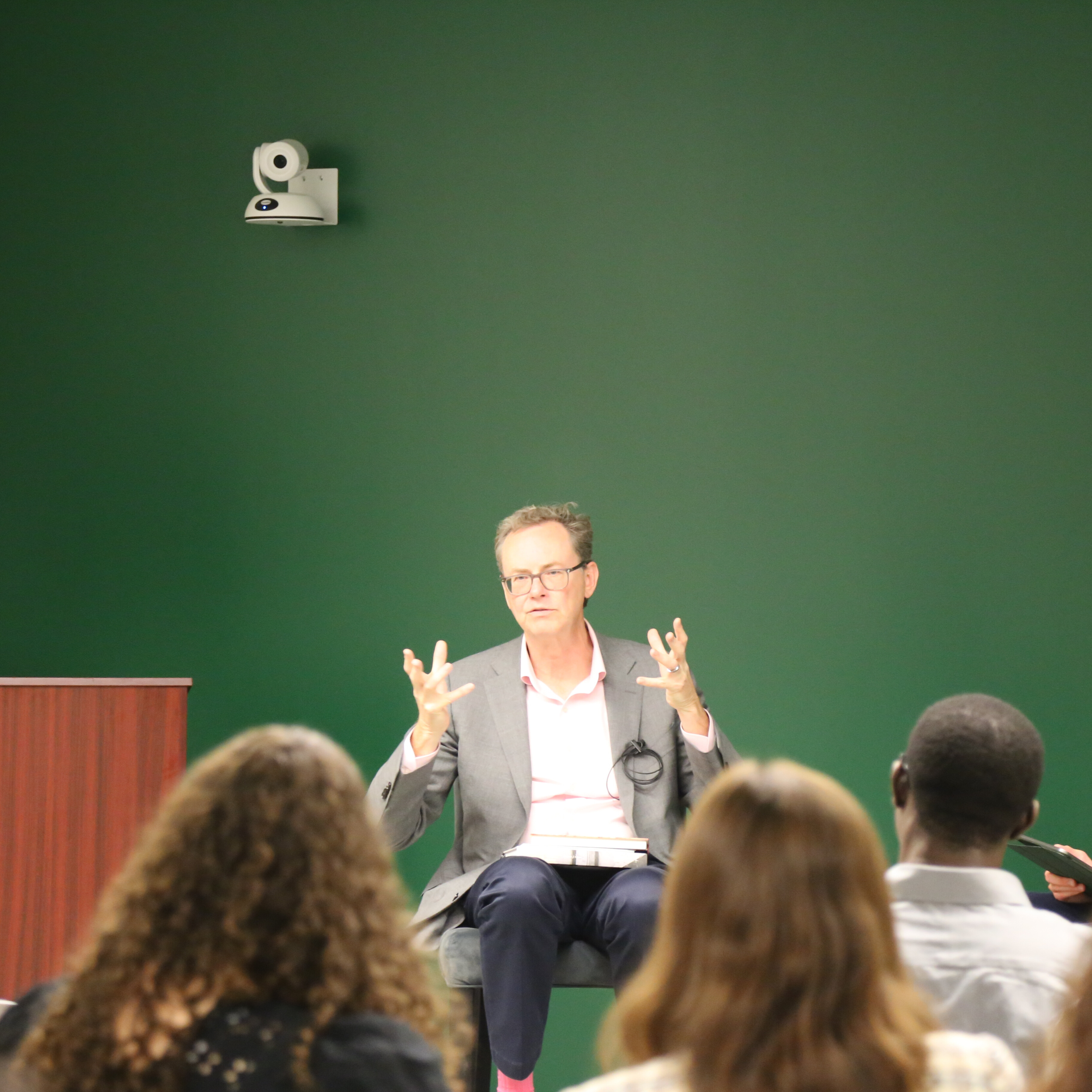 Dr. Francis Gavin, a prominent American historian, presented the context of his new title Thinking Historically: A Guide to Statecraft and Strategy where he emphasized the importance of developing historical sensibility through global and cultural understanding. Gavin emphasized that this historical sensibility is necessary to gain a historical perspective on the world, or in other words: to think historically. Gavin emphasizes that thinking historically is key for policy makers in the 21st century to make informed decisions, as it helps question assumptions and make more grounded decisions. Gavin believes that history is an important guide to navigate today’s world when used correctly. He believes that the skill of thinking historically has been underdeveloped when he states “Everyone uses history badly, we need to teach people how to do it correctly”. Gavin’s book acts as a call to the United States to improve everyone’s historical sensibility so that history can be used as an important tool, rather than forgotten.
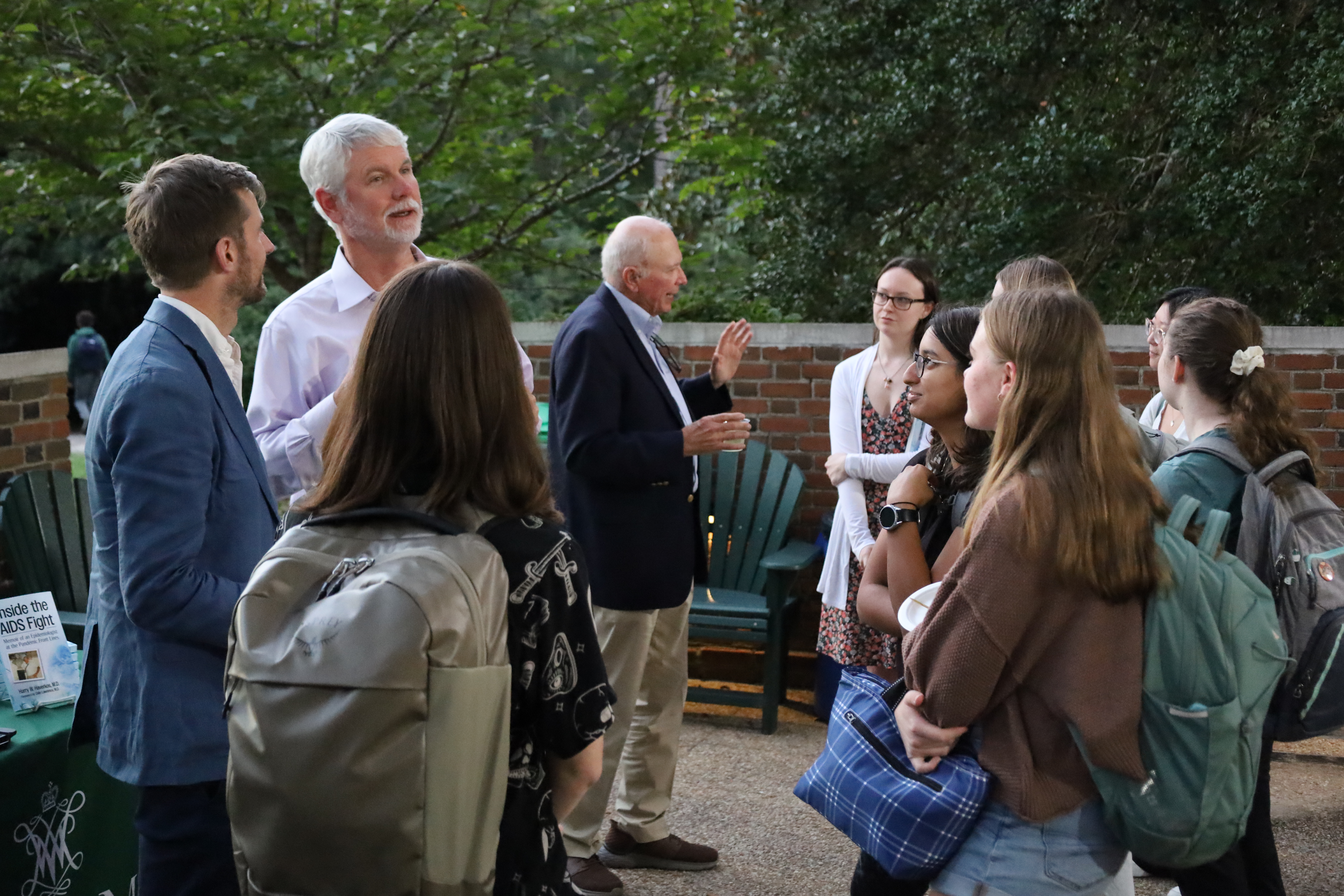
Dr. Harry Haverkos: Inside the AIDS Fight: Memoir of an Epidemiologist at the Pandemic Front Lines
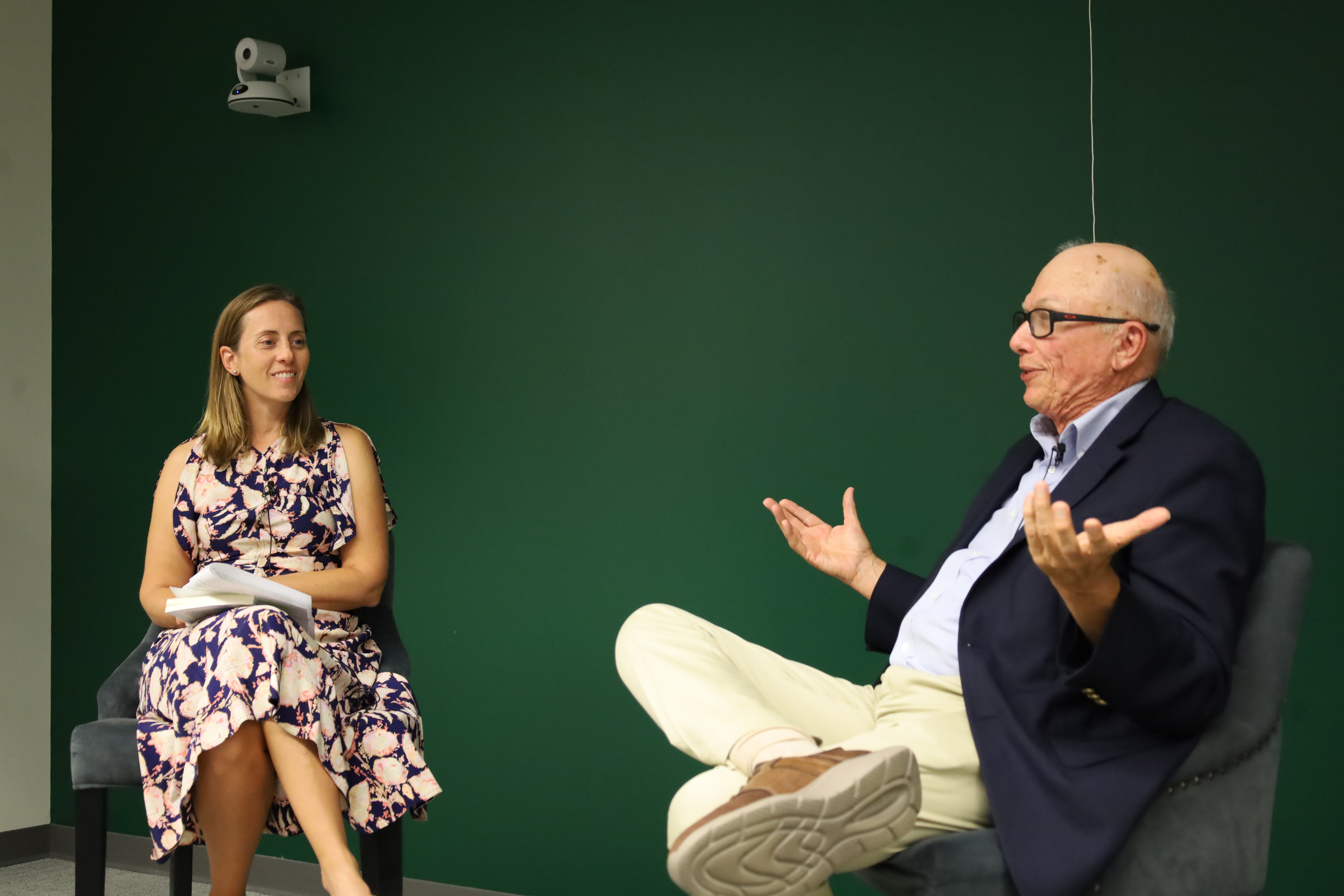 Dr. Harry Haverkos, an epidemiologist, presented his memoir where he recalls his time fighting the AIDS epidemic. Haverkos described his first encounter with an AIDS patient. He emphasized how confusing and challenging it was to encounter such a new disease. Haverkos spoke about his attempts to define AIDS and determine its cause. He spent hours researching archives to find similar symptoms across cases. Haverkos described his methods of using active surveillance where he sought out patients with symptoms and created controlled studies to help identify the cause. He emphasized the importance of building rapport with his patients, so they would entrust him with their sensitive information, despite the stigma that an AIDS diagnosis carried. He emphasized the importance of collaboration in epidemiology in order to overcome widespread pandemics.