 Skip to main content
History, Mission & Values
“The Institute exemplifies the best of William & Mary. Creativity, entrepreneurship, and intellectual risk-taking are rewarded. By investing in the power of student-faculty teams, the Institute is helping position W&M as a leader for world-class, applied research.”
Former Secretary of Defense, Robert M. Gates ‘65, LHD ’98
Mission
GRI’s mission is to accelerate research at W&M from ideas to impact.
How We Do This
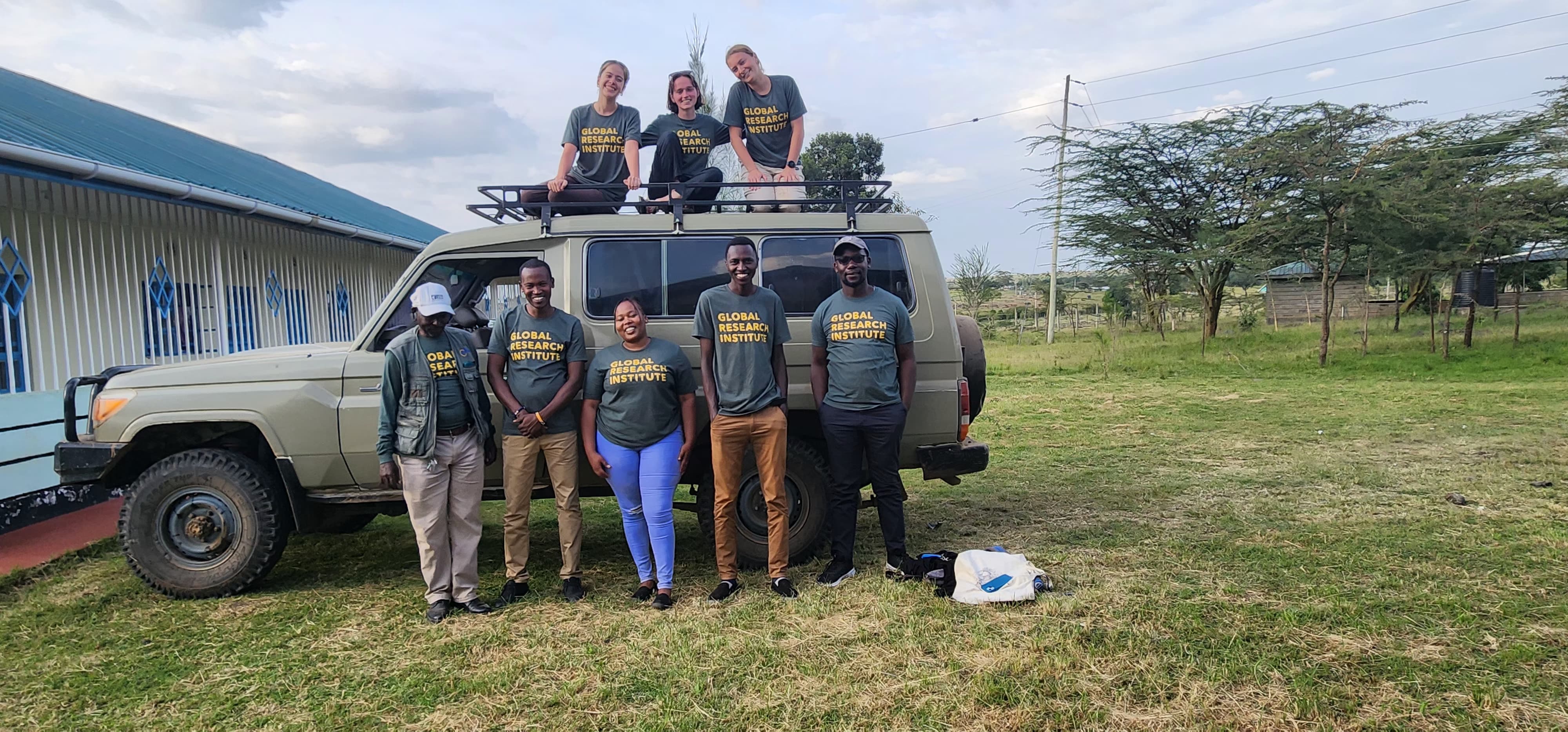
- We create a community based on creativity and innovation.
- We assemble student-faculty research teams and give them the tools to build something that lasts.
- We empower students to take risks and develop skills through real work.
- We take research to the people who can use it to change policies, solve problems, and improve lives.
 Our Values
Our non-negotiables.
Good ideas can come from anyone. We don't filter by experience, discipline, or seniority. We look for ideas with potential and people with commitment. We trust students with real responsibility and expect them to rise to it.
We take work and community seriously. Rigor and warmth aren't mutually exclusive. When we’re not briefing policymakers or running field experiments, you’ll find us grilling out on the patio at Gates Hall.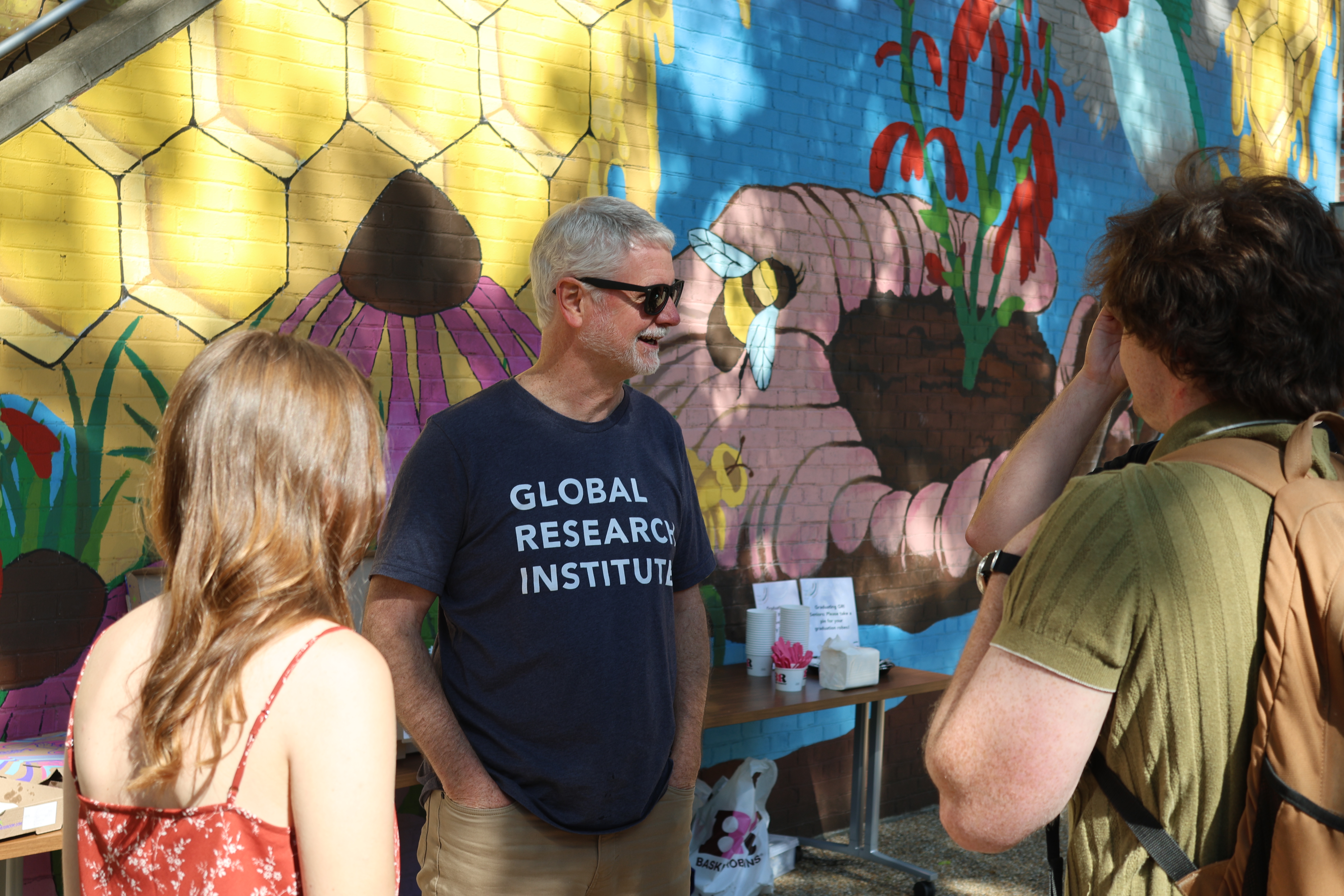
Success means letting go. We nurture ideas, help them grow, and celebrate when they find permanent homes beyond GRI. Our influence is measured not by what we keep, but by what flourishes after it leaves.
Don’t admire the problem—solve it. GRI is a community of doers who find joy in pushing through barriers that keep good work from happening.
The default answer is "why not?” We'd rather try something and learn than protect ourselves from failure. A culture of permission—fueled by trust and creativity—is how new things get built.
"For problems that need data that has yet to be discovered or methods that have yet to be invented, there is no better place for the world to come to than the Global Research Institute."
W&M President, Katherine A. Rowe
History
The Global Research Institute’s roots go back to 2003, when two separate students approached professors Mike Tierney and Sue Peterson with questions about how research is applied beyond the university. One student observed the difference between how his professors taught and how they studied international relations, asking why so much research was aimed at other scholars rather than practitioners doing the work of international relations in the policy world. Another student was working on his honors thesis and discovered that the data needed to answer his research question on tracking environmental aid didn’t yet exist.
These student questions became two research projects, led by the students in collaboration with faculty and external practitioners: TRIP (Teaching, Research, and International Policy) and AidData. The outcomes were game-changing: students worked alongside faculty as equal participants in the research process, learning through research in ways that cannot be replicated in the classroom, and the data collected and analyzed in these projects had clear policy relevance, generating interest beyond the university.
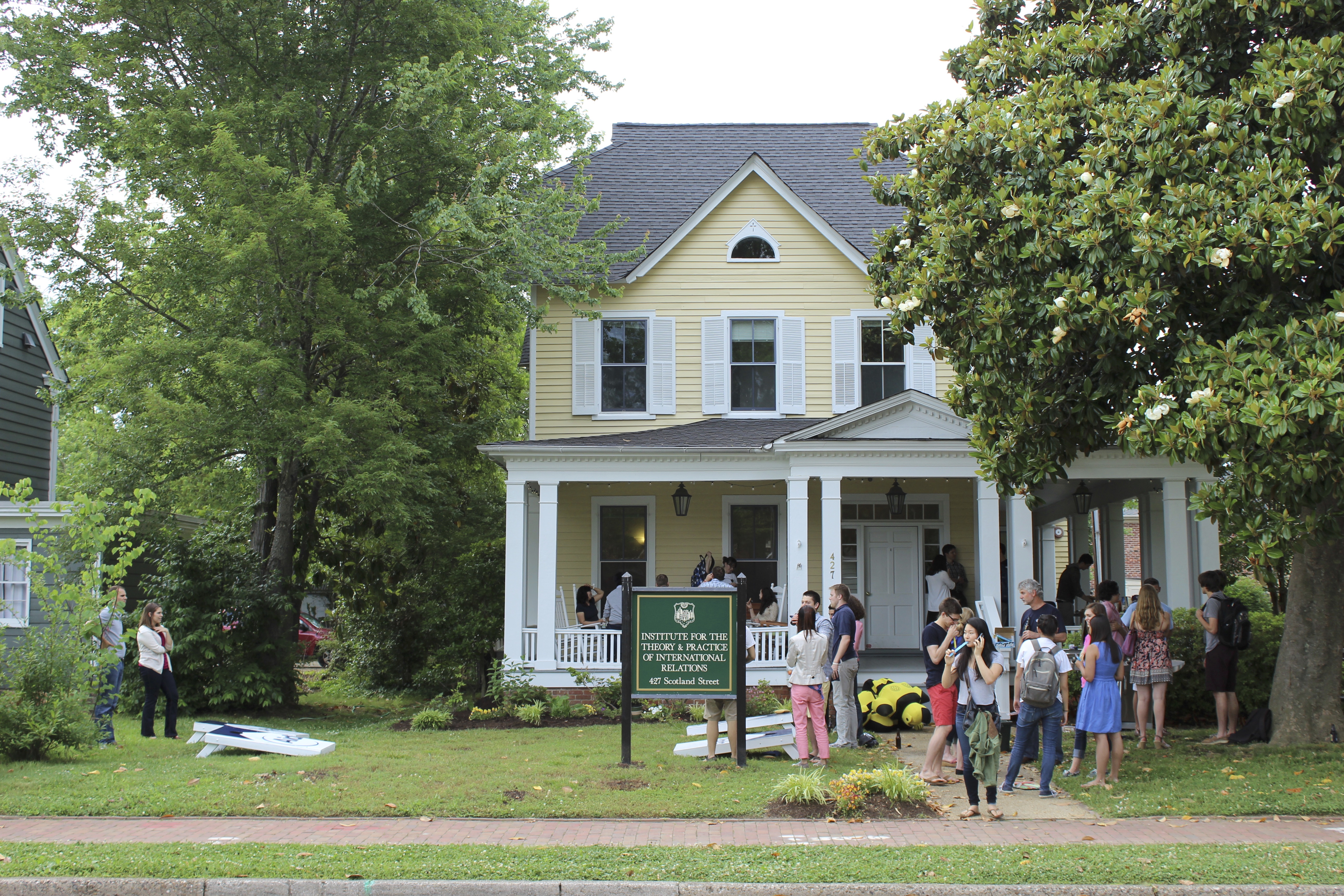 As these initial projects grew, the student-faculty teams realized their approach to research needed a home that could support externally funded projects led by collaborative teams of undergraduate students and faculty researchers. In 2008 Mike Tierney and Sue Peterson established that home: Originally called the Institute for the Theory and Practice of International Relations, it was rebranded in 2018 as the Global Research Institute. The Institute’s directive was to enhance W&M’s teaching and research profile by investing in student-faculty research teams that create new knowledge and make a difference in the world.
Almost 20 years later, our motivations and approach have mostly remained the same.
Since the Institute’s founding in 2008, over 50 unique external partners have invested more than $70 million in GRI. Today, more than 60 faculty and staff and over 200 students conduct applied research with project collaborators such as the Bill & Melinda Gates Foundation, the Carnegie Corporation of NY, the William & Flora Hewlett Foundation, the World Bank, U.S. Department of State, U.S. Agency for International Development, U.S. Department of Defense, the United Nations, among others.
GRI insights help guide the policy and strategic approach of its partners, and its findings are discussed at the highest levels of government. Analysis from GRI research labs are routinely published in elite media outlets (The Economist, Foreign Policy, The Washington Post, BBC, Reuters, WSJ) and research papers are published in the leading outlets in their fields (Nature, International Organization, Oxford University Press).