

More Arts & Humanities
Launched in 2020, GRI created the fellowship to help respond to real-world policy changes and develop the next generation of leaders through a multidisciplinary approach — engaging researchers from different academic fields, perspectives and backgrounds in collaborative projects across 10 research labs.
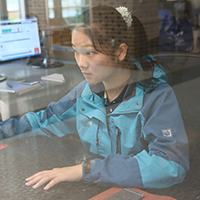
It started with students approaching faculty members to create self-designed majors around the use of data.
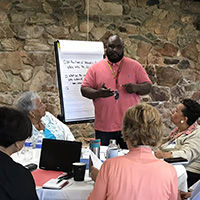
In departments and initiatives throughout William & Mary, efforts have been underway for nearly two decades to build up relationships with descendant communities and include their members as a vital part of the university’s research efforts.
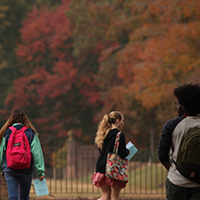
The vision for William & Mary’s new Democracy Initiative is succinct: “W&M aspires to be a place where respectful dialogue takes place on challenging topics.”
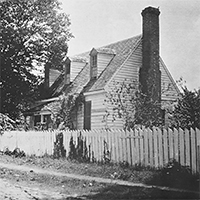
The two educational institutions have announced the creation of a joint research initiative to document the history of the school and its students, which will lead to new interpretive programming that explores the complicated history of this 18th-century institution dedicated to the education of Black children.
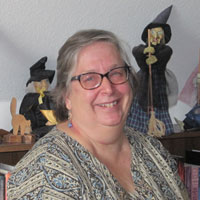
Barbette Spaeth, professor of classical studies at William & Mary, teaches and researches in the areas of ancient religion and magic. Her classes are quite popular and draw a cross-section of students across all disciplines and systems of values and beliefs.
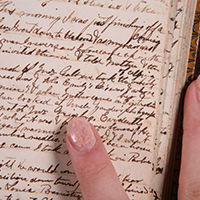
The Omohundro Institute of Early American History & Culture (OI) will be doing its part to support humanities posts for underemployed scholars through a new fellowship program aimed at non-tenure-eligible scholars who have been adversely affected by the COVID-19 global pandemic.
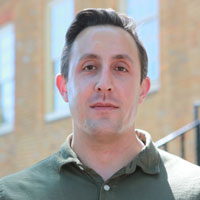
Christopher Freiman, associate professor of philosophy at William & Mary, outlines his reasoning in his new book “Why It’s OK to Ignore Politics.” Just in time for the Nov. 2 elections, he makes an interesting yet controversial case.
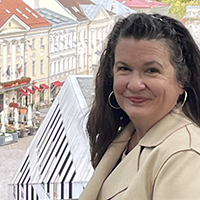
Professor Dawn Edmiston, a clinical professor of marketing at William & Mary’s Raymond A. Mason School of Business, was selected to be a Fulbright Scholar at Tallinn University in Estonia in 2019.
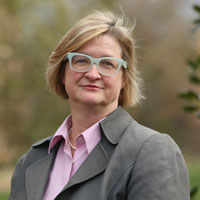
Elizabeth Losh, Duane A. & Virginia S. Dittman Professor of English & American Studies at William & Mary, was selected as a Fulbright Scholar for 2021-22.
Colonial Williamsburg has renewed its commitment to independent scholarly research by joining William & Mary to financially support the Omohundro Institute of Early American History & Culture.
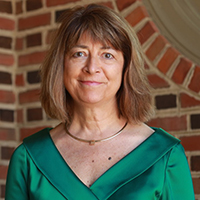
William & Mary announced today it will take a significant step forward in building, sustaining and reinterpreting its historical and cultural resources under a new Office of Strategic Cultural Partnerships, to be led by long-time university community member Ann Marie Stock.

A paper by W&M business professors argues that academia should seek ways to use machine learning and artificial intelligence.
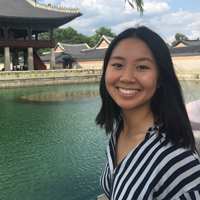
Amy Zhao’s knowledge of blockchain technology goes back to a course she took through William & Mary’s Global Research Institute. Now she wants to use her expertise to help others, including artists who face intellectual property threats.
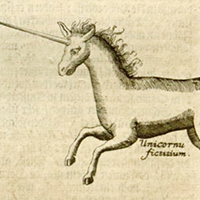
Holly Gruntner, a Ph.D. candidate in William & Mary’s Harrison Ruffin Tyler Department of History, recently completed a short-term fellowship at the American Antiquarian Society, delving into the society’s vast collection of original documents for material to complete her dissertation on kitchen gardens in early America.
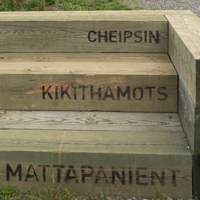
Martin Gallivan, professor and chair of William & Mary’s Department of Anthropology, was a consultant in the design of Machicomoco State Park.
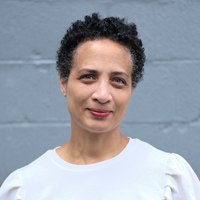
Adrienne Petty is one of seven recipients of a fellowship designed to foster classroom innovation and diversify curricula.
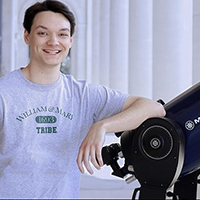
Tyler Hutchison is a rising junior and physics major at William & Mary who has set his sights (and camera) on the stars.
Erin Schwartz, a Ph.D. candidate in William & Mary’s Department of Anthropology, is studying enslaved women of the community of Buffalo Forge, a 19th century ironworks in Glasgow, Virginia.
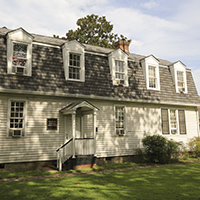
Gift from Steven W. Kohlhagen ’69 and Gale Gibson Kohlhagen ’69 jumpstarts lab’s research effort
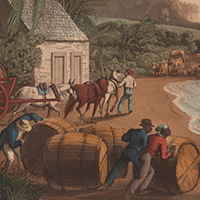
The Omohundro Institute at William & Mary has joined a multi-institutional partnership to document the lives of individuals who either were enslaved, owned slaves, were connected to the slave trade, and/or worked to emancipate individuals and families held in bondage.
Four W&M students were recently awarded fellowships from the Southern Regional Education Board (SREB), a program aimed at increasing diversity among college and university faculty.
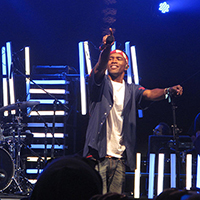
The American singer, songwriter, producer, visual artist and two-time Grammy winner Frank Ocean can now say that mathematics proves he’s the most influential artist of the 21st century.
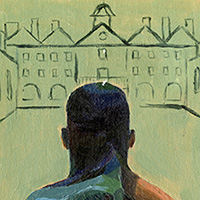
The names of those who were enslaved by William & Mary slowly have been emerging during the past decade. This academic year, artists at the university have added faces, hands and other textured marks of belonging and humanity.
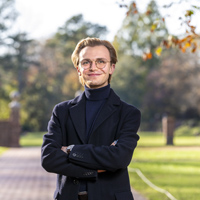
Abram Clear ’21, a linguistics and anthropology major, discovered a lot about himself during his college years, and he’s quick to credit the inclusive and welcoming home W&M provided throughout that time.
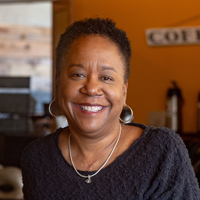
Jody Allen, assistant professor of history at William & Mary and director of the Lemon Project, was recently appointed by Virginia Gov. Ralph Northam to the Commission to Study Slavery and Subsequent De Jure and De Facto Racial and Economic Discrimination.
The S. Laurie Sanderson Awards for Excellence in Undergraduate Mentoring recognizes the graduate students in Arts & Sciences who mentor undergraduate students.
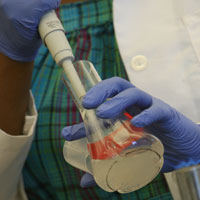
A digital showcase of undergraduate accomplishment will roll out throughout the month of April.
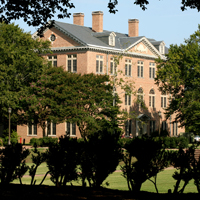
William & Mary’s graduate program in U.S. colonial history is the best in the country, according to rankings released today by U.S. News & World Report.
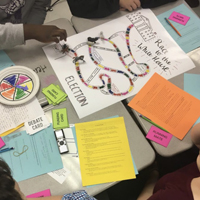
Lindy Johnson, associate professor of English education, has been examining the role of games and play in the classroom for several years.
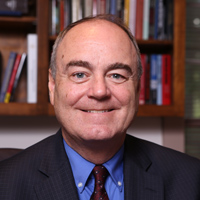
Stephen E. Hanson helps put into broader context the recent headlines about Alexey Navalny and Russian protests.
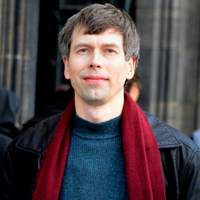
W&M Assistant Professor of Economics Peter Savelyev led study showing that education increases health and longevity through healthier lifestyles, superior earnings and better work conditions.
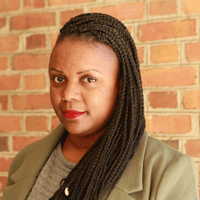
William & Mary’s Department of Theatre, Speech and Dance will host a diverse array of performers for its virtual season in the spring 2021 semester.
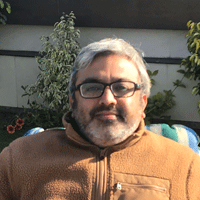
Faraz Sheikh, assistant professor of religious studies at William & Mary, has published a new book, “Forging Ideal Muslim Subjects: Discursive Practices, Subject Formation, & Muslim Ethic,” which discusses the forms a religiously-informed, ethical Muslim life can take.
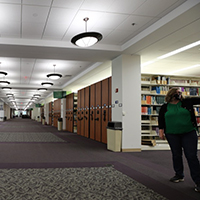
Six members of the Virginia Research Libraries (VRL) recently completed contract negotiations with Elsevier, the largest publisher of science, technology, engineering, and math (STEM) scholarly journals.
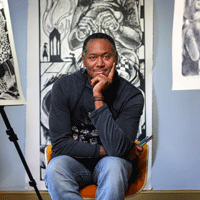
Steve Prince, director of engagement and distinguished artist in residence at William & Mary’s Muscarelle Museum of Art, is using this pandemic period as a time to be deeply creative in both art and in education.
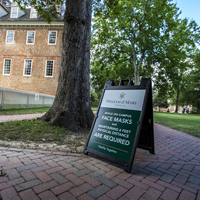
University employees identified ways to adapt during the pandemic by taking on new roles, shifting jobs and making new connections.
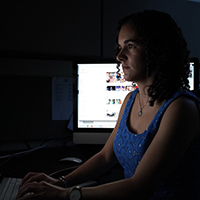
To better understand how politics play out online, W&M News spoke with Jaime Settle, associate professor of government at William & Mary. She is the director of the Social Networks and Political Psychology Lab and her book, Frenemies: How Social Media Polarizes America, was published by Cambridge University Press in 2018.
A new two-year grant from the Hewlett Foundation will help AidData bolster engagement with policy makers and influencers in Africa
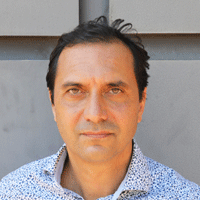
Adriano Marinazzo, curator of digital initiatives at the Muscarelle Museum of Art at William & Mary, published his hypothesis that Michelangelo may have carved the figure on a well-known outdoor stone façade in Italy, noting its similarity to a drawing attributed to the artist.
In its first public instruction opportunity, the university’s history writing center will guide middle school and high school teachers and students on the elements of effective historical writing.
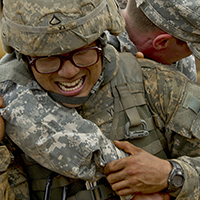
The human brain is hardwired for resilience, to adapt and make sense of the incomprehensible. For members of the military who have served in combat zones, that cognitive plasticity is tested to the limit – and sometimes beyond.
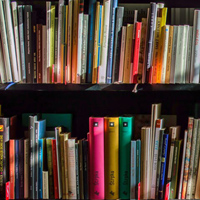
The following books by William & Mary faculty members were published in 2020.
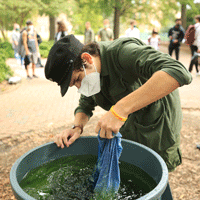
This fall’s pandemic conditions have brought new challenges as well as discoveries for students participating in the COLL 100 photography class, which Lecturer of Art Eliot Dudik teaches.

W&M Assistant Professor Mackenzie Israel-Trummel, who teaches a course on survey and polling analysis, says predicting the election outcome could be difficult under current circumstances.
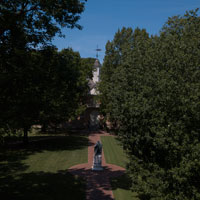
Summer 2020 looked and felt different because of COVID-19 restrictions, but William & Mary students doing research projects using Honors Fellowships thrived amidst change.
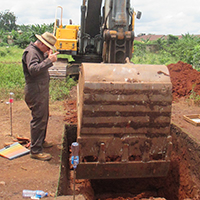
Gérard Chouin, associate professor of history at William & Mary, discusses COVID-19 in the context of past pandemics.
W&M Professor Jack Martin used time at home during the COVID-19 pandemic to finish a revised Choctaw dictionary that was four years in the making.
Chinua Thelwell discusses his new book "Exporting Jim Crow: Blackface Minstrelsy in South Africa and Beyond” and continuing efforts to remove blackface imagery from American culture.
Philosophy faculty member Philip Swenson and Dustin Crummett ’12 were never at William & Mary at the same time, but their connection has now been forged in print by the publication of their co-authored paper.
The upheaval and restrictions of COVID-19 won’t stop undergraduate research over the summer at William & Mary. But prudence and social-distancing measures will make the experiences quite a bit different from previous years.
Caylin Carbonell, a Ph.D. candidate in history at William & Mary, is completing a dissertation on New England households that challenges longstanding historiographic trends and reconsiders how to document the past.
Jessica Johnson, visiting assistant professor of religious studies at William & Mary, has covered quite a bit in her two courses this spring: new religious movements in America and a new one — gender, sexuality and religion in America.
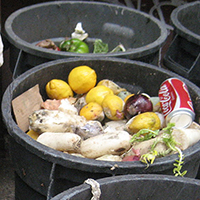
A new study by Zach Conrad, assistant professor in William & Mary’s Department of Kinesiology & Health Sciences, finds that the average American consumer spends roughly $1,300 per year on food that ends up being wasted.
Two decades or so before the great California gold rush, there was a smaller, but still considerable, excitement surrounding the precious metal in Georgia.
Jeremy Pope, associate professor of history and faculty affiliate in classical studies, has created a unique opportunity for students to learn the Egyptian language at William & Mary.
William & Mary’s move to modified academic operations is prompting departments to look into alternative ways of conducting dissertation defenses of Ph.D. candidates.
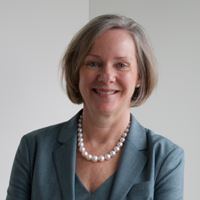
Maria Donoghue Velleca, an accomplished scholar and award-winning educator who served as senior associate dean for faculty affairs and strategic planning at Georgetown University’s College of Arts & Sciences, has been selected as William & Mary’s dean of the Faculty of Arts & Sciences, President Katherine A. Rowe announced today.
The State Council of Higher Education for Virginia has approved William & Mary’s proposal for a new bachelor of science degree in data science.
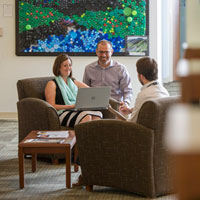
As William & Mary students and faculty prepare to move temporarily to remote learning, the newly-established Studio for Teaching & Learning Innovation has set up a support system to assist faculty.
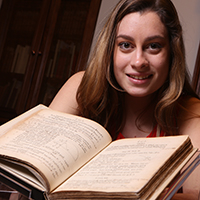
A persistent mystery surrounding one of William & Mary’s most treasured possessions apparently has been solved, by a 19-year-old sophomore.
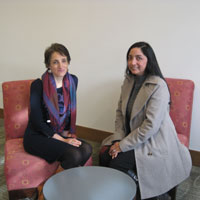
Sociology Professor Jennifer Bickham Mendez and Katherine Barko-Alva, assistant professor of English as a second language/bilingual education, continue to find ways to work together and help each other across disciplines.
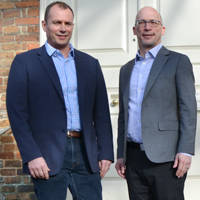
The leaders of William & Mary’s Institute for Integrative Conservation envision their nascent enterprise as a smooth pathway to the empowerment of students with the knowledge and skills to engage in the knotty environmental issues of the 21st century.
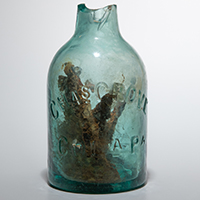
The bottle was recovered as part of an archaeological dig at the Civil War-era site of Redoubt 9, which today is more commonly known as exits 238 to 242 of I-64 in York County.
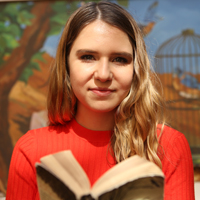
Kristen Popham '20 and Government and American Studies Professor Simon Stow co-authored a chapter for an upcoming book titled "The Cold War and American Life."
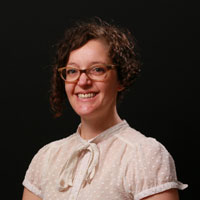
Merging the grueling physical and competitive aspects of sports with their religious faith makes athletics the perfect arena in some respects for evangelical Christians, contends William & Mary Associate Professor of Religious Studies Annie Blazer.
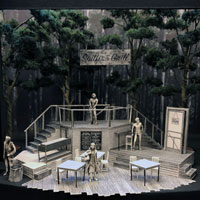
Maloni Wright ’21 and William & Mary Associate Professor of Theatrical Design Matthew Allar have used their research collaboration in scenic design to bring stories to life.
Suzanne Hagedorn, associate professor of English and affiliated faculty with the Medieval and Renaissance Studies program at William & Mary, has been researching St. William ever since a trip to Rochester Cathedral in England three years ago.
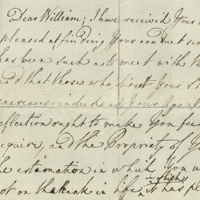
Faced with nearly a half million pages of text to be transcribed, W&M Libraries is turning to the community for help.
Digital technology can pervade gatherings, and families may best manage the thorny issue during the holidays by discussing it beforehand and reaching a consensus, according to William & Mary Sociology Professor Kathleen Jenkins.
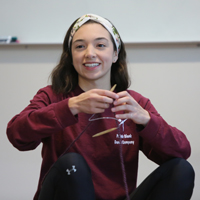
A knitting group, new this semester, is one of several art therapy offerings available at W&M’s McLeod Tyler Wellness Center.
The following books by William & Mary faculty members were published in 2019.
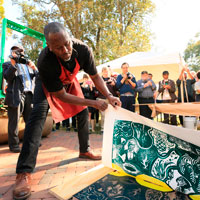
Steve Prince, director of engagement and distinguished artist in residence at the Muscarelle Museum of Art, completed his yearlong Links Steamroller Project Nov. 7 beside the Wren Building.
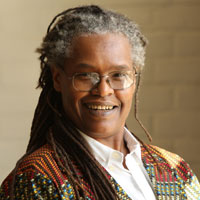
Gayle Murchison, associate professor of music at William & Mary, continues a career-long arc of circling back to study American jazz musician Mary Lou Williams.
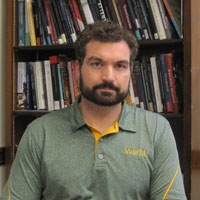
William & Mary Associate Professor of Philosophy Chris Tucker is looking at how people weigh reasons when making decisions, and how they might do it more effectively.
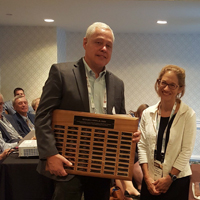
"The Whips: Building Party Coalitions in Congress" was awarded the Richard F. Fenno Jr. Prize by the American Political Science Association.
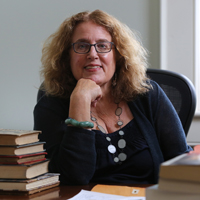
English faculty member Deborah Morse will give fall Tack Lecture, “Liberating Black Beauty: A narrative on animal rights, gender, race and nation,” on Oct. 23 at 7 p.m. at the Sadler Center’s Commonwealth Auditorium.
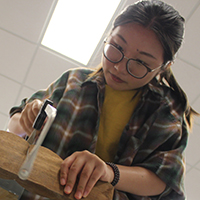
This fall, the Muscarelle Museum of Art will serve as both an exhibit space and laboratory for a new interdisciplinary course that blends art and science.
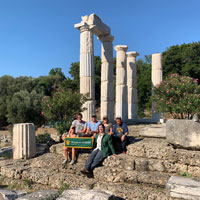
William & Mary Classical Studies Lecturer Andrew Ward and Assistant Professor Jess Paga took three students to excavate the Sanctuary of the Great Gods on the Greek island of Samothrace from June 23 through Aug. 11.
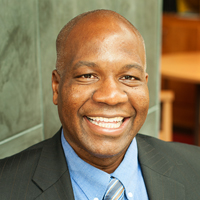
W&M News recently talked with Robert Trent Vinson, Frances L. and Edwin L. Cummings Professor of History and Africana Studies, about 1619, its significance and its part in the upcoming ASWAD conference.
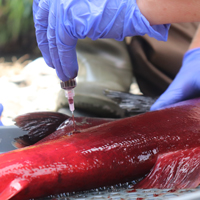
A sockeye salmon’s life ends right back where it began, culminating in an anadromous drama of sex, decay and sacrifice.
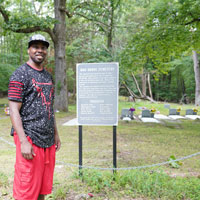
In his William & Mary doctoral dissertation, Travis Harris Ph.D. '19 details how residents of the predominantly African American neighborhood of Magruder were displaced when the Navy took over their property to build Camp Peary in the early 1940s.
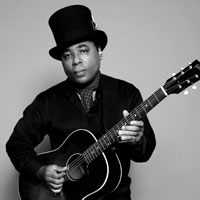
A full slate of performances, writing talks and exhibitions open to the university and local communities is planned for the fall at William & Mary.
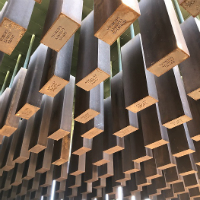
Titled “Honestly Remembering Together,” the Study Away course encouraged students to draw connections between the legacy of extra-legal violence (like terror lynchings) in the United States and modern-day capital punishment.
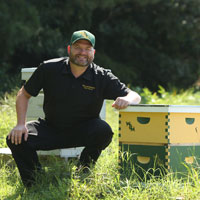
William & Mary students already eat lots of vegetables grown nearby as part of the university’s partnership with KelRae Farm, but this fall, menus will be abuzz with the addition of honey.
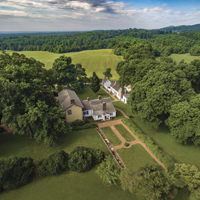
The Andrew W. Mellon Foundation has awarded William & Mary a $1 million grant to support inclusive research, teaching and community engagement around the legacies of slavery and racism.
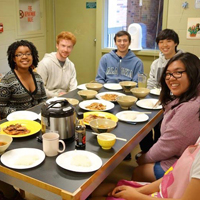
William & Mary will begin offering a Japanese Studies major this fall, becoming the only public university in the state to offer a bachelor’s degree in the discipline.
Edwin Pease, senior lecturer in the Department of Art & Art History, has taught at William & Mary since 1990 while also working full-time as a partner in Stemann Pease Architecture. His students get the best of both worlds.
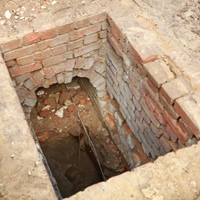
Work to expand one of William & Mary’s iconic brick pathways came to a sudden stop recently when a previously unknown access point to an early 18th-century drain was uncovered.
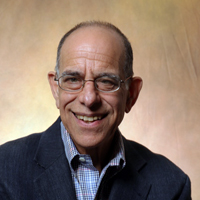
W&M Professor of English and American Studies Robert Scholnick's insightful research and writing on Walt Whitman has revealed the seismic change the great American poet underwent caused by the ordeals he experienced.
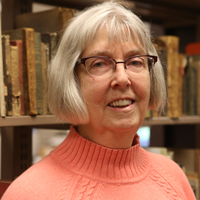
Kathryn Blue will be honored for a half-century of service to William & Mary and Swem Library on June 13.
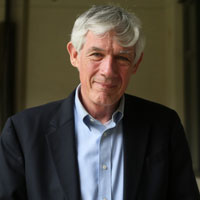
Gene Roche, executive professor of higher education at William & Mary, will receive the 2019 Shirley Aceto Award for exceptional commitment to excellence in service to the campus community.
Fulbright is the flagship educational exchange program that is sponsored by the U.S. government, and once again William & Mary students are among the prestigious award's recipients.
George Greenia has garnered a prestigious international award. In June he will travel to Mexico to receive the 2019 International Prize Grupo Compostela–Xunta de Galicia.
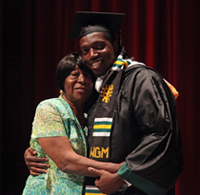
Lemon Project Director Jody Allen discusses the history of the project, its accomplishments and its goals for the future.
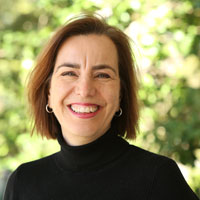
William & Mary Classical Studies Professor Vassiliki Panoussi’s new book explores the traditional, and not so traditional, ways that women held power in the patriarchal society of ancient Rome.
"Love, Mary" is a student-based evening of performance highlighting the experience of women at William & Mary in a contemporary context.
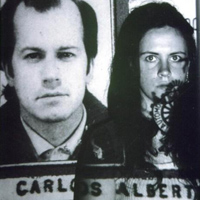
W&M faculty and students have been working throughout the year to prepare for the release of thousands of declassified U.S. intelligence documents related to Argentina’s last dictatorship between 1976 and 1983.
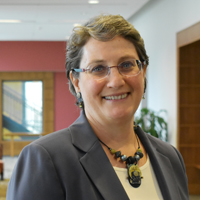
A recent article in the Review of Educational Research has named William & Mary Education Professor Megan Tschannen-Moran among the top 20 most highly-cited authors in the field of educational administration.
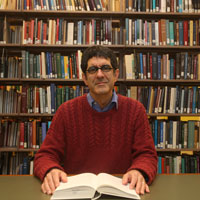
Ronald Schechter, professor of history at William & Mary, has been awarded the 2019 John Simon Guggenheim Memorial Foundation Fellowship in Intellectual and Cultural History.
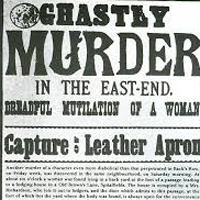
Nancy Schoenberger, who directs the university’s Creative Writing program, has coordinated with Elizabeth Wiley of Theater, Speech and Dance, Ryan Fletcher of the Department of Music’s opera workshop, and Mary Eason Fletcher of the Applied Music program, to tell the story of the five women Jack the Ripper killed in 1888.
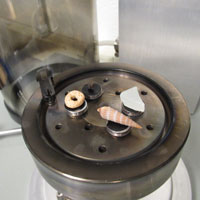
William & Mary art students studying scale got to see every aspect of tiny objects writ large as they learned to use the scanning electron microscope in the Small Hall Makerspace.
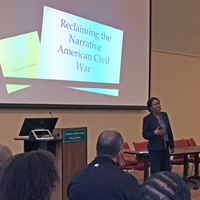
Continuing its powerful work in chronicling William & Mary’s history, the Lemon Project hosted its ninth annual spring symposium, “Celebrating Legacies, Constructing Futures: Four Hundred Years of Black Community and Culture,” on campus March 14-16.
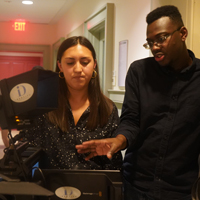
Isaac Davis ’20 has been making films for a long time, but this one has special meaning to him.
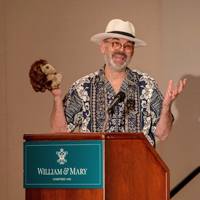
Students, faculty and staff, and members of the community flooded the Chesapeake rooms in the Sadler Center on March 14 to watch the annual Raft Debate in which three professors, deserted on an imaginary island, represented their disciplines in an battle for a single spot on an imaginary raft.
David Marquis, a Ph.D. candidate, received the William & Mary Interdisciplinary Award for Excellence in Research for his paper “Tick, Tick, Boom: Dynamite, Cattle Ticks, and the Closing of the Southern Range.”
Alexandra Macdonald has been looking into the 18th-century “theatre of consumption” that was Samuel Abbot’s shop and the retail culture of colonial America, where even the residents of Puritan Boston were interested in consumption.
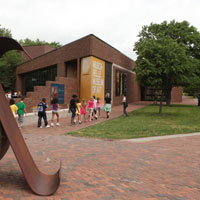
New exhibitions, events and programming are planned at William & Mary’s Muscarelle Museum of Art this spring, including a student-curated exhibition.
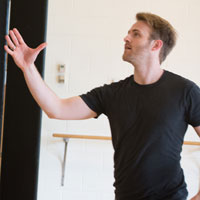
William & Mary faculty members who created a new dance and music work themed around tarot cards will premiere the piece next week when Aura CuriAtlas performs "The Fool and the World" March 9-10 at the Kimball Theatre.
Ronald Schechter, professor of history at William & Mary, will deliver the spring 2019 Tack Faculty Lecture, “The Secret Library of Marie Antoinette: Revealing the Inner Life of a Conflicted Queen,” on March 28 at 7 p.m. at the Sadler Center’s Commonwealth Auditorium.
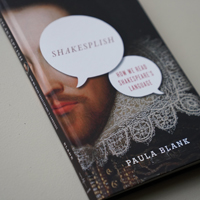
Liz Barnes, Erin Minear and Erin Webster of the W&M English department picked up the pieces of deceased colleague Paula Blank's manuscript and stitched together a unique book on how to read Shakespeare.
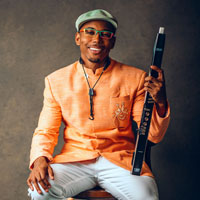
Victor Haskins, instructor of trumpet and director of the Jazz Ensemble at William & Mary, would like listeners to experience music as a story, picture or emotion that can’t be limited to being called jazz — or even music.
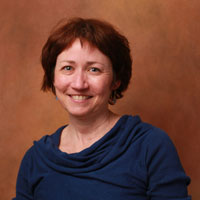
Silvia Tandeciarz, chair of modern languages and literatures and professor of Hispanic studies at William & Mary, will be awarded the 2019 Thomas Jefferson Award at a Jan. 31 ceremony.
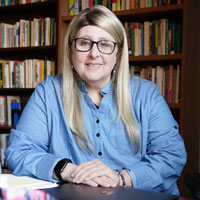
William & Mary Professor of Theatre Laurie Wolf is re-examining William Shakespeare's plays for a new book.
There's something for everyone in the spring semester's cultural offerings at William & Mary.
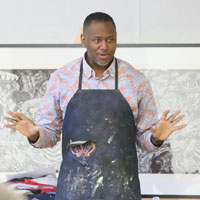
Steve Prince, well known as a visiting artist at William & Mary, has joined the Muscarelle Museum of Art as its first director of engagement and distinguished artist in residence.
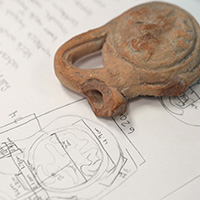
Disparate methods involving pencils and computer software each had their place as students explored new ways of studying artifacts.
Combing through volume after volume of archival records, the lives of artists in colonial Quito, Ecuador, started to take shape. That’s how Susan Verdi Webster, Jane W. Mahoney Professor of Art and Art History and American Studies at William & Mary, did the groundbreaking research for her new book.
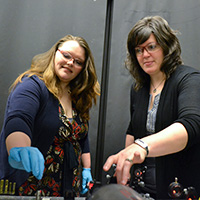
Shelle Butler is going to Amsterdam this summer to work with some of the world’s most highly valued works of art. “But I won’t be actually touching the Rembrandts,” she said, affecting a little wide-eyed shudder of horror. “I’ll be back over there in the corner with my lasers.”
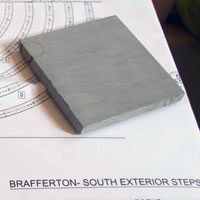
Chuck Bailey says it is some of the ugliest stone he’s ever seen. Bailey has looked at a lot of stone. He’s professor and chair of William & Mary’s Department of Geology.
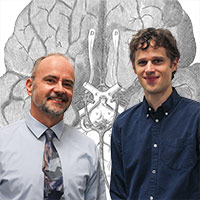
The methods of inquiry for science and philosophy may be different, but sometimes their questions align. And if there were a Venn diagram of both, two William & Mary philosophers would be settled smack in the middle.
The peer-review process does for science what the checks and balances system is supposed to do for American government.
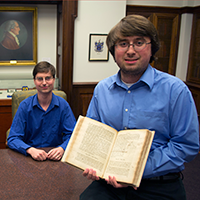
There is a bit of a mystery surrounding a book at William & Mary.
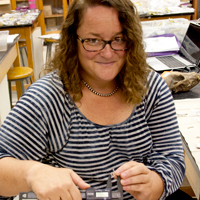
Environmental change is nothing new in Polynesia. For centuries, the inhabitants of the volcanic, sea-battered islands have been employing a variety of strategies to adapt to their changing landscapes.
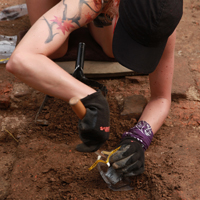
All signs indicate that a brew house once stood in the shadow of the Wren Building, but those inclined to toast the rediscovery of a facility that slaked thirsts at William & Mary 300 years ago should really wait until the lab results are in.
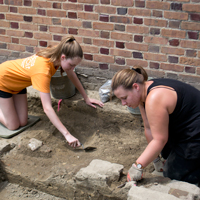
Archaeologists have a month to find the smoking lunchbox of the Bray School, and Terry Meyers has lost none of his optimism.
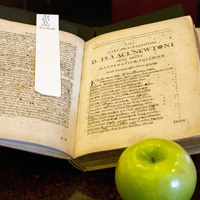
The hyper-rational world of science has always made a bit of room to accommodate legend and William & Mary will soon be home to a living piece of one of the most well known scientific legends: a descendant of Isaac Newton’s apple tree.
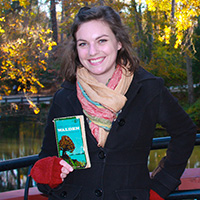
As a summer counselor at Camp Takodah in the woods of New Hampshire, Benjamin led a group of teenage girls in a non-traditional learning experience that she based off of the theory and thought of perhaps the ultimate camp counselor—Henry David Thoreau.
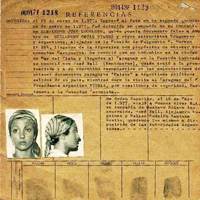
A dozen high-level Latin American military officers are on trial in Argentina for their role in Operation Condor, and William & Mary students have been assisting with the prosecution.

As you walk into William & Mary's Mason School of Business, vanilla-cream tiles catch your eye as the sunlight streams down from the third-story atrium and reflects off the lobby floor.
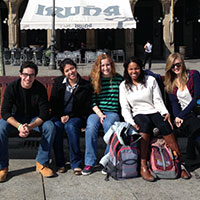
Domestic violence. Drug smuggling. Priests hauled into court for scandalous behavior. Welcome to Spain in the 17th century.
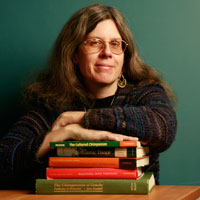
Animals feel grief; they mourn. And there are enough documented examples of the phenomenon to fill a book.
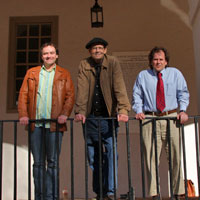
If you were to stand at the edge of the Grand Canyon, or observe the Mona Lisa in real life at the Louvre, you might be lucky enough to experience what Timothy Costelloe calls the Sublime—but only if the experience is literally awesome.
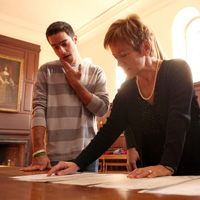
The writing is cramped, and ink bleeds through the 400-year-old manuscript. There are letters missing or substituted, strange abbreviations and various words that seem to make no sense.
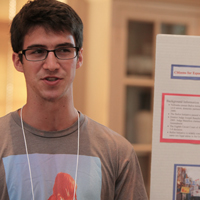
What do horses, movies and math have in common? They’re all subjects of research conducted over the summer by William & Mary undergraduates.
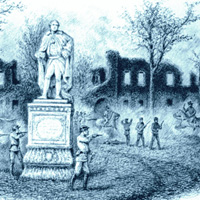
Archaeologists working in the university's Brafferton Yard have uncovered evidence of a time a century and a half ago in which the normally placid Historic Campus was a Civil War battleground.
It’s a safe bet that more Americans are able to name the nine reindeer of Santa than the twelve apostles of Jesus.
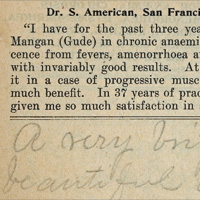
When a young doctor’s wife wrote in her diary back in 1902, she couldn’t have known that over a century later, scholars at William & Mary would be reading it—let alone trying to determine her identity.
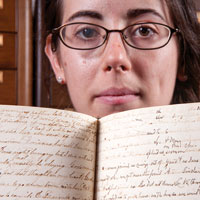
The Earl Gregg Swem Library is commemorating the 150th anniversary of the end of the Civil War in a very special way, and with a little help from their friends.
Administrators, educators, and students from Korea came to Williamsburg to exchange ideas about teaching and learning through a variety of scientific and mathematical curricular concepts.
Two alumni who are noted legal scholars—Board of Visitors member and William & Mary Law School graduate Robert E. Scott and his wife, Elizabeth S. Scott, a graduate of the College of William & Mary—were honored at a Sept. 22 reception in the Wren Building for their generosity in creating a new research chair in law.
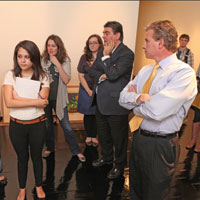
A visitor walks into a museum gallery. Everything seems perfect: the paintings are grouped; the labels are carefully placed; the texts announce the significant themes; and the lighting entices. All of these aesthetics boast ‘here is something very special, come a little closer.’
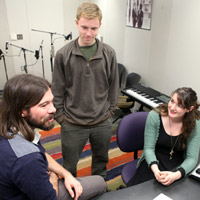
There are the arts, and then there are the sciences. There is literature, language and film, and then there is calculus, physics and experiments.
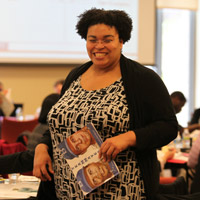
The 30 students in a high school classroom may all speak English, but a mix of factors in each student’s background shapes how he or she speaks it. The same is true for the teacher.
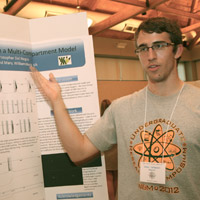
William & Mary students are pushing the envelope when it comes to undergraduate research. Hundreds of them put their research on display when the College hosted the 18th Annual Undergraduate Science Research Symposium.
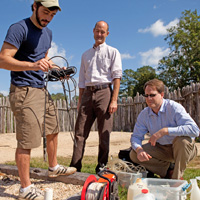
Geologists at William & Mary are analyzing a possible contributing cause of the deaths at Jamestown Island during the Starving Time of 1609 and 1610—bad drinking water.
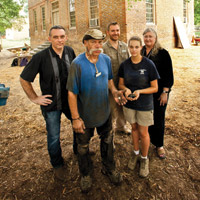
A piece of stone and a scant double-handful of broken glass. It doesn’t look like much to the uninitiated, but the team of archaeologists working this summer at the base of the Brafferton knows that these artifacts are the richest kind of pay dirt.
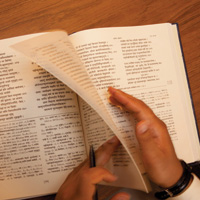
The Bhagavata Purana is to some Hindus what the Bible is to some Christians. It is a work of literature encompassing a rich tradition of poetry and drama, as well as a scientific, technical, philosophical and Hindu religious text.
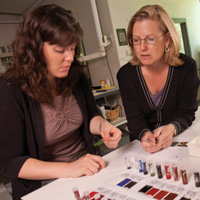
Shelley Svoboda uses a fine surgical blade to take pigment samples from 18th-century paintings.
She’s an internationally acclaimed superstar who accessorizes with a colorful bow clipped near her left ear. Her image appears on more than 10,000 items.
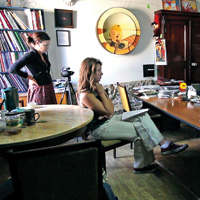
"We’ve determined as a faculty that our undergraduate students should comprehend the tools of research as an essential part of their future problem-solving and decision-making,” says Joel Schwartz, director of the Charles Center and dean of honors and interdisciplinary studies.
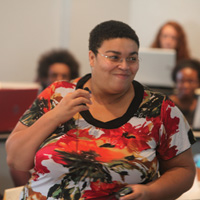
Anne Charity Hudley has been awarded a grant from the National Science Foundation (NSF) to study how cultural and social language patterns affect learning and student assessment in STEM (Science, Technology, Engineering and Mathematics) classrooms.
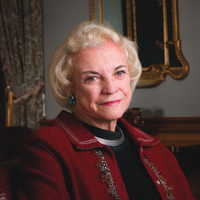
On October 14-15, William & Mary Law School's Property Rights Project will host the law school's first international conference at Tsinghua University in Beijing, China.

How can America be so violent, and yet so sentimental at the same time?

Susan Verdi Webster will never forget the fourth month of 2011.
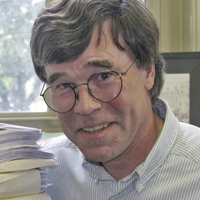
Henry Hart, the Mildred and J.B. Hickman Professor of English and Humanities, was honored for a lifetime of poetic achievement and support last fall, when he was awarded the Carole Weinstein Prize in Poetry.
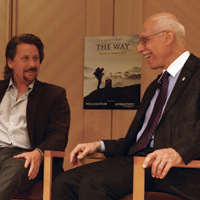
An academic colloquium is not usually where one would expect to see Hollywood stars.
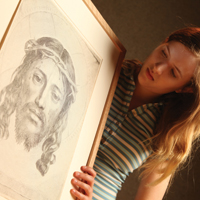
Since the late 18th century, scholarship on the study of Jesus has moved from faith-based research to a cultural investigation focused on historical probability.
Since the invention of the Cinématographe in 1895, cinema has played a key role in French culture. French filmmaking, in turn, has had a huge influence upon the industry worldwide.
In her new book Women, the Recited Qur’an, and Islamic Music in Indonesia, Anne K. Rasmussen explores the musical phenomenon of qur’anic recitation in the world’s most populous Muslim nation, while taking on several myths about music and Islam.

Couture & Consensus, a new book by Regina Root, offers a history of fashion and its influence on the political climate following Argentina’s revolution of independence in 1810.

Linguists will tell you that a language can begin to die in a single generation—if it is not passed down to children.
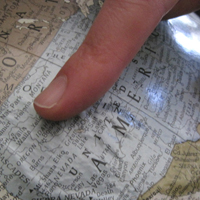
When the diplomatic dust had settled following the 1713 signing of the Treaty of Utrecht, officials in Europe’s imperial capitals got back to talking about extending their empires into uncolonized areas of western North America. And they had little idea of what they were talking about.
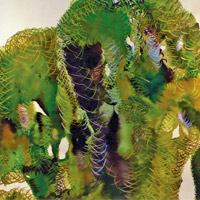
Elizabeth Mead, assistant professor of art and art history, has four large-scale drawings in an exhibition at Seton Hall University Law School through early January.

Terry L. Meyers, Chancellor Professor of English, has been featured in two national publications recently regarding research of the 18th century Bray School and its possible connection to an old house tucked on the edge of William & Mary’s campus.

Decades ago, Elizabeth Taylor and Richard Burton were Hollywood royalty for a generation of moviegoers and star-gazers.

Over the past decade, William & Mary’s students and alumni have been very successful in obtaining Fulbright Scholarships to teach and study in countries around the world.

William & Mary has received a $1 million grant from The William and Flora Hewlett Foundation for AidData.
All the reviewers who saw the manuscript asked the same question: Does the world really need another book about Thomas Jefferson?
Thirteen students and alumni from the College of William and Mary have been selected to receive 2010-11 scholarships from the Fulbright U.S. Student Program, setting a new record for the College.
GIS reveals medieval land-transfer patterns.
Department of Education funds texts stressing dialects in Arabic.
Ecofashionista Regina Root to preside over Ixel Moda.
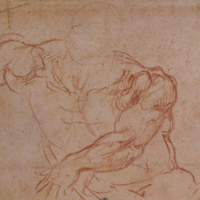
Michelangelo exhibit is a U.S. exclusive
Greg Bowers' work blends the digital with the analog.
Haug to probe boundaries of the mental and physical.
GIS data-stitching opens new research horizons.
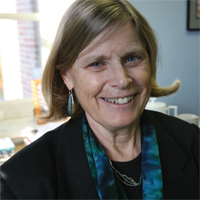
Eminent musicologist Kitty Preston will use her National Humanities fellowship to finish her book on women managers in 19th Century opera.

A group of students journey to Spain to trace the twisted threads of the legacy of that country's tragic civil war.
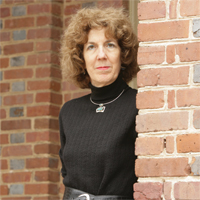
William & Mary's Susan Donaldson spearheads important scholarship on the dark days of lynching...and their present-day echoes.
Linda Malone, the Marshall-Wythe Foundation Professor of Law at William & Mary Law School, has been awarded the Distinguished Fulbright Chair in International Environmental Law for 2009-2010.
Sophia Serghi's fingers hurtle from one piano key to the next, dashing to form sounds both strident and soothing.
Tracy L. Cross started the fall 2009 semester with a new job and the surprise of a lifetime.
Andy Allen '11 is preparing to relish everything the old world has to offer. As the first recipient of the Timothy J. Sullivan Scholarship, he will spend the fall semester of his junior year at the University of Nottingham in England.
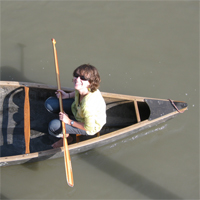
Our Murray Scholars, under the leadership of Dan Cristol, each year take a trip to the farm of the program's benefactors.
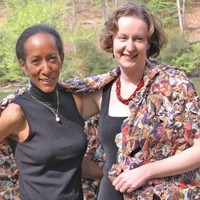
We're also who made what we wear and what it's made from. (And other fashion truisms that will keep green the new black.)
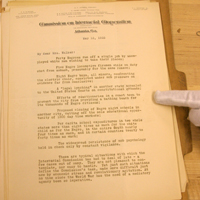
Sharpe scholars walk into an old building, walk out with a cache of lost documents.
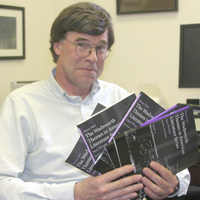
Henry Hart hopes that ”appetizer” booklets will spur publication of ambitious post-World War II literary anthology.
Graduate students from the College of William and Mary were joined by students from several other advanced programs for the College's eight annual Graduate Research Symposium.
"The Story of Joy", by Adam Potkay, was named a co-winner of the Harry Levin Prize awarded by the American Comparative Literature Association.

Two William & Mary faculty members received the state's highest honor for professors from the State Council of Higher Education for Virginia.

When the Spanish archivist Peio Monteano produced a 13th-Century ceremonial on the coronation of English kings, Kimberly Bassett knew that this was an opportunity few other researchers-let alone undergraduates-ever get.
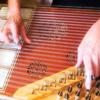
The Middle Eastern Music Ensemble offers a window into a culture that is becoming more and more a part of our own.
You, too, can now understand Cuban films, thanks to Anne Marie Stock.
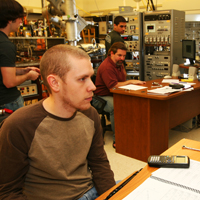
One of William and Mary's strengths is the involvement of our students in research...and it's about to get stronger.
Katherine K. Preston will spend the spring 2009 semester at the University of Leiden in the Netherlands, after being named the Walt Whitman Distinguished Chair of American Culture by the Fulbright Center of the Netherlands.
Great libraries make great research and scholarship possible.
A gift from an alumna and her husband will help keep William and Mary's libraries first-rate.
So how do you put your best face forward when the audience is constantly changing?
"Kenya literally felt like The Lion King every day, with a big sunrise behind the acacia tree and lions and elephants everywhere," said Patel.

The Jewish presence in what is now the United States began in 1654, with the arrival of 23 refugees in what was then New Amsterdam, stepping off the boat from Brazil, of all places.
William and Mary's seventh annual Graduate Research Symposium was held March 28 and 29, 2007 at the University Center.
George Greenia was awarded the 2007 Distinguished Editor Award by the Council of Editors of Learned Journals (CELJ).

Glenn George and Trotter Hardy of William & Mary Law School will lecture overseas in 2009 in China and Portugal, respectively, as part of the Fulbright Scholars Program.
Our undergraduates conduct research projects in Spain...in Spanish, of course.

Student playwrights take their plays and their companies to the New York theatre festival.

Global Film s-GIG stages the King Kong of all retrospectives at the Kimball Theatre.
The Omohundro Institute hosted a conference in Ghana which drew scholars from around the globe to discuss the history of efforts to end the Atlantic slave trade.
A new, comprehensive work profiles the lives and works of Aristotle, Socrates and other ancient men (and women) of science.
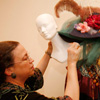
After a quarter century of designing theatre wardrobes, Patricia Wesp’s is one show that must go on.
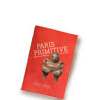
The surprising depth of controversy about a new museum in Paris--plus joy, the Supreme Court and a rain-forest philosopher.
They're Global Inquiry Groups: Interdisciplinary, international...and they incorporate research.
Two College of William and Mary professors were awarded Fulbright Scholar Program grants this fall to conduct research abroad.
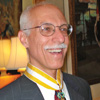
George Greenia, known for his work in medieval studies and on the Camino de Santiago pilgrimage, received Spain's highest cultural achievement distinction for foreign nationals this fall.