

| April 25, 2024


Nine students from William & Mary receive awards in the annual Latin Translation Exam.
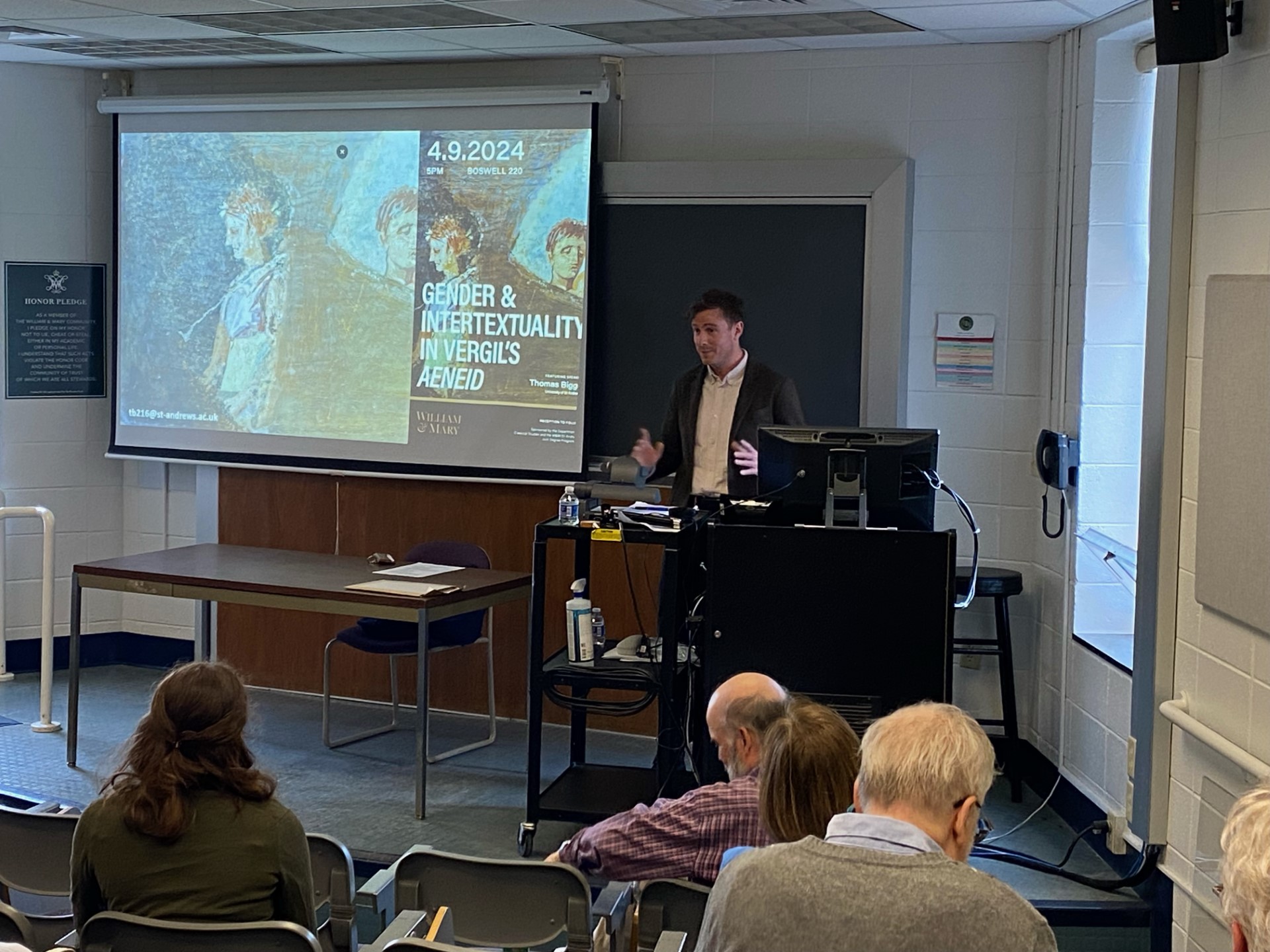
The Department of Classical Studies and the William & Mary/St. Andrews Joint Degree Programme hosted Thomas Biggs for his talk, “Gender & Intertextuality in Vergil’s Aeneid.”
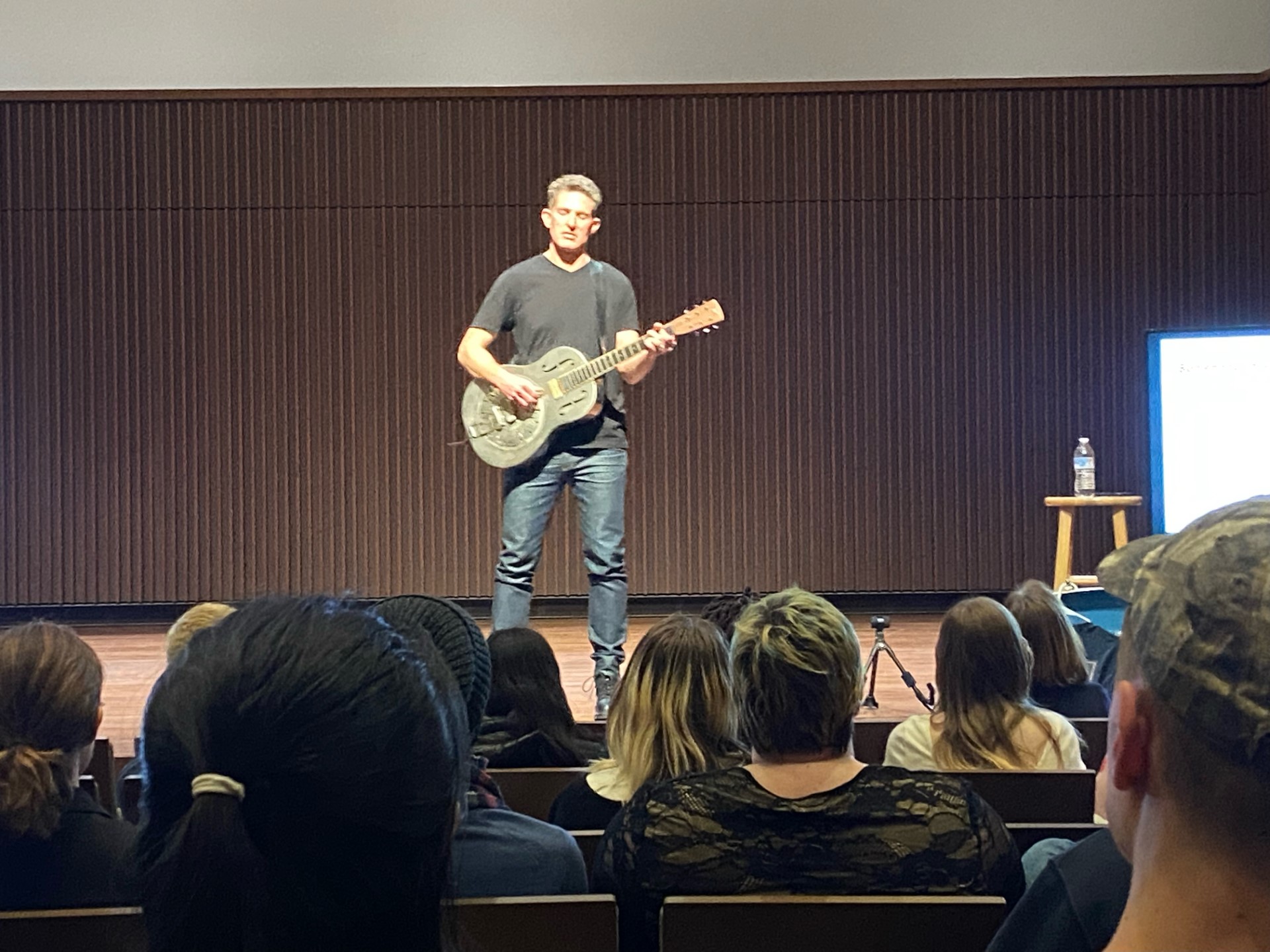
The singer/songwriter performed his original songs telling the story of Homer’s Iliad.
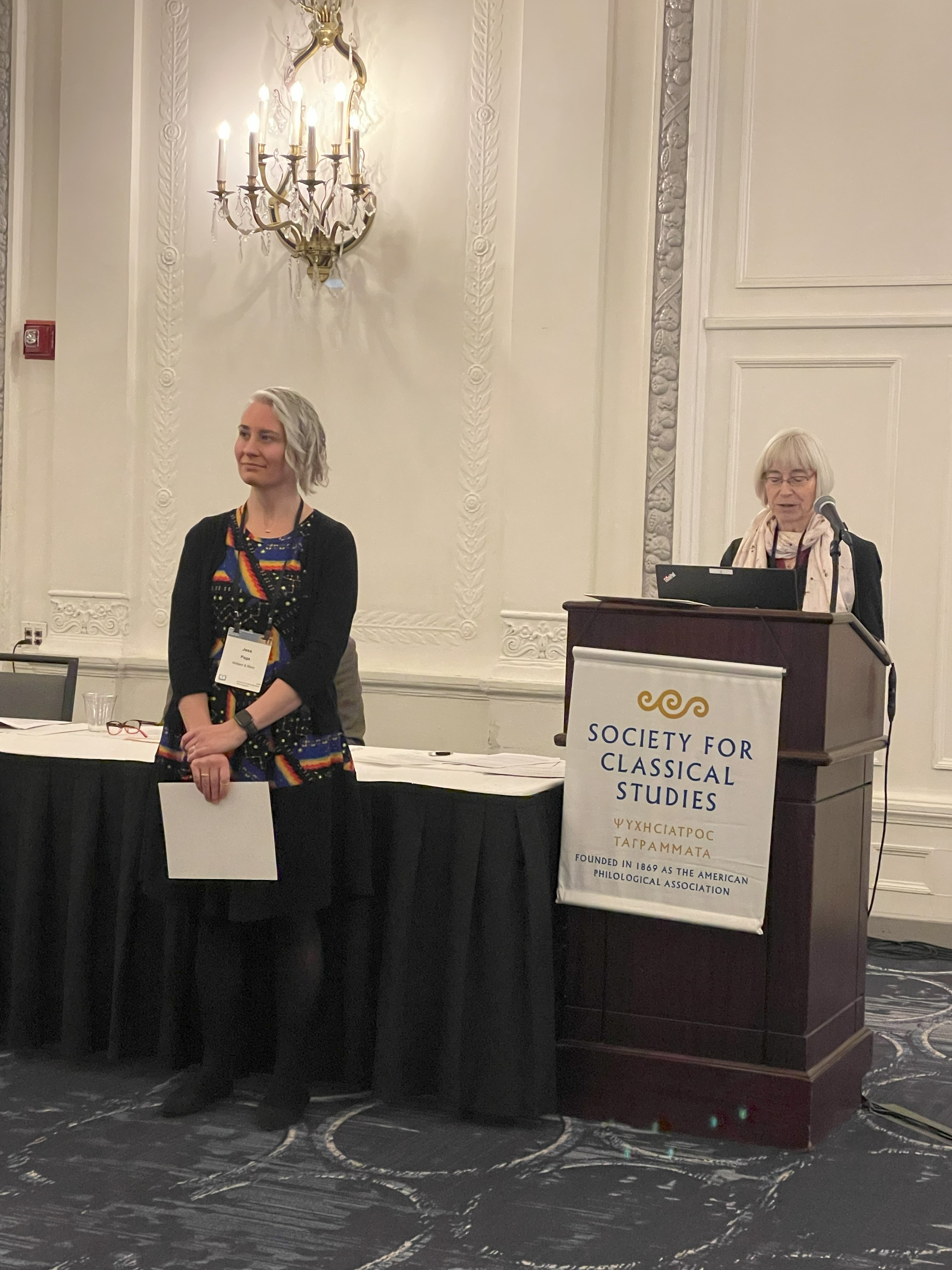
The Society for Classical Studies honored Professor Paga with their Award for Excellence in Teaching Classics at the College Level.
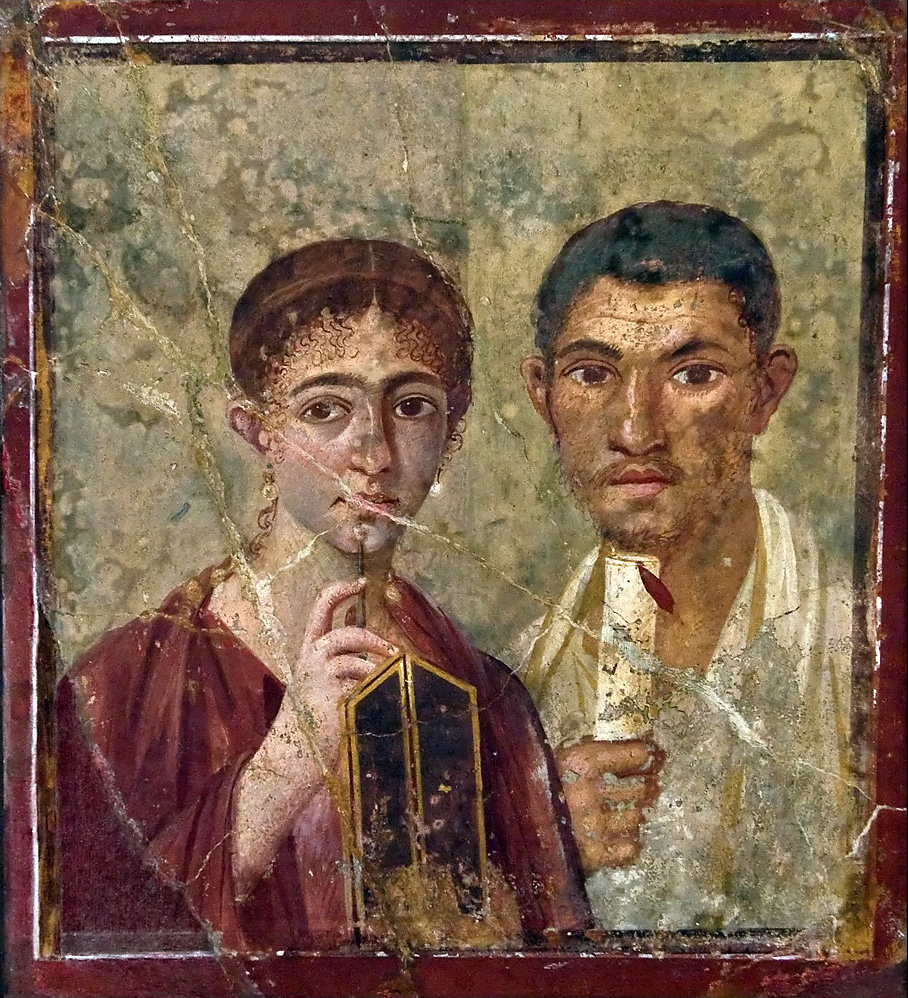
Browse the fall 2024 courses in Classical Studies!
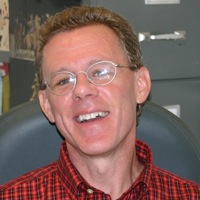
Congratulations to John Donahue, who has published a new edited volume, Brill’s Companion to Diet and Logistics in Greek and Roman Warfare.
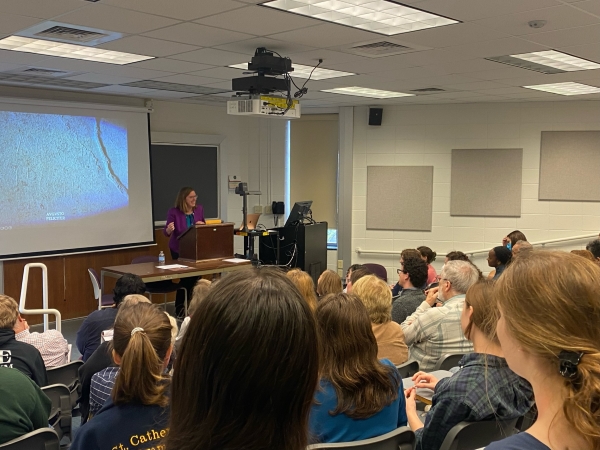
The Department of Classical Studies presented our annual Lee Lecture with guest speaker, Dr. Rebecca Benefiel of Washington & Lee University.
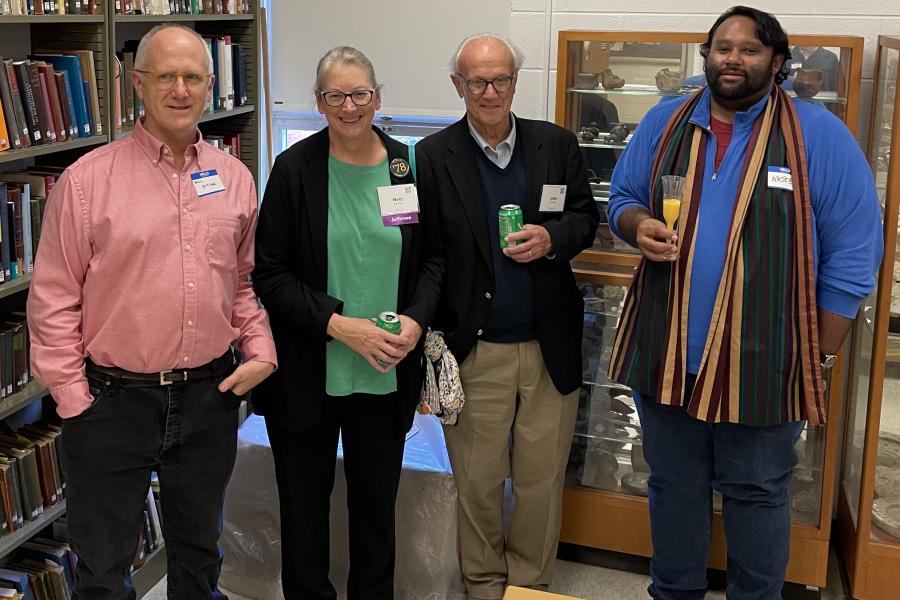
Department of Classical Studies Celebrates Another Successful Homecoming.
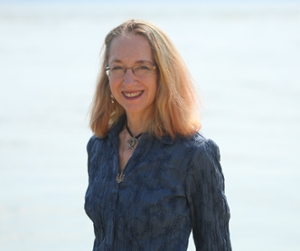
Congratulations to Georgia Irby who has won the very prestigious Loeb Classical Library Foundation Fellowship.
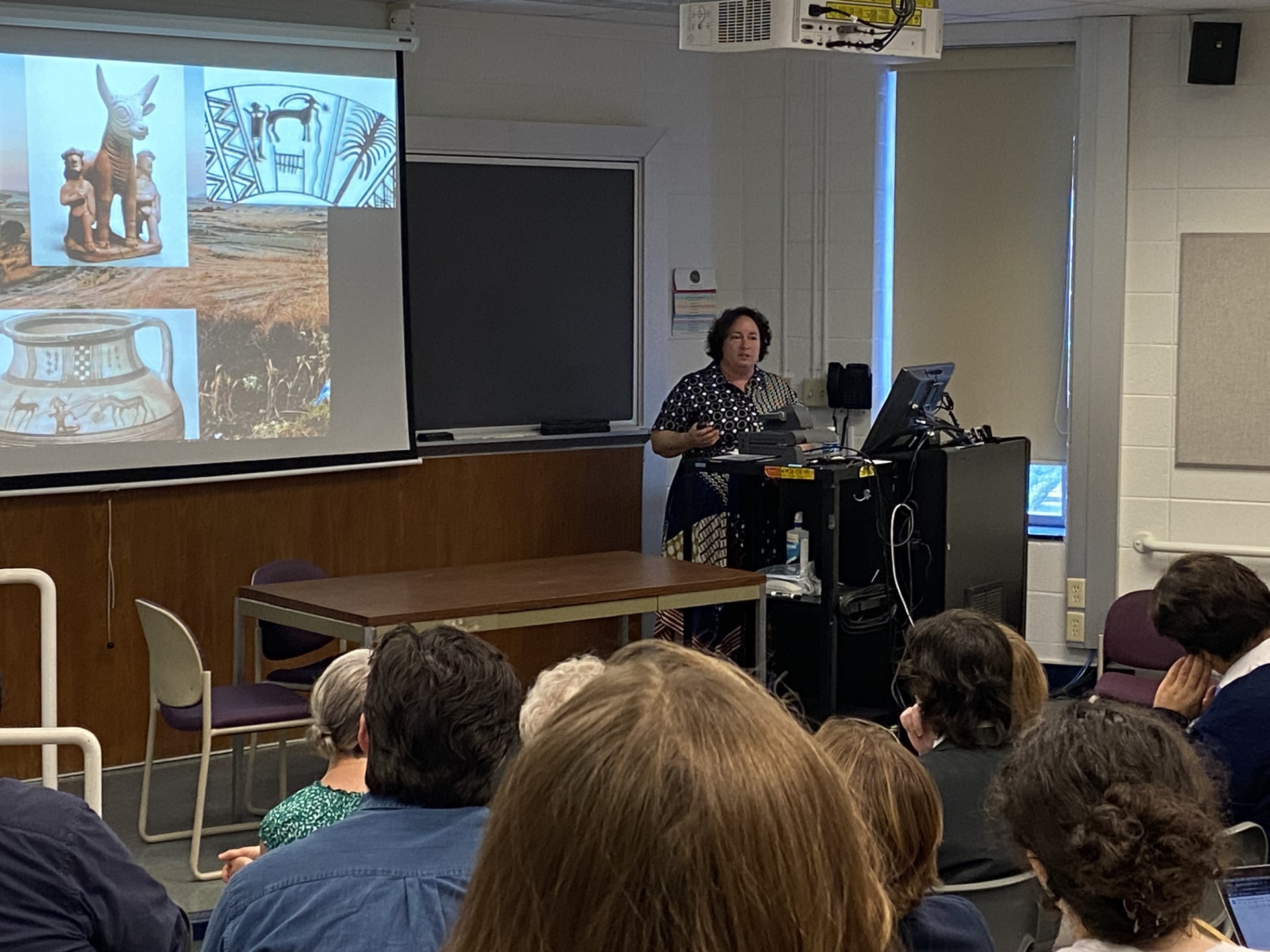
The Department of Classical Studies and the Archaeological Institute of America hosted Kathryn Grossman for her talk, “Human-Animal-Divine Relationships in Cyprus: A Social Zooarchaeology of Sacrifice.”
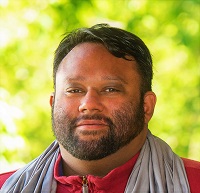
Dr. Najee Olya has joined the faculty as an assistant professor.

A new book by Professor Jessica Paga examines how the story of the birth of democracy in Athens is expressed in the architecture of the period.

Professor Mitchell Brown has won a prestigious grant from the Loeb Classical Library foundation to support his research on the stagecraft of Menander.
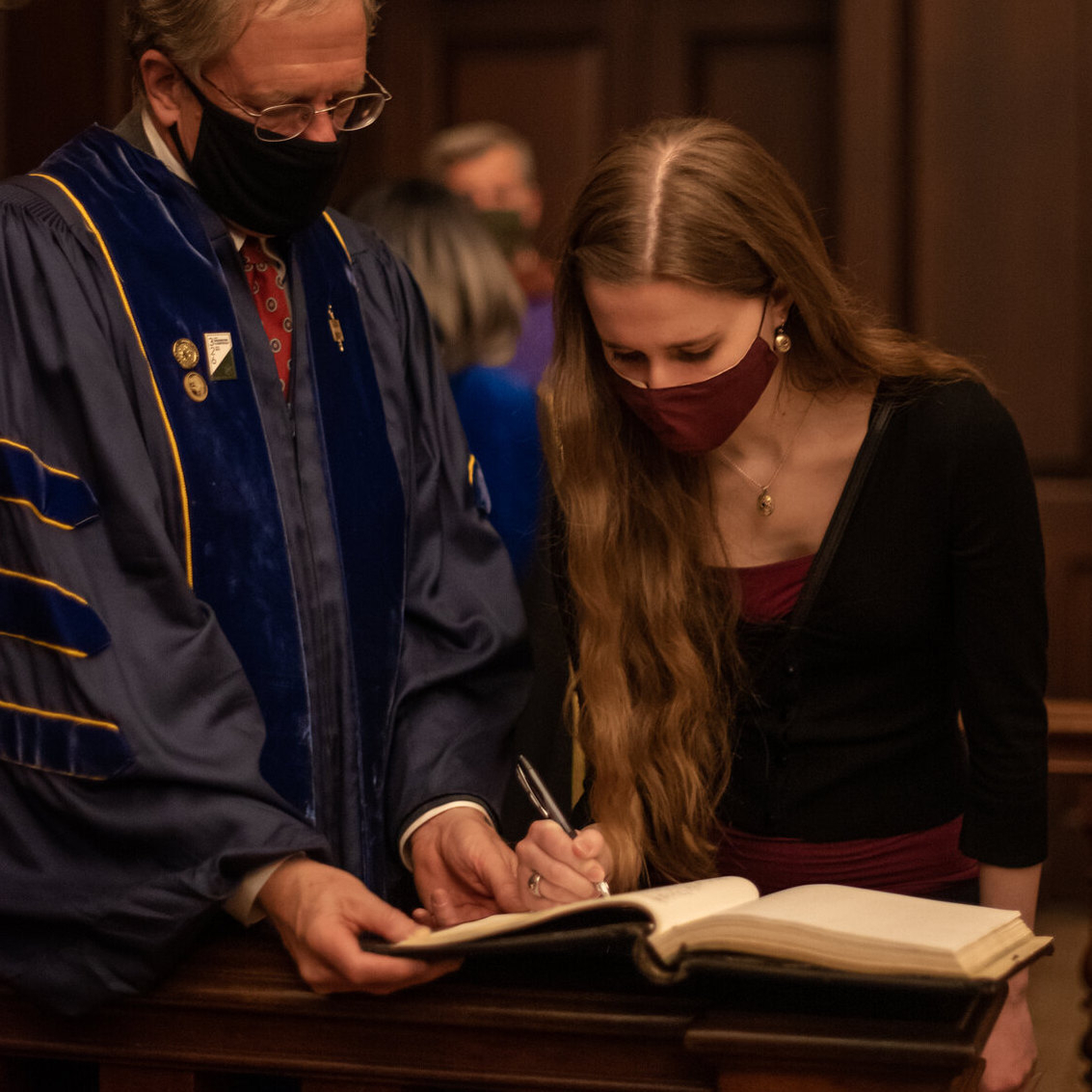
Nearly ten percent of early inductees to the Alpha chapter of Phi Beta Kappa were Classical Studies majors!
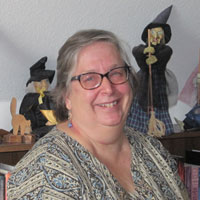
Barbette Spaeth, professor of classical studies at William & Mary, teaches and researches in the areas of ancient religion and magic. Her classes are quite popular and draw a cross-section of students across all disciplines and systems of values and beliefs.
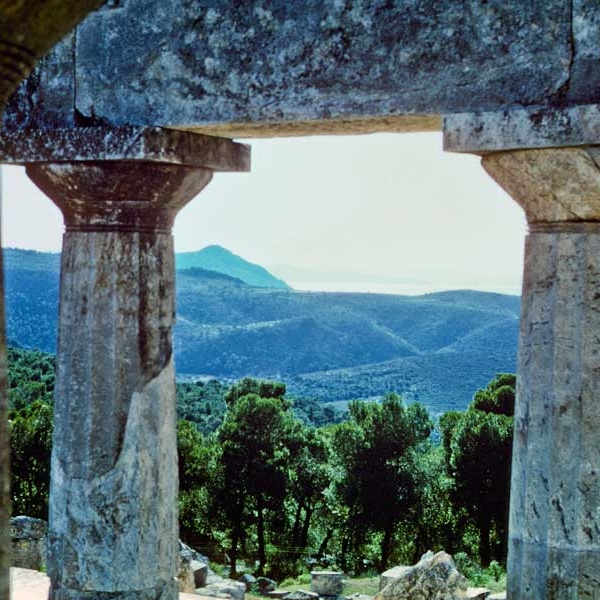
International Archaeology Day returns to W&M!
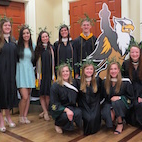
Read Department Chair Prof. Panoussi's most recent letter to alums here and find details for Homecoming!

Professor Georgia Irby has been named editor of the Classical Jounal, one of the premier scholarly jounals in our profession.
Chancellor Professor Emeritus J. Ward Jones died on Saturday, August 28, at the age of 91

Now there is an award for students who combine Classical Studies with work in STEM fields!
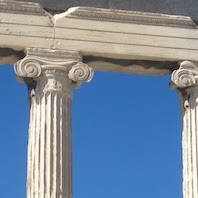
Students from Prof. Paga's course on "Classical Athens" invite you to check out their website: A Tour of Attika
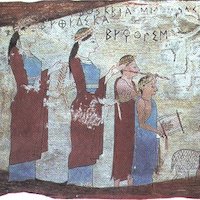
Join 11 of our graduating seniors for a public colloquium highlighting their independent research topics on the theme of "Ancient Religion." The colloquium will conclude with a keynote address -- the Oakley Lecture -- by Prof. Jessica Stephens.
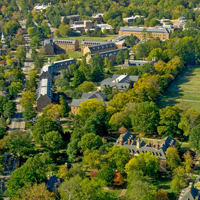
William & Mary’s Working Group on the Principles of Naming and Renaming (PNR) this week presented its final report to President Katherine A. Rowe, who accepted it during the Board of Visitors meeting Thursday in the Alumni House.
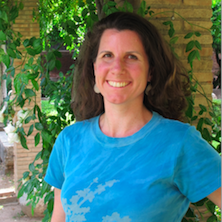
Professor Swetnam-Burland has been awarded a 2020 Collegiate Teaching Award from the Society for Classical Studies, the most prestigious teaching award for college teachers of Classical Studies in the US.

The faculty and staff of the Classical Studies department have issued a statement in response to recent racist incidents across the country.
On Saturday, May 16th, the Classical Studies class of 2020 was sent off with a on-line ceremony.

Former W&M provost Michael Halleran will return to teaching this fall as NEH Professor of Classical Studies.
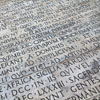
Students in W&M's intermediate and advanced Latin classes won 13 awards in the most recent National Latin Translation Exam.
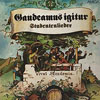
W&M undergraduate and post-baccalaureate students found extraordinary success this year in winning admission to graduate school.
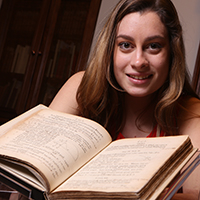
A persistent mystery surrounding one of William & Mary’s most treasured possessions apparently has been solved, by a 19-year-old sophomore.
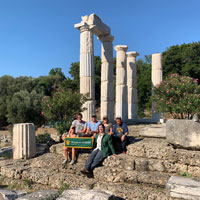
William & Mary Classical Studies Lecturer Andrew Ward and Assistant Professor Jess Paga took three students to excavate the Sanctuary of the Great Gods on the Greek island of Samothrace from June 23 through Aug. 11.
On September 21 the department hosted the first W&M Archaeology Day, at which students and faculty of several departments shared news of their research and excavations.
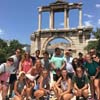
18 W&M students went to Greece for the 2019 Athens-Nafplio summer study-abroad program.

Students in the Department of Classical Studies will be organizing and presenting the first Classical Studies Colloquium designed to showcase student research in the department.

This semester Prof. Jessica Stephens of the Department of Classical Studies at W&M is offering a new course comparing ancient slavery to slavery in other places and times up to and including the current day. The course is one of the COLL 300 courses being offered on campus under the banner of the theme "Bodies that Matter".

A trip to the Virginia Museum of Fine Arts, arranged by Professors Andrew Ward and Zackary Wainer, gave W&M students a close encounter with many examples of the ancient artworks artifacts that they have been studying.
Senior Classical Studies major Nicholas Rudman tells us all about his exciting senior thesis research!